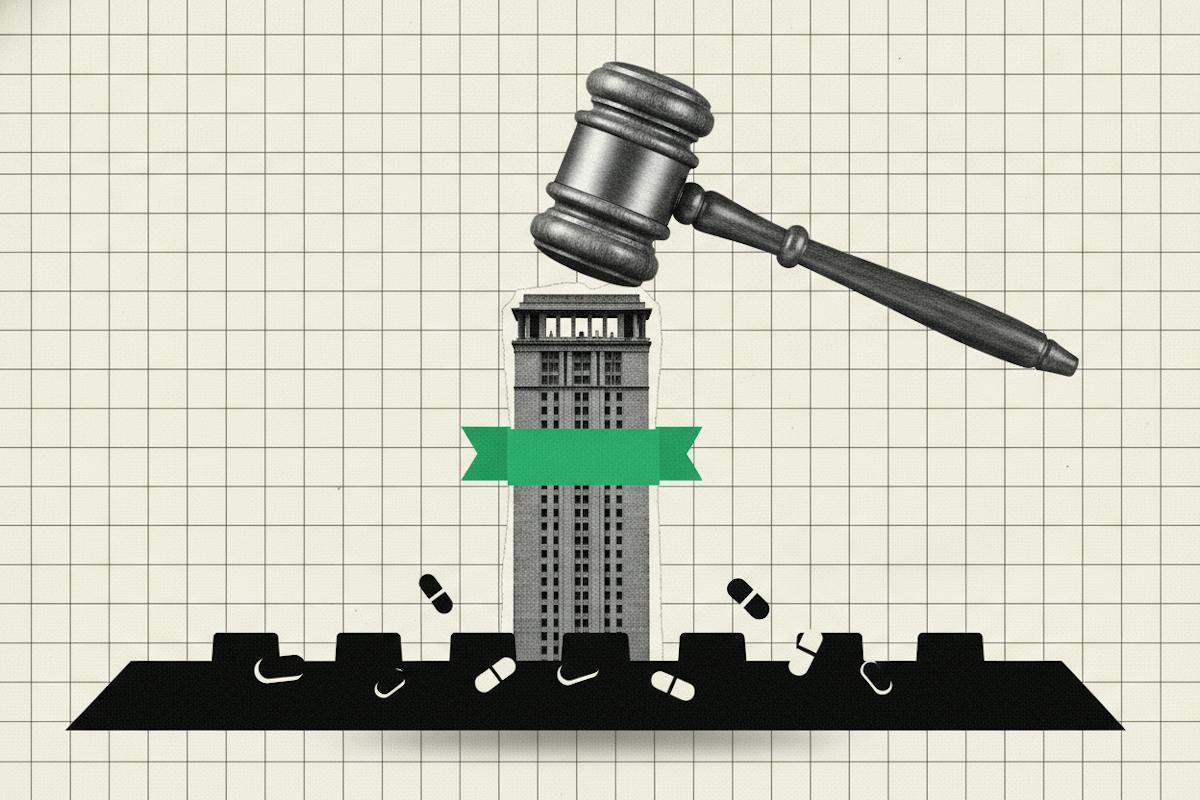
India's Tata group, one of the country's largest conglomerates, is facing a rare public boardroom battle. Tata Trusts, the group's charitable arm and biggest shareholder, has asked a Mumbai court to pause Tata Sons' board meeting scheduled for Monday, escalating a dispute over the reappointment of chairman N. Chandrasekaran and the company's early steps toward a potential listing.
The move marks a significant escalation in a governance clash at the top of the Tata empire, which spans businesses from Jaguar Land Rover to Tetley Tea. According to Reuters, Tata Sons reappointed Chandrasekaran in September, but Tata Trusts argues that the decision required sign-off from both of its nominee directors under Tata Sons' internal rules. Two of the seven Tata charities that control the group have reportedly taken the matter to court.
What's behind the dispute?
At the heart of the conflict is a disagreement over corporate governance and the balance of power between Tata Sons' board and its largest shareholder. Tata Trusts, which holds a majority stake in Tata Sons, has traditionally played a significant role in the group's leadership decisions. The charities argue that the reappointment of Chandrasekaran, who has led the group since 2017, did not follow the proper procedures outlined in the company's articles of association.
The dispute also touches on Tata Sons' plans to explore a listing. The company, which is currently unlisted, has been considering an initial public offering (IPO) as part of a broader restructuring. Tata Trusts has raised concerns about the timing and process of these plans, adding another layer of complexity to the legal challenge.
This is not the first time the Tata group has faced internal strife. In 2016, the board ousted then-chairman Cyrus Mistry, leading to a lengthy legal battle. That episode highlighted the delicate relationship between Tata Sons' management and its philanthropic shareholders, and this latest dispute echoes those tensions.
Why it matters for investors
For everyday investors, this is a story about corporate governance and its impact on shareholder value. Tata Sons is the holding company for a vast array of listed and unlisted businesses, including Tata Consultancy Services (TCS), Tata Motors, and Tata Steel. Any instability at the top of the group can ripple through these companies' stock prices.
The court's decision on whether to pause Monday's board meeting could set a precedent for how such disputes are resolved. If the meeting proceeds and Chandrasekaran's reappointment is confirmed, the group may move forward with its listing plans. If the court blocks the meeting, it could delay key decisions and create uncertainty.
Investors should watch for updates on the legal proceedings and any statements from Tata Sons or Tata Trusts. A prolonged dispute could weigh on sentiment, while a swift resolution might reassure markets. The outcome could also influence how other Indian conglomerates handle governance issues, particularly those with significant charitable or family shareholders.
For those with exposure to Tata group stocks, this is a reminder to stay informed about governance developments. While the group's businesses are diverse and generally well-managed, boardroom conflicts can create short-term volatility. As always, it's wise to focus on the long-term fundamentals of the companies you own, rather than reacting to every headline.
The broader Indian market has seen renewed interest from foreign investors recently, as noted in a report on foreign inflows. A smooth resolution of the Tata dispute could help maintain that positive sentiment, while a messy legal battle might give investors pause.
In the coming days, all eyes will be on the Mumbai court and the Tata Sons boardroom. The outcome will not only determine the immediate future of Chandrasekaran's leadership but also signal how the group navigates the delicate balance between its commercial ambitions and its philanthropic roots.