Tata Consultancy Services (TCS) CEO K Krithivasan has pushed back against fears that artificial intelligence will trigger mass job cuts at India's largest IT services company. Speaking after the firm added 9,279 net employees in its latest quarter, Krithivasan said headcount should remain broadly stable even as the company pivots its hiring toward workers with AI-native skills.
The reassurance comes at a time of heightened anxiety across the tech services industry, where many routine tasks—coding, testing, data processing—are seen as vulnerable to automation. TCS, which now employs 593,798 people, is one of the world's biggest private-sector employers, so its stance on AI and jobs carries weight far beyond India.
What the CEO Actually Said
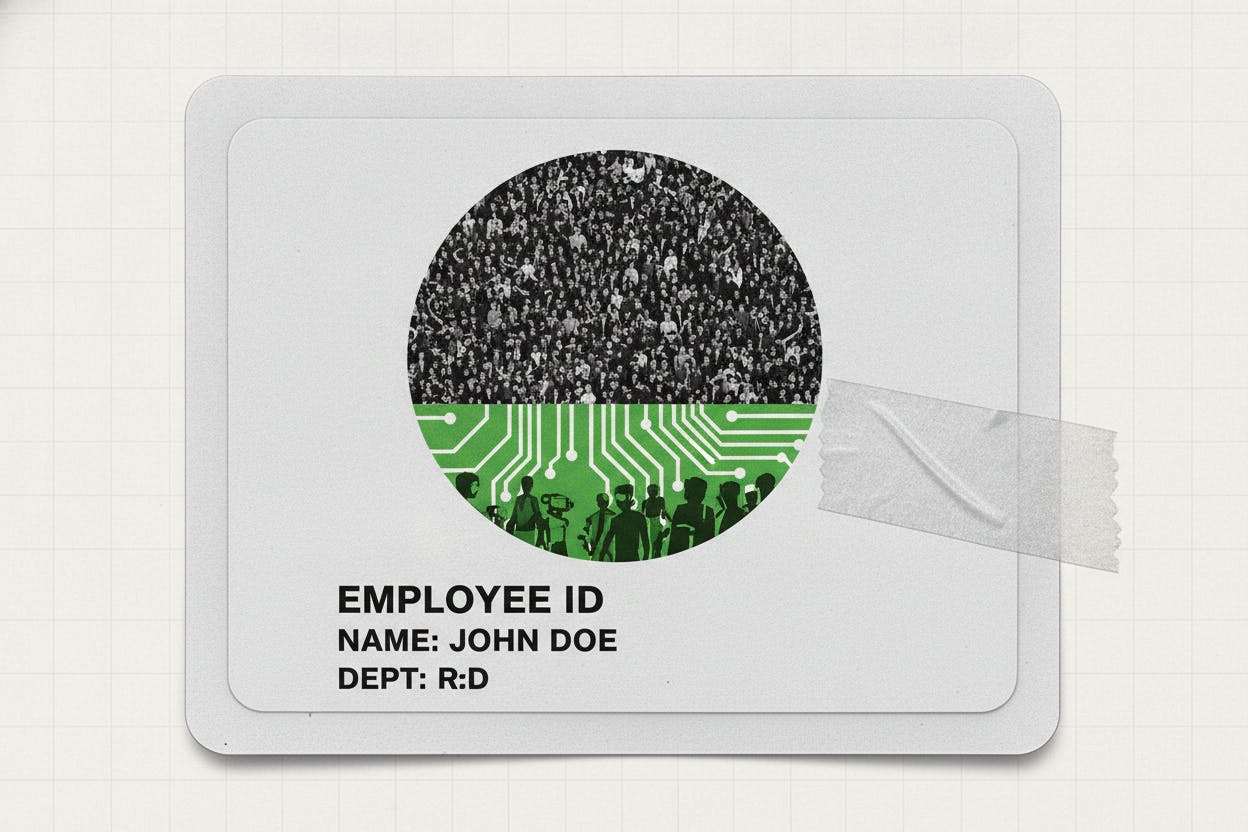
Krithivasan's message was clear: the disruption from AI is more about what people do than how many people there are. He expects the mix of roles to evolve toward AI-native skills rather than a drastic change in overall headcount. In other words, TCS plans to hire differently, not hire fewer people.
That distinction matters for a services company whose business model depends on selling human expertise. If AI reduces the need for certain types of work, TCS can retrain or redeploy staff rather than let them go. The company has a long history of investing in employee training, and Krithivasan's comments suggest that strategy will continue.
Why This Matters for Investors
For investors, the key question is whether AI will squeeze margins or boost them. If TCS can deliver more output with the same headcount, profitability could improve. But if clients start demanding AI-driven efficiencies that reduce billable hours, revenue growth could slow.
TCS recently topped revenue estimates thanks to strong banking demand and a weaker rupee, though its order book shrank. That tension—strong near-term results but a smaller pipeline of future work—is one reason investors are watching the AI impact closely.
Krithivasan's headcount pledge is a signal that TCS does not see AI as an existential threat to its workforce. But it also implies that the company expects to keep investing in people, which means cost savings from automation may be slower to materialize than some bulls hope.
The Broader AI and Jobs Debate
TCS is not alone in grappling with AI's workforce implications. Across the tech sector, companies are trying to figure out how to use AI without triggering a backlash from employees or regulators. Some firms, like Bragg Gaming, have announced layoffs explicitly tied to cost-cutting, while others are quietly shifting hiring priorities.
In the IT services space, the fear is that AI could commoditize certain skills, making it harder for firms to charge premium rates. But TCS's size and client base—largely large enterprises with complex, long-term contracts—may give it more breathing room than smaller rivals.
Meanwhile, startups are pushing the boundaries of what AI can do on consumer devices. PrismML recently shrunk a 27-billion-parameter AI model to fit on an iPhone, a development that caught Apple's attention. That kind of progress could eventually reduce demand for cloud-based IT services, but for now, TCS's core business remains tied to helping clients manage their existing systems.
What to Watch Next
Investors should keep an eye on TCS's hiring mix in coming quarters. If the company starts reporting a higher share of AI-related roles and a lower share of traditional IT jobs, that will confirm the shift Krithivasan described. Also watch for any changes in employee attrition rates—if AI makes work more interesting, retention could improve, which would be a positive for margins.
TCS's next earnings report will provide more detail on how the AI transition is affecting revenue per employee and client spending. For now, the message from the top is that AI will reshape the workforce, not shrink it.