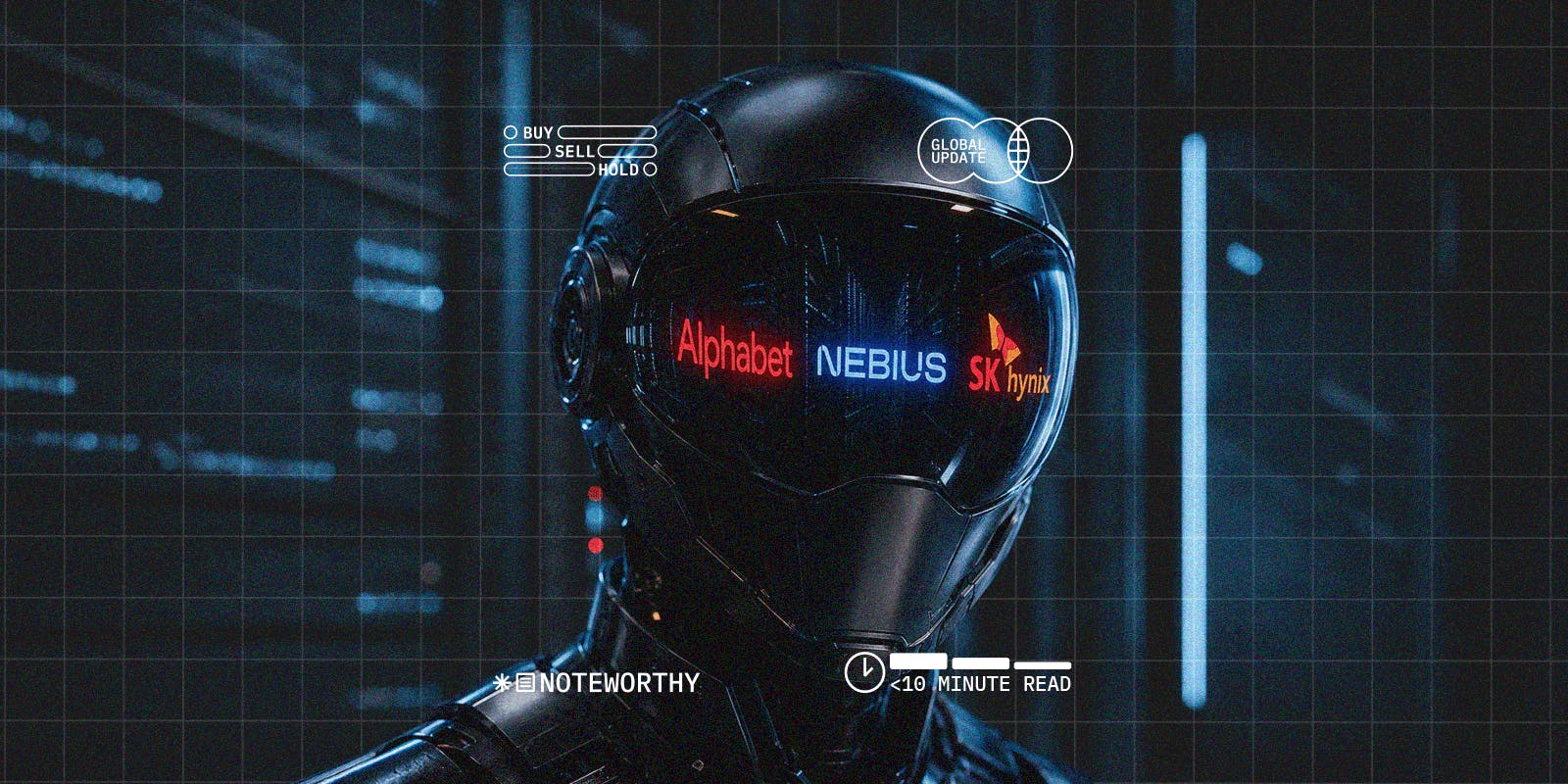
The rotation away from big tech stocks is picking up speed, and even some of the market's highest-quality names are getting caught in the downdraft. Investors, once willing to reward any company with an AI story, are now demanding something more concrete: proof that all that spending will eventually turn into profit.
This shift has been building for weeks, but it accelerated after recent earnings reports from major tech firms. As Alphabet's AI spending spooked global tech investors, the selloff spread beyond the usual suspects. Even companies with strong fundamentals and dominant market positions have seen their shares slide.
Why the mood has changed
The logic behind the rotation is straightforward. For much of the past year, investors piled into any stock with an AI angle, betting that the technology would transform industries and deliver huge returns. But as capital expenditure figures have climbed—especially at giants like Alphabet, Microsoft, and Amazon—the question has shifted from "how much are they spending?" to "when will they make money from it?"
That's a harder question to answer. Many AI projects are still in early stages, and the payoff timeline remains uncertain. As a result, investors are becoming more selective. They're no longer willing to reward companies simply for writing big checks to build data centers or buy advanced chips. They want to see revenue growth, margin improvement, or at least a credible path to profitability.
This is a classic sign of a maturing investment theme. Early in a hype cycle, the market rewards vision and spending. Later, it demands results. We're now firmly in the latter phase.
Who's still in favor, and who's out
Not all AI-linked stocks are being treated equally. Some companies are still seen as well-positioned, either because they have a clearer monetization strategy or because they play a critical role in the AI supply chain. For example, SK Hynix, a key memory chip maker, is exploring US production to meet demand for high-bandwidth memory used in AI servers. That kind of tangible, infrastructure-focused play still attracts investor interest.
On the other hand, companies that are spending heavily on AI without a clear revenue story are falling out of favor. The market is also watching newer entrants, like Nebius, a cloud and AI infrastructure firm, and humanoid robotics startups, which are still largely pre-revenue. These names are more vulnerable to the shift in sentiment.
As Wall Street pulled back amid AI spending concerns, the rotation has broadened. Money is flowing into sectors that had been overlooked during the tech rally—industrials, financials, energy, and smaller-cap stocks. This is a healthy development for the overall market, reducing the concentration risk that had built up in a handful of mega-cap tech names.
What it means for everyday investors
For ordinary investors, this rotation is a reminder that no trend lasts forever. The AI boom isn't over, but the easy money phase may be. Going forward, stock picking will matter more. Companies that can show real progress in turning AI investment into revenue and profit are likely to outperform those that can't.
It also underscores the importance of diversification. If your portfolio has been heavy on big tech and AI stocks, this is a good time to check your exposure. The broader market is offering opportunities in areas that had been left behind.
Investors should also pay attention to earnings calls and guidance. The companies that will thrive in this new phase are those that can articulate a clear business case for their AI spending—not just a vision, but a plan with measurable milestones.
As the rotation continues, the key question will be whether the selloff in tech is a temporary correction or the start of a longer-term shift. For now, the market is sending a clear signal: show me the money.



