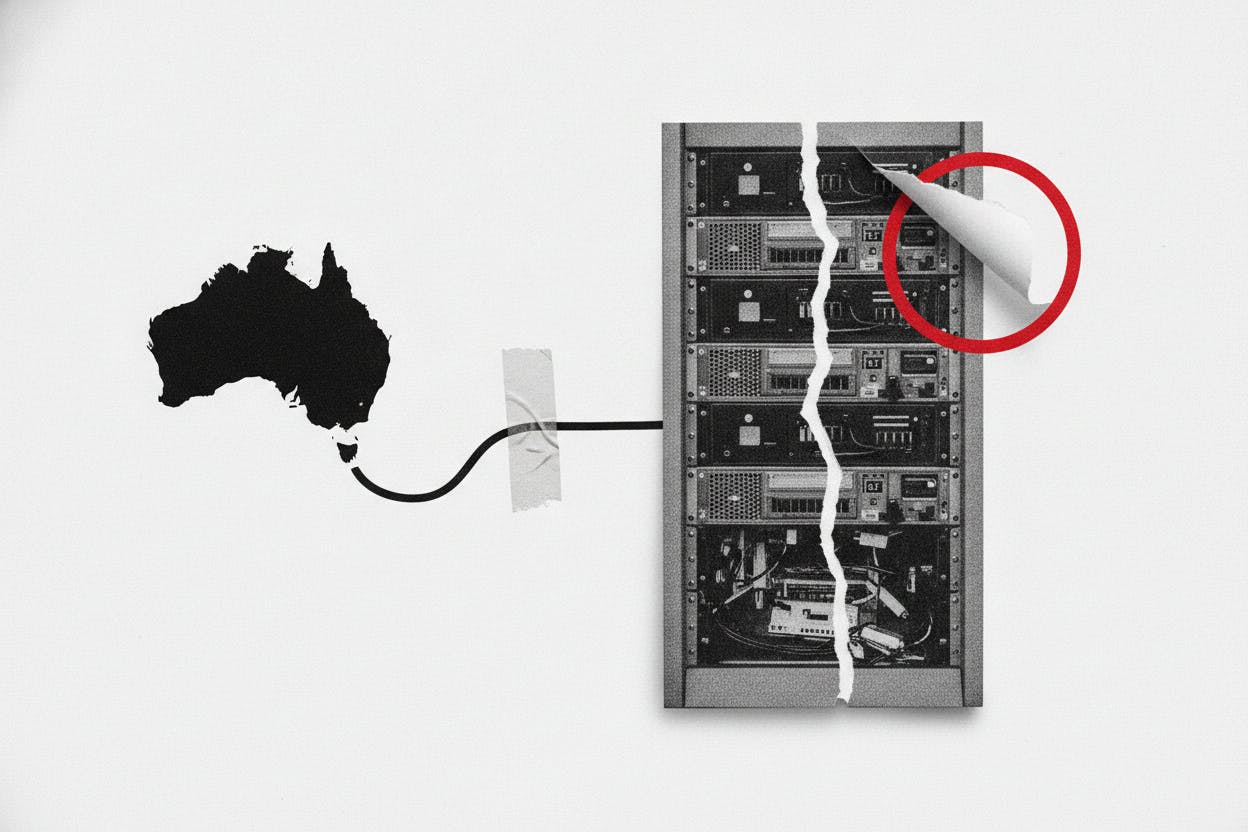
Telstra CEO Vicky Brady has told a Senate committee that the recent failure of Australia's triple-zero emergency service could have been avoided if the company had installed a critical software patch and properly documented a server design change. The admission comes as the country's largest telecommunications provider faces intense scrutiny over a network outage that left many Australians unable to reach emergency services.
What went wrong?
Appearing before senators, Brady pointed to two specific failures. First, a server design change at a Telstra facility in Melbourne was not recorded in maintenance instructions. Second, a software update that the company had been warned about as far back as 2022—and reminded about again in January—was overdue. When hardware was later replaced on that Melbourne server, staff followed procedures that did not account for the undocumented change, triggering the outage.
Brady described the incident as a preventable breakdown in internal processes. The missed patch and lack of documentation created a vulnerability that, when combined with routine maintenance, caused the emergency call system to fail.
Compensation claims mount
So far, more than 8,000 compensation claims have been filed by individuals and businesses affected by the outage. Telstra has set up a dedicated team to handle claims, but the total payout could be significant. The company has not yet disclosed an estimated cost, but analysts will be watching for any impact on Telstra's earnings when it next reports.
The outage has also drawn attention from regulators. The Australian Communications and Media Authority (ACMA) is conducting its own investigation, and the Senate committee hearing is part of a broader parliamentary inquiry into the reliability of critical communications infrastructure.
What it means for investors
For Telstra shareholders, the immediate concern is financial. Compensation claims and potential regulatory fines could weigh on the company's bottom line. However, the bigger risk may be reputational. Telstra is a dominant player in Australian telecoms, and its network is relied upon for emergency services. Any perception that it has cut corners on maintenance could erode customer trust and invite closer regulatory oversight.
Investors should also consider the broader context. Telstra has been investing heavily in its network, including 5G rollout and digital upgrades. The outage highlights the risks that come with complex legacy systems and the importance of rigorous change management. Companies in similar positions across the telecom sector often face increased capital expenditure requirements after such incidents, as they work to prevent recurrence.
That said, Telstra remains a key holding for many Australian investors, and its dividend yield is attractive. The stock's reaction to the outage has been relatively muted so far, suggesting the market is waiting for more clarity on costs and regulatory outcomes.
Broader market context
The Telstra outage is a reminder that infrastructure failures can happen even at well-established companies. For investors, it underscores the value of looking beyond headline earnings to operational risk factors. In the energy sector, for example, similar maintenance lapses have led to production outages and share price volatility, as seen in recent aluminum price moves after refinery restarts.
Meanwhile, the tech sector continues to grapple with its own challenges, from chip supply chains to software reliability. The recent selloff in Asian chip stocks shows how quickly market sentiment can shift on operational news.
What to watch next
Investors should monitor several developments. The ACMA investigation could result in fines or enforceable undertakings that require Telstra to upgrade its systems. The Senate inquiry may also recommend legislative changes that increase compliance costs for telecom companies. Additionally, the pace and volume of compensation claims will give a clearer picture of the financial hit.
Telstra's next earnings report will be closely watched for any guidance on these costs. For now, the company is focused on restoring confidence and ensuring that the missed patch and undocumented change are not repeated.