Ternium, a major Latin American steelmaker, reported a sharp rise in second-quarter profit, driven by robust demand and pricing in its key Mexican market. Net income climbed about 80% year over year to $465 million, the company said, as stronger shipments and improved profit margins more than offset cost pressures.
The results underscore how quickly steel earnings can swing when volumes and prices move in the same direction. Net sales rose 10% to $4.34 billion, while adjusted EBITDA—a cash-earnings measure before interest, taxes, depreciation, and amortization—surged 78% to $717 million. The company said it expects that momentum to continue, with stronger shipments and pricing likely to lift EBITDA again in the third quarter.
Mexico remains the engine
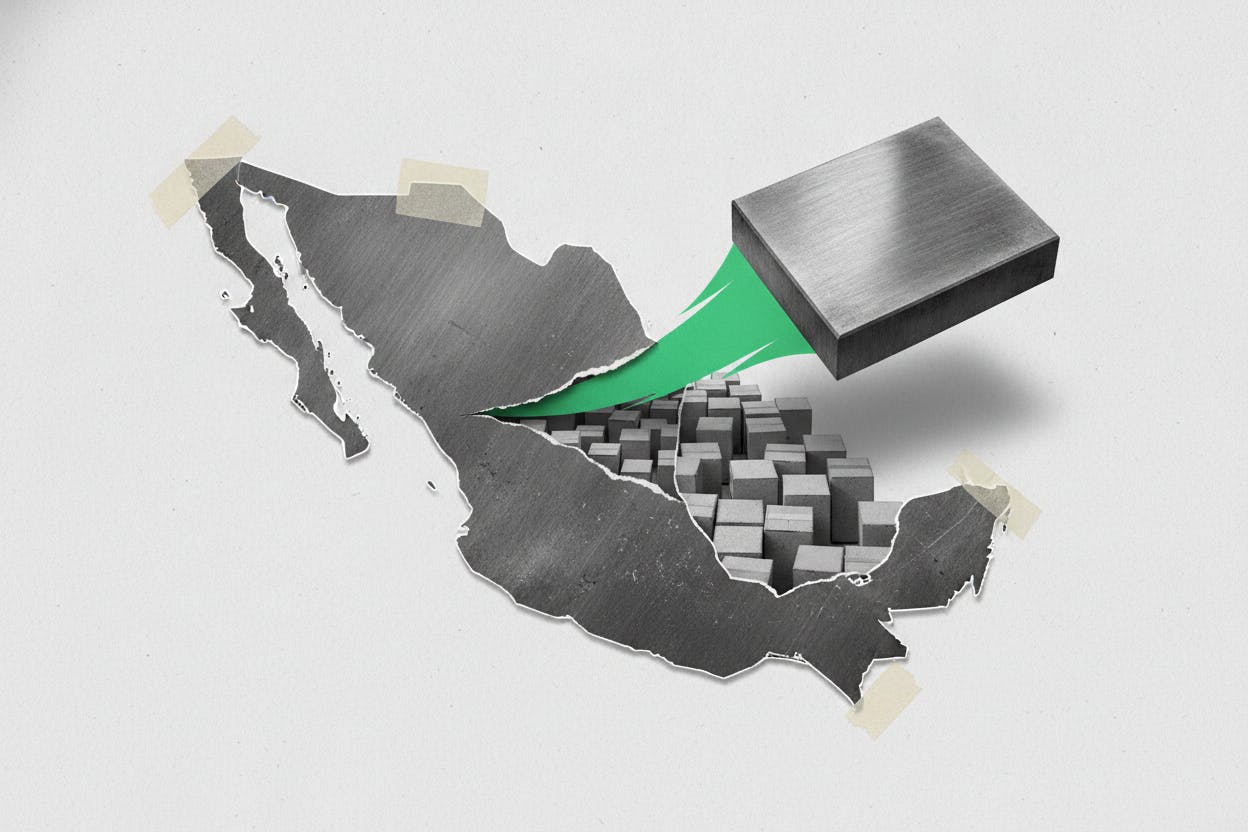
Ternium generates a large share of its revenue from Mexico, where industrial activity and construction have remained resilient. The country's manufacturing sector, particularly automotive and appliances, has been a steady consumer of steel, and Ternium has invested heavily in local capacity to serve that demand.
The company's performance in Mexico is part of a broader regional story. Latin American markets have been mixed recently, with currencies slipping in some countries while stocks edge higher. But for Ternium, the Mexican tailwinds have been powerful enough to lift overall results.
Analysts note that steelmakers often benefit when economies recover and infrastructure spending picks up. Mexico's government has pushed major infrastructure projects, and nearshoring trends—where companies move production closer to the U.S. market—have boosted demand for industrial materials. Mexico's mining sector is also planning a rebound in investment, which could support broader industrial activity.
What the numbers mean
For everyday investors, the key takeaway is that Ternium's earnings are highly sensitive to the steel cycle. When demand is strong and prices are high, profits can expand quickly, as seen in the 80% jump in net income. But the reverse is also true—when steel prices fall or demand weakens, margins can compress just as fast.
The company's outlook for the third quarter suggests management sees continued strength. Higher shipments and better pricing are expected to push EBITDA higher again, which would mark another solid quarter for the steelmaker. However, investors should be aware that steel prices are volatile and can be influenced by global factors such as Chinese demand, trade policies, and energy costs.
Ternium's performance also highlights the importance of regional exposure. While some steelmakers rely heavily on China or Europe, Ternium's focus on Mexico and Latin America has provided a buffer. The company's ability to pass on higher costs to customers has been a key driver of its margin expansion.
What it means for investors
For those holding Ternium shares, the strong quarter is a positive sign, but it's worth remembering that steel is a cyclical business. The company's profits are tied to the health of the industrial economy, and any slowdown in Mexico or a drop in steel prices could quickly reverse the gains.
Investors should also watch how Ternium manages its capital. The company has been investing in new capacity, and those projects could pay off if demand remains strong. But if the cycle turns, heavy capital spending could strain cash flow.
The broader context is also important. Banks like HSBC have posted strong profits on higher interest rates, but industrial companies like Ternium are more directly tied to the real economy. When factories are running and construction is booming, steelmakers thrive. That's what happened in the second quarter, and the company expects more of the same in the third.
For now, Ternium's story is one of momentum. The company is riding a wave of strong demand in Mexico, and its guidance suggests the wave hasn't crested yet. But investors should keep an eye on the factors that could change the tide—global steel prices, trade tensions, and the pace of economic growth in the region.