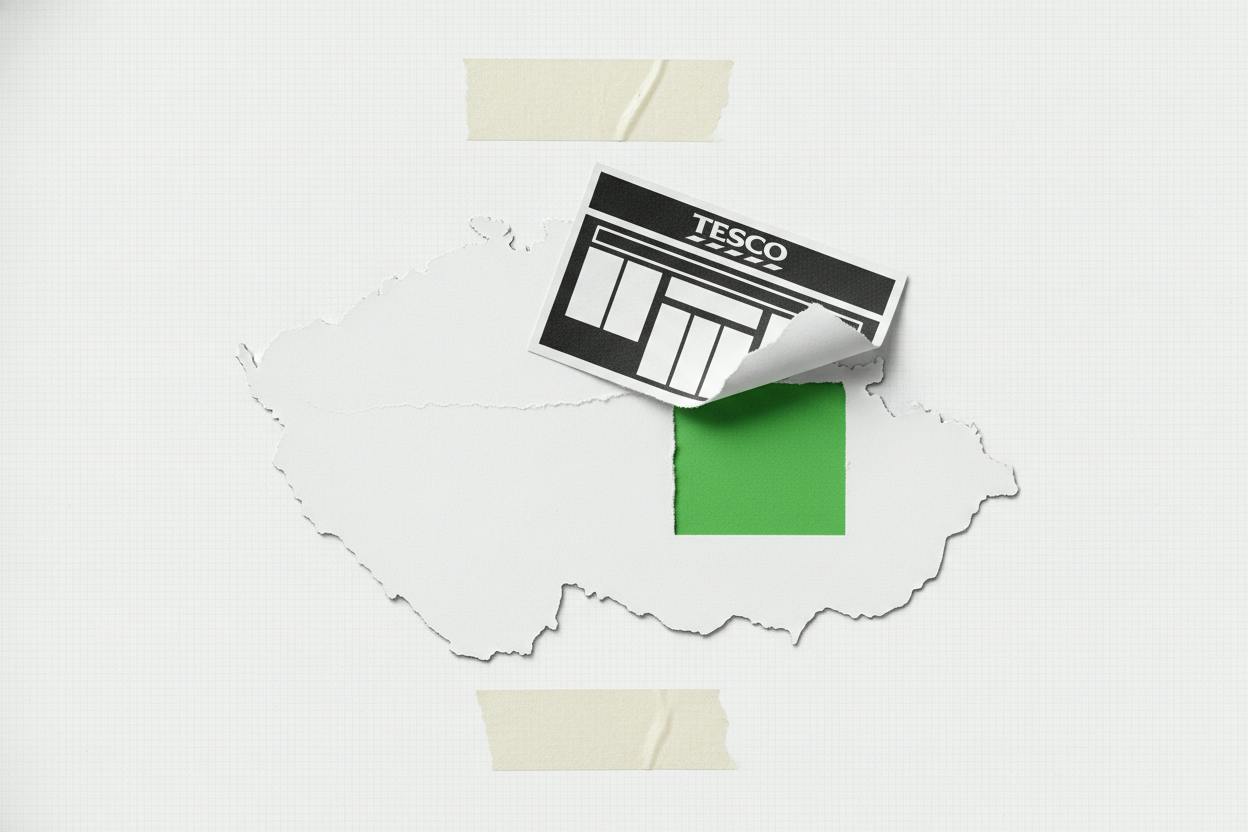
Tesco, the UK's largest supermarket chain, has agreed to sell its operations in the Czech Republic and Slovakia to Dutch grocery group Ahold Delhaize. The deal, valued at €1.7 billion on an enterprise basis, includes stores, offices, and three distribution centers. Tesco says the sale will generate roughly €1.2 billion in net cash proceeds before taxes and transaction costs, and it plans to return most of that money to shareholders through an additional share buyback once the deal closes.
The transaction is another step in Tesco's long-running retreat from international markets. Over the past decade, the company has sold off businesses in countries like China, Poland, and Turkey, focusing instead on its core UK and Irish operations, where it generates the bulk of its profits. Central Europe was one of its last significant overseas footprints, so this sale marks a major milestone in that strategy.
What the deal means for Tesco
For Tesco, the sale is primarily a capital-return story. The company has been returning cash to shareholders through buybacks for several years, and this deal provides another chunk of money to do so. Tesco expects the sale and the subsequent buyback to be broadly neutral to earnings per share and its leverage ratio after the buyback is completed.
That neutrality is key. Selling a profitable business usually reduces total earnings, but if the company uses the proceeds to buy back its own shares, the remaining profit is divided among fewer shares. That can keep earnings per share steady, which is what Tesco is signaling. It's a way to reward shareholders without fundamentally changing the company's underlying profitability or balance sheet.
The difference between the €1.7 billion enterprise value and the €1.2 billion net cash proceeds is also worth noting. Enterprise value includes things like debt, leases, and working capital adjustments, so the headline number doesn't translate directly into cash available for buybacks. Taxes and transaction costs will also eat into the final amount.
What it means for Ahold Delhaize
For Ahold Delhaize, the acquisition is about scale. The company already operates the Albert supermarket chain in the Czech Republic, and adding Tesco's stores and logistics network will significantly expand its local presence. In the competitive European grocery market, bigger often means better bargaining power with suppliers and more efficient distribution.
The deal also fits Ahold's broader strategy of strengthening its position in markets where it already has a foothold, rather than entering new ones. The company has been active in Europe and the US, and this purchase deepens its Central European footprint.
What investors should watch
For everyday investors, the main takeaway is that Tesco is returning cash to shareholders, but the timing is far off. Completion is targeted for the second half of 2027, so the buyback won't happen for a while. The size and timing could still shift as final terms are negotiated, taxes are calculated, and regulatory approvals are obtained.
Investors should also note that Tesco's Hungary business is not part of this deal. The company says it will review options for that unit separately, which could mean another sale down the road. That's something to keep an eye on.
This deal is part of a broader trend of companies using asset sales to fund shareholder returns. For example, Shell recently boosted its buyback program after a strong profit year, and private equity firms are also active in taking companies private. In the grocery space, DoorDash's acquisition of Instacart shows how the sector is evolving.
For Tesco shareholders, the key question is whether the buyback will be enough to offset the loss of earnings from the sold businesses. The company says it will be broadly neutral, but that depends on the final cash proceeds and the price at which shares are repurchased. If the buyback is executed at a higher share price, fewer shares will be retired, which could dilute the per-share benefit.
Overall, this deal is a clear signal that Tesco is focused on returning cash to investors rather than pursuing growth in new markets. It's a strategy that has been popular with shareholders, but it also means the company is shrinking its international footprint. For investors, it's a reminder that not all corporate actions are about growth—some are about efficiency and capital allocation.
As the deal progresses, watch for updates on regulatory approvals and any changes to the expected cash proceeds. The second half of 2027 may seem far away, but for a transaction of this size, it's not unusual. In the meantime, Tesco's focus on the UK and Ireland will likely remain the main driver of its stock performance.