Teva Pharmaceutical Industries reported second-quarter results that fell well short of Wall Street expectations, highlighting the bumpy road the Israeli drugmaker faces as it tries to pivot from its legacy generics business toward higher-margin branded drugs.
The company posted adjusted earnings of just 2 cents per share for the April-to-June period, down sharply from 66 cents a year earlier and far below the 27-cent average estimate from analysts. Revenue of $4.1 billion came in slightly above forecasts, but the profit miss overshadowed the top-line beat.
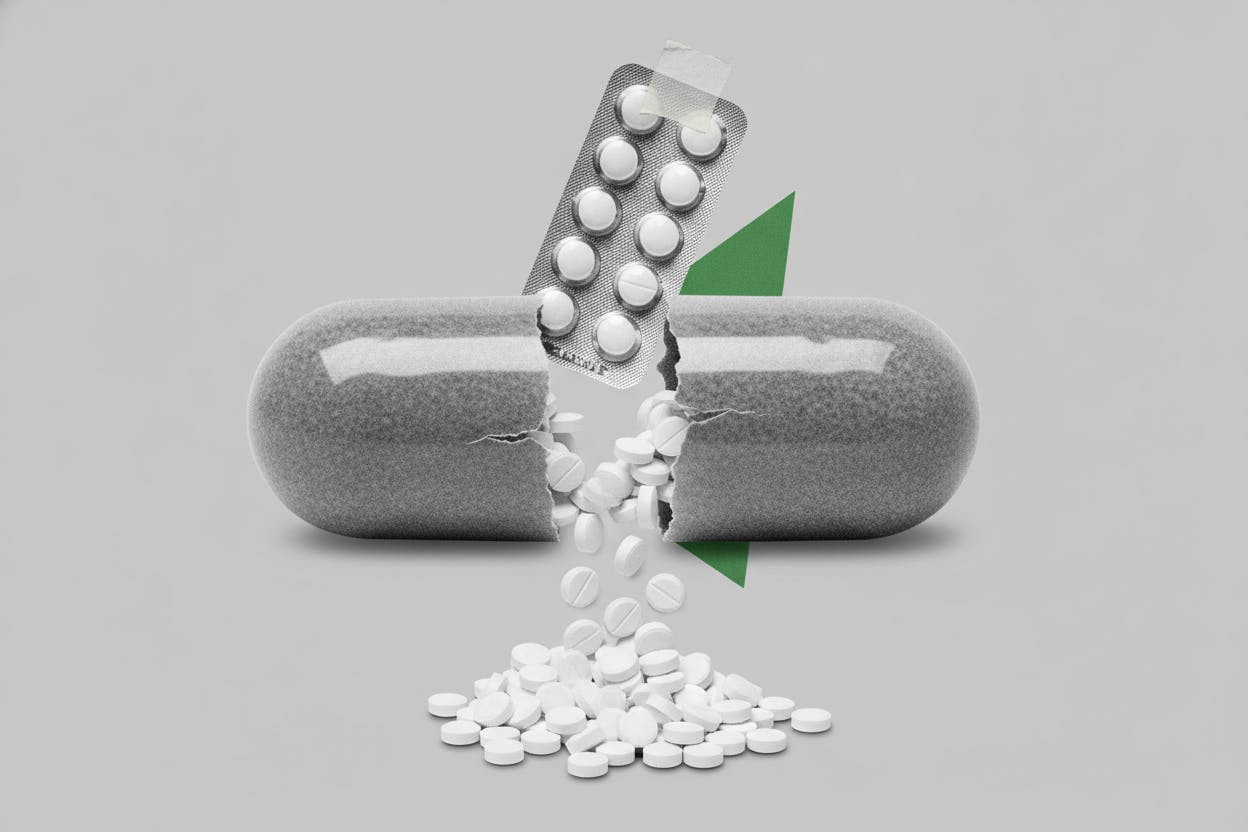
Management pointed to two main culprits: weaker-than-expected sales of generic drugs, including a key copycat version of the cancer drug Revlimid, and rising costs tied to the company's June acquisition of Emalex Biosciences for more than $700 million. The deal, which gives Teva a potential treatment for Tourette syndrome, is expected to drag on earnings per share until at least 2028.
A generics giant trying to reinvent itself
Teva has long been one of the world's largest manufacturers of generic drugs, but that business has come under pressure in recent years from intense competition, price erosion in the U.S. market, and the loss of exclusivity on certain high-value generics. The company's strategic answer has been to invest more heavily in branded drugs, where margins are typically higher and pricing power is stronger.
The Emalex deal is the latest example of that push. But it also illustrates the trade-off: acquisitions and R&D spending can depress near-term profits even as they lay the groundwork for future growth. For Teva, the payoff from Emalex is still years away, and investors are being asked to be patient.
The company's generics business, meanwhile, continues to face headwinds. The Revlimid generic, which Teva launched in 2022, was expected to be a major revenue driver, but sales have been volatile as other generic competitors have entered the market and pricing has come under pressure.
What it means for investors
For everyday investors, Teva's quarter is a reminder that corporate turnarounds rarely follow a straight line. The company is making a deliberate bet that branded drugs will eventually deliver stronger and more predictable profits, but the transition period can be messy.
Investors should watch a few key things in the coming quarters. First, how quickly Teva can stabilize its generics revenue, especially for high-profile products like the Revlimid copy. Second, whether the Emalex acquisition and other pipeline investments start to show clinical or regulatory progress that could shorten the timeline to profitability. Third, the company's debt load, which remains elevated after years of acquisitions and legal settlements.
Teva's stock has historically been volatile, and the profit miss could add to near-term pressure. But the company's branded drug pipeline, including treatments for migraine and Huntington's disease, offers potential upside if development milestones are met.
For context, other companies navigating similar transitions have also faced lumpy earnings. Smurfit Westrock recently cut its profit forecast as freight costs climbed, showing how external factors can complicate a company's strategic shift. And Verisk saw profits dip on higher costs even as demand for its core data products remained strong, a pattern not unlike Teva's situation.
Ultimately, Teva's story is one of a company in transition. The generics slump is real, but so is the branded drug push. Investors will need to weigh the near-term pain against the longer-term potential, keeping in mind that the Emalex deal won't contribute to earnings for several years.
As always, diversification matters. A single stock like Teva can be a high-risk, high-reward bet, and its fortunes are tied to drug approvals, patent battles, and competitive dynamics that are hard to predict. For most investors, a broad-based approach to the healthcare sector may be a more comfortable way to gain exposure to the pharmaceutical industry's long-term growth.