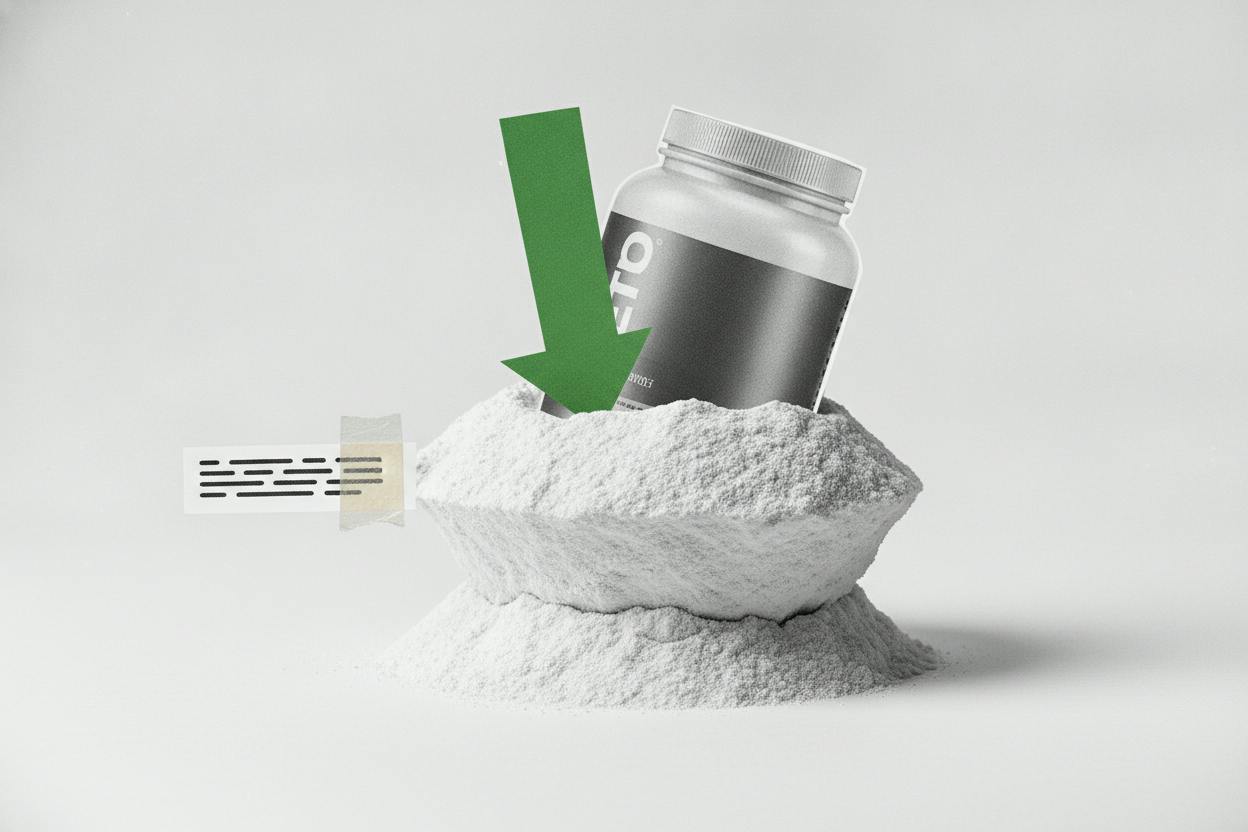
British e-commerce group THG has told investors it expects adjusted core profit of £103 million in 2026, a figure that leans on two things: steady demand for its sports nutrition products and a cheaper bill for whey protein, a key ingredient in protein powders.
The guidance, issued alongside third-quarter numbers, comes as the company tries to convince the market that its turnaround is on track. THG, which owns beauty and nutrition brands and runs a technology platform for other retailers, has spent years simplifying its structure and cutting costs. Now it is pointing to a specific profit milestone two years out.
Nutrition is doing the heavy lifting
THG's nutrition division, which sells protein shakes, supplements and sports nutrition under brands like Myprotein, grew 5.3% in the third quarter to £152.4 million. That stands out against the wider group: total revenue rose just 1.5% to £408.8 million over the same period.
The contrast matters. While the broader business is growing only modestly, nutrition is expanding at a faster clip, and it is also the part of THG most exposed to whey costs. Whey is a by-product of cheese-making, and its price swings with dairy supply and demand. When dairy markets are tight, whey gets more expensive; when supply loosens, costs can fall quickly.
Management's £103 million target for 2026 adjusted core profit is slightly above the analyst consensus the company itself cited. That suggests THG believes it can do a little better than the street expects, but the gap is narrow. The forecast is not a dramatic beat; it is more a statement of confidence that the pieces are in place.
Why whey matters to THG's numbers
For a company like THG, input costs are a big swing factor. Protein powders are a competitive market, and brands often find it hard to pass on higher ingredient costs to consumers without losing sales. When whey prices fall, margins can expand even if revenue stays flat.
The company is effectively saying that its 2026 profit will be helped by an easier cost backdrop as much as by growth. That is a common theme across consumer goods businesses: after a period of high inflation, many are now seeing raw material costs ease, which can boost profitability without requiring aggressive price increases.
Investors will be watching whether that cost relief actually shows up in the numbers. Whey prices have been volatile in recent years, and forecasting them two years out is tricky. If dairy markets tighten again, THG's margin assumptions could be tested.
What it means for investors
For everyday investors, the key takeaway is that THG is guiding to a specific profit figure for 2026, and that figure depends on two things: continued growth in nutrition and lower input costs. The nutrition business is performing well, but the overall group is growing slowly, so the profit target is not being driven by a broad sales boom.
It is also worth noting that adjusted core profit is not the same as net income. It strips out certain costs, such as depreciation and one-off items, so it can look flattering compared with the bottom line. Investors should treat the £103 million figure as an operating measure, not a prediction of what THG will earn after all expenses.
THG's shares have had a volatile history, and the company has faced questions about its governance and complex structure. The 2026 guidance is an attempt to give the market a clearer picture of where profits are heading, but it is a long way off. A lot can change between now and then, including whey prices, consumer demand and competition.
For context, other companies have recently pointed to similar dynamics in their own outlooks. For instance, TotalEnergies' profit outlook was helped by external factors, while Nordea's recent miss showed how external conditions can cut the other way. The lesson is that guidance is only as good as the assumptions behind it.
The road ahead
THG's immediate focus will be on the holiday season and whether it can sustain the modest revenue growth it reported in the third quarter. The company has been working to improve its profitability, and the 2026 target is a marker of where management thinks it can land.
But investors should be cautious about reading too much into a two-year-ahead forecast. The company itself is only guiding to adjusted core profit, and the gap between that and actual earnings can be wide. The real test will come in the next few quarters, as THG reports whether its nutrition growth continues and whether whey costs actually fall as expected.
For now, the message is clear: THG believes cheaper whey and solid nutrition demand can lift its 2026 profit to £103 million. Whether that proves right will depend on factors largely outside the company's control.