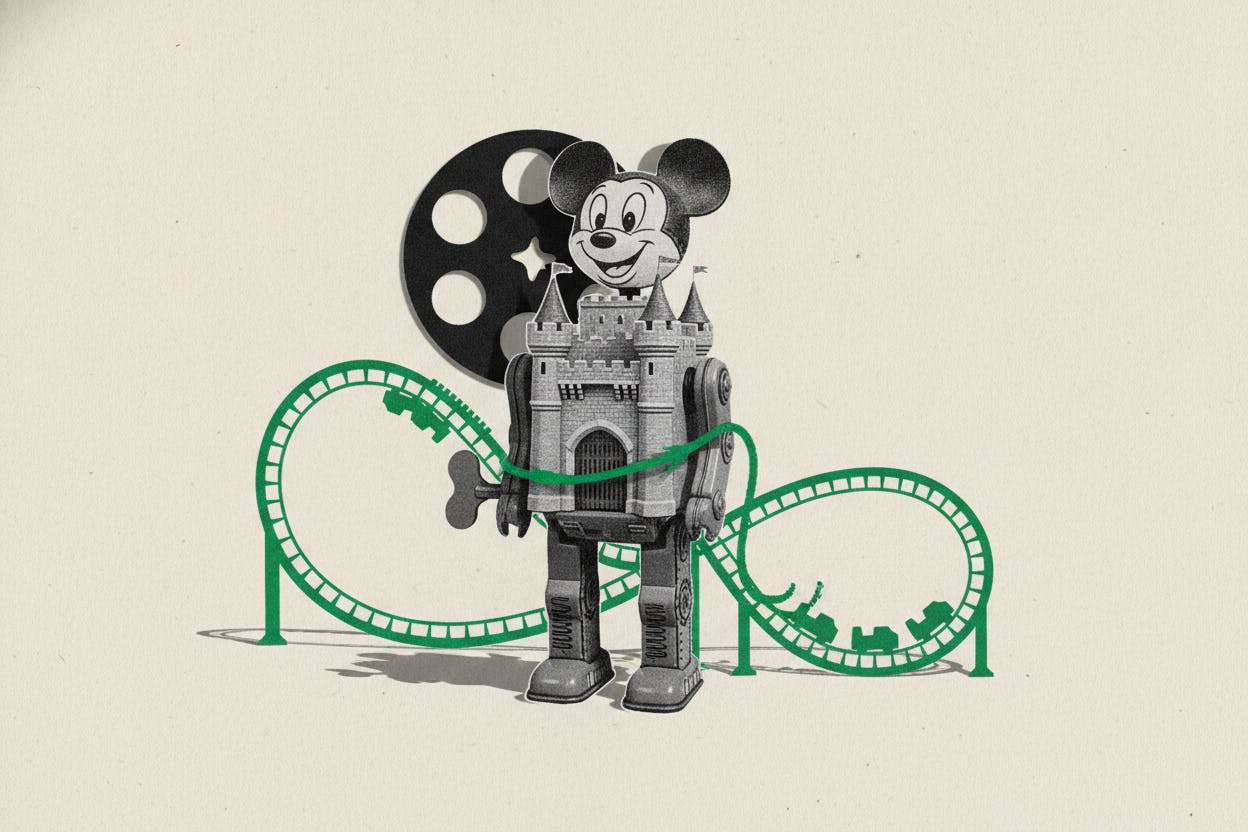
Disney's latest Toy Story installment proved that a blockbuster can be more than just a box-office hit. In its latest quarterly report, the entertainment giant said the film lifted merchandise sales, boosted engagement on its Disney+ streaming service, and drew more visitors to its theme parks—evidence that its biggest franchises can generate revenue across multiple parts of the business.
The company also revealed a separate move to streamline its portfolio: it agreed to sell its stake in A+E Networks to Hearst for $1.2 billion, with proceeds earmarked for share buybacks. The deal, reported earlier, gives Hearst full control of the cable networks behind shows like Pawn Stars and Duck Dynasty.
The franchise playbook
In a shareholder letter, Disney CEO Josh D'Amaro laid out a simple strategy: invest heavily in big, beloved franchises, then monetize them across every channel—theaters, streaming, consumer products, and parks. Toy Story 5 is a textbook example. While the film's theatrical performance was strong, the real payoff came from the ecosystem around it.
Disney reported $25.2 billion in revenue for the quarter, up 7% from a year earlier but slightly below Wall Street's expectations as compiled by LSEG. Adjusted earnings, however, came in at $2.06 per share, up 28% and ahead of analyst forecasts. The beat was driven largely by the company's Parks and Experiences division, where revenue rose nearly 10% to almost $10 billion as global attendance climbed 4% and operating income jumped 20%.
That division has become a key profit engine for Disney, especially as traditional cable TV continues to decline. By tying park experiences to its biggest movie releases, Disney can turn a film's popularity into ticket sales at its resorts, merchandise purchases, and even streaming subscriptions.
What the A+E sale means
The $1.2 billion sale of Disney's stake in A+E Networks is part of a broader effort to focus on its core entertainment brands. A+E, a joint venture with Hearst that includes channels like History and Lifetime, has been a smaller part of Disney's portfolio in recent years. Selling it frees up cash that Disney plans to use for share buybacks, a move that can boost earnings per share by reducing the number of shares outstanding.
For investors, buybacks are often seen as a signal that management believes the stock is undervalued. They also return capital to shareholders without the tax implications of dividends. Disney has been under pressure to improve its balance sheet and show discipline with spending, especially after years of heavy investment in streaming and theme parks.
What it means for investors
The combination of a strong franchise quarter and a portfolio-trimming deal paints a picture of a company trying to do two things at once: grow its most valuable assets while cutting loose the ones that no longer fit. For everyday investors, the key takeaway is that Disney's success increasingly depends on how well it can turn its intellectual property into recurring revenue across multiple channels.
That model is not without risks. A single film's performance can be volatile, and the parks business is sensitive to economic downturns and consumer spending. But the company's ability to squeeze more value out of its franchises—whether through a new movie, a streaming series, or a themed land—gives it a competitive edge that pure-play studios lack.
Investors will likely watch whether Disney can sustain this momentum with its upcoming slate and whether the A+E sale proceeds are used effectively. The buyback program, if executed at current prices, could provide a modest tailwind to earnings per share in the coming quarters.
For now, the message from Disney is clear: a hit movie is just the beginning. The real value lies in what happens after the credits roll.