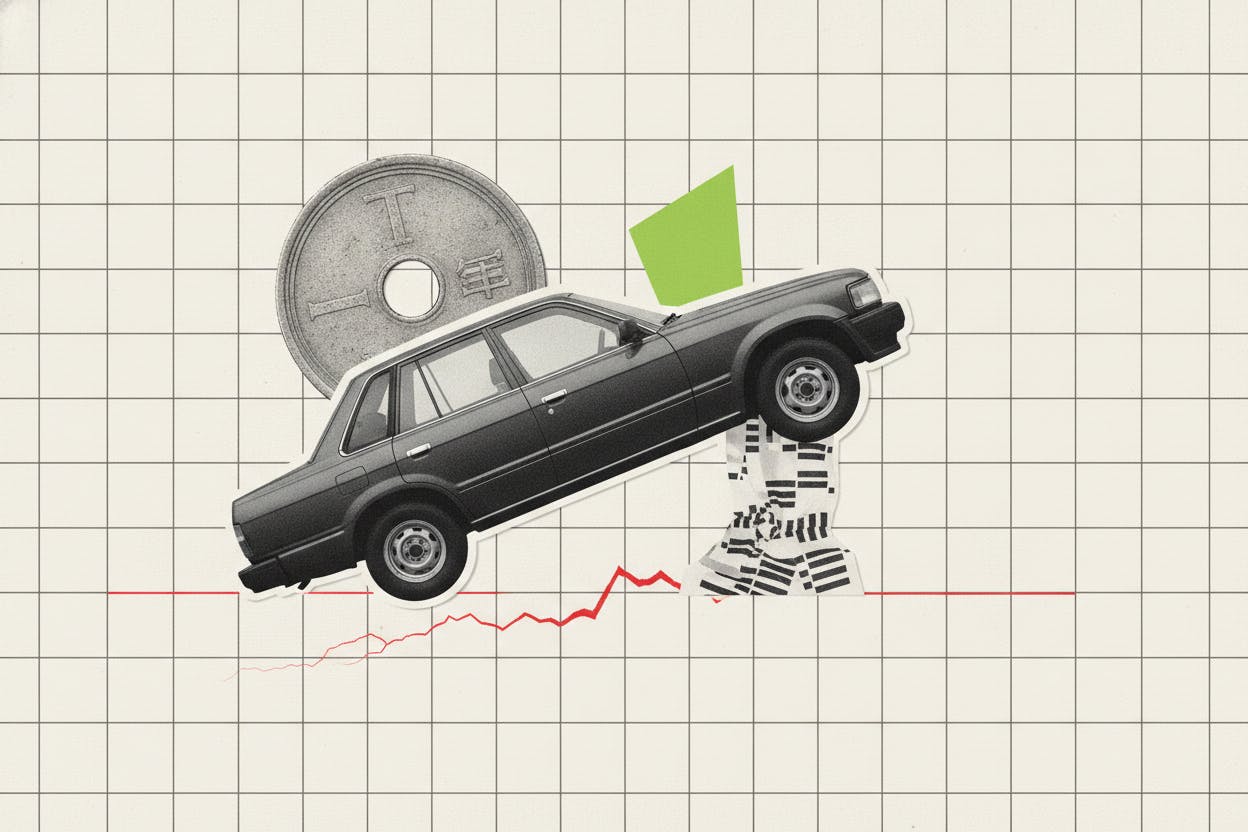
Toyota, the world's largest automaker, delivered a mixed update to investors on Thursday. The company raised its full-year operating profit forecast to 3.4 trillion yen (about $21.6 billion) and unveiled a 1 trillion yen share buyback. Yet the stock fell 2.3% in Tokyo trading, as the latest quarterly results failed to impress.
Quarterly profit misses expectations
For the April–June quarter, Toyota's operating profit came in at 1.06 trillion yen, down 9% from the same period a year earlier. That was below the 1.11 trillion yen median estimate from a poll of eight analysts compiled by LSEG. The company cited weaker sales as a key reason for the decline.
The miss suggests that even a giant like Toyota isn't immune to softening demand, particularly in some of its key markets. While the company didn't break down regional performance in the brief, the overall sales weakness is a reminder that automakers are navigating a patchy global recovery.
The yen's helping hand
The brighter part of the announcement was the improved full-year outlook. Toyota now expects operating profit of 3.4 trillion yen for the fiscal year ending March 2025, up from its previous forecast of 3.0 trillion yen. The revision is largely thanks to a weaker yen, which boosts the value of profits earned overseas when converted back into Japanese currency.
Toyota's new forecast assumes an exchange rate of 157.49 yen to the dollar. That's a significant depreciation from levels seen earlier in the year, and it means every dollar of overseas profit is worth more in yen terms. For a company that sells a large share of its vehicles outside Japan, this is a powerful tailwind.
The weaker yen has been a recurring theme in Japanese markets. It's also a factor in other corporate earnings stories, such as HSBC's profit jump, though that bank benefits from higher interest rates rather than currency moves.
Buyback signals confidence
Toyota also announced a 1 trillion yen share buyback program. Buybacks are a way for companies to return cash to shareholders, and they often signal that management believes the stock is undervalued. By reducing the number of shares outstanding, buybacks can also boost earnings per share.
This move is part of a broader trend among Japanese companies, which have been under pressure from the Tokyo Stock Exchange to improve capital efficiency and shareholder returns. Toyota's buyback is one of the largest announced this year, and it underscores the company's strong cash generation.
Why did the stock fall?
So why did shares slip despite the upbeat forecast and the buyback? The answer lies in the quarterly miss. Investors often focus on the most recent performance, and a 9% drop in operating profit is a clear negative. The fact that the company had to cut its sales outlook (implied by the weaker sales comment) may have also weighed on sentiment.
Moreover, the market may have already priced in the yen boost. The Nikkei index had been sliding ahead of Toyota's results, partly due to worries about possible yen intervention by Japanese authorities. If the yen strengthens from here, the tailwind could reverse.
What it means for investors
For everyday investors, Toyota's announcement is a reminder that a company's outlook and its stock price don't always move in the same direction. The raised forecast and buyback are positive signals, but the quarterly miss shows that challenges remain.
If you own Toyota shares, the buyback is a direct benefit, as it can support the share price over time. But the stock's reaction today suggests that investors are focused on the near-term weakness in sales.
For those watching the broader market, Toyota's results are a bellwether for the global auto industry and for Japanese exporters. The weaker yen is helping many Japanese companies, but it's not a cure-all. As seen with Evonik's profit beat, other factors like shipping disruptions can also play a role.
Investors should also keep an eye on currency markets. If the yen strengthens, it could erode the profit boost that Toyota and other exporters are counting on. That's a risk that could affect the entire Japanese market.
The bottom line
Toyota's update is a classic case of good news and bad news. The raised forecast and buyback are clearly positive, but the quarterly profit decline and sales weakness are concerns. The stock's slip reflects that mixed picture.
For now, Toyota remains a profit machine, and the buyback is a tangible reward for shareholders. But investors should watch whether the sales weakness persists and how currency moves play out. As always, it's wise to consider how this fits into your overall portfolio rather than making a hasty move based on one day's price action.