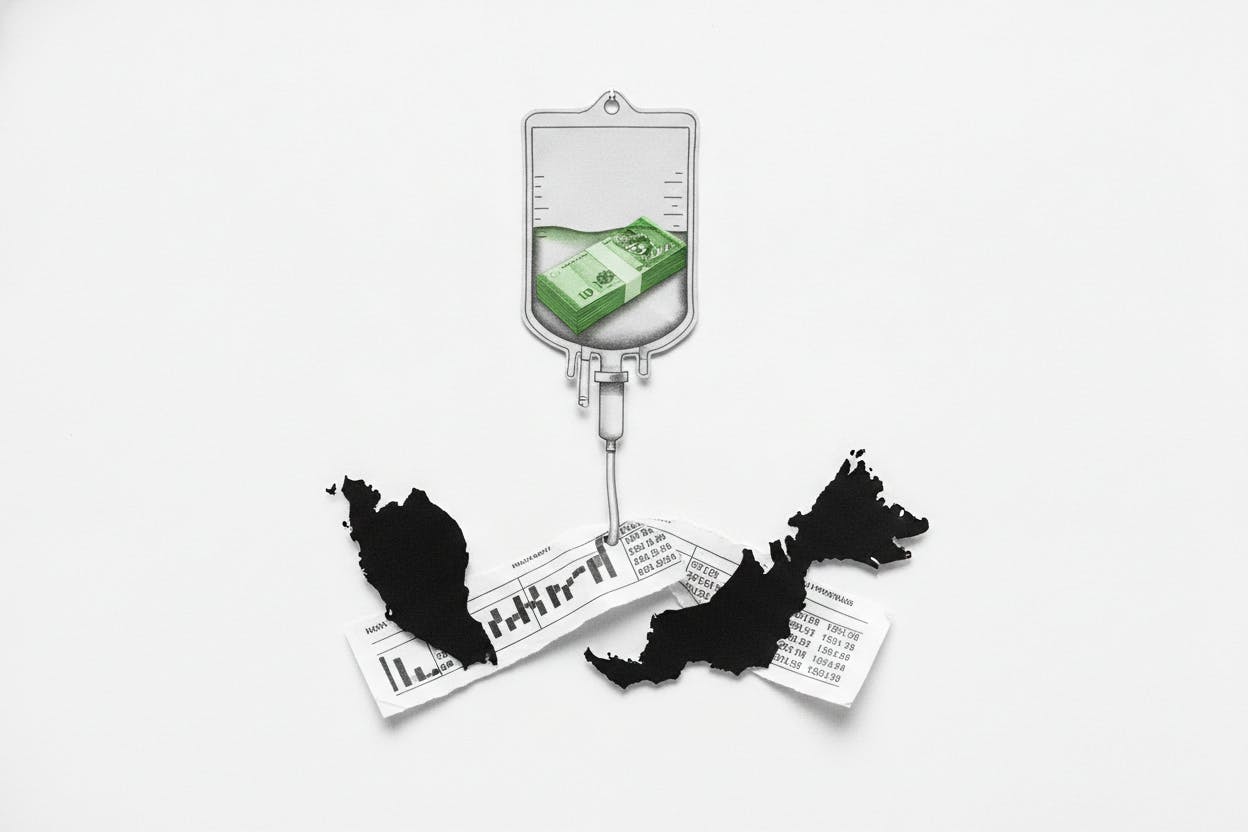
Asia OneHealthcare, a healthcare provider backed by private-equity firm TPG, has taken a step toward going public in Malaysia. According to a Bloomberg report, the company has confidentially filed for an initial public offering (IPO) on Bursa Malaysia, the country's main stock exchange. The listing could raise at least 10 billion ringgit (roughly $2.3 billion), a sum that would place it among the largest share sales in Malaysian history.
For context, a raise of that size would rival the 10.4 billion ringgit IPO of FGV Holdings, a palm oil giant that listed in 2012 and remains one of the biggest floats the Malaysian market has ever seen. That comparison underscores just how significant this potential deal is for Bursa Malaysia, which has seen relatively few mega-listings in recent years.
Who is Asia OneHealthcare?
Asia OneHealthcare is a healthcare provider with operations across Southeast Asia, including Indonesia and Vietnam. The company is backed by TPG, a global private-equity firm known for investing in growth-oriented businesses. While the company has not publicly detailed its full portfolio, its regional footprint suggests it operates hospitals, clinics, or related healthcare services in these fast-growing markets.
The move to list in Malaysia, rather than in its home markets, is notable. It signals that the company sees Bursa Malaysia as a viable platform to raise capital and attract international investors. It also tests whether investors are willing to back a regional growth story, not just a domestic one. Malaysia's stock exchange has traditionally been dominated by local companies, so a cross-border healthcare player could broaden the market's appeal.
Why this IPO matters for investors
For everyday investors, this IPO is worth watching for several reasons. First, it could offer a chance to invest in the healthcare sector, which is often seen as a defensive play because demand for medical services tends to be stable regardless of economic conditions. Second, the company's exposure to Indonesia and Vietnam—two of Southeast Asia's most populous and fastest-growing economies—could provide a growth angle that pure Malaysian healthcare firms may lack.
However, IPOs of this size come with risks. The company will need to convince investors that its regional expansion plans are sound and that it can generate consistent profits. Healthcare businesses often face regulatory hurdles, and operating across multiple countries adds complexity. Investors should also remember that a large IPO can sometimes be priced richly, leaving little room for immediate gains.
The confidential filing means the company has not yet published its prospectus, so detailed financials are not public. Investors will need to wait for the official filing to assess revenue, profit margins, and debt levels. In the meantime, the news is a positive signal for Bursa Malaysia, which has been working to attract more listings. A successful deal of this scale could encourage other regional companies to consider Kuala Lumpur as a listing destination.
For those interested in the broader IPO landscape, this is part of a trend of private-equity-backed companies seeking public listings. Recent examples include KKR-backed Wella's NYSE filing and Golden Pet Brands' New York IPO plans. These deals often provide an exit for early investors and give public market participants a chance to own a piece of growing businesses.
In Malaysia, the news comes amid mixed market sentiment. The country's benchmark KLCI index recently slipped as factory growth cooled, as we reported in our coverage of the manufacturing slowdown. A large IPO could inject some optimism, but it also has the potential to draw liquidity away from existing stocks, as investors may sell holdings to subscribe to the new offering.
What to watch next
The next key milestone will be the release of the company's prospectus, which will provide detailed financial information and the expected timeline for the listing. Investors should also watch for any regulatory approvals from Bursa Malaysia and the Securities Commission. The final pricing of the shares will be crucial—if the IPO is priced attractively, it could generate strong demand; if too high, it might struggle.
For now, the confidential filing is a strong signal that Asia OneHealthcare is serious about going public. Whether it becomes a landmark listing or a cautionary tale will depend on market conditions and investor appetite. As always, potential investors should do their own research and consider their risk tolerance before participating in any IPO.