TTK Prestige, a leading Indian kitchen-appliances maker, saw its first-quarter profit more than double as the company rode a wave of demand for induction cooktops and higher-end cookware. The results underscore how changing cooking habits in India are creating winners among appliance manufacturers.
Strong earnings beat
The company reported consolidated net profit of 593.3 million rupees ($7.2 million) for the quarter ended June 30, up from 266.3 million rupees a year earlier. Revenue from operations climbed nearly 34% to 8.14 billion rupees, which TTK Prestige attributed to steady demand for induction cooktops as well as induction-friendly pressure cookers and cookware.
The profit surge came even as the company faced rising input costs, a challenge that has weighed on many consumer goods firms. For context, Hindustan Unilever recently reported a 4% profit dip partly due to commodity cost pressures.
Why induction matters
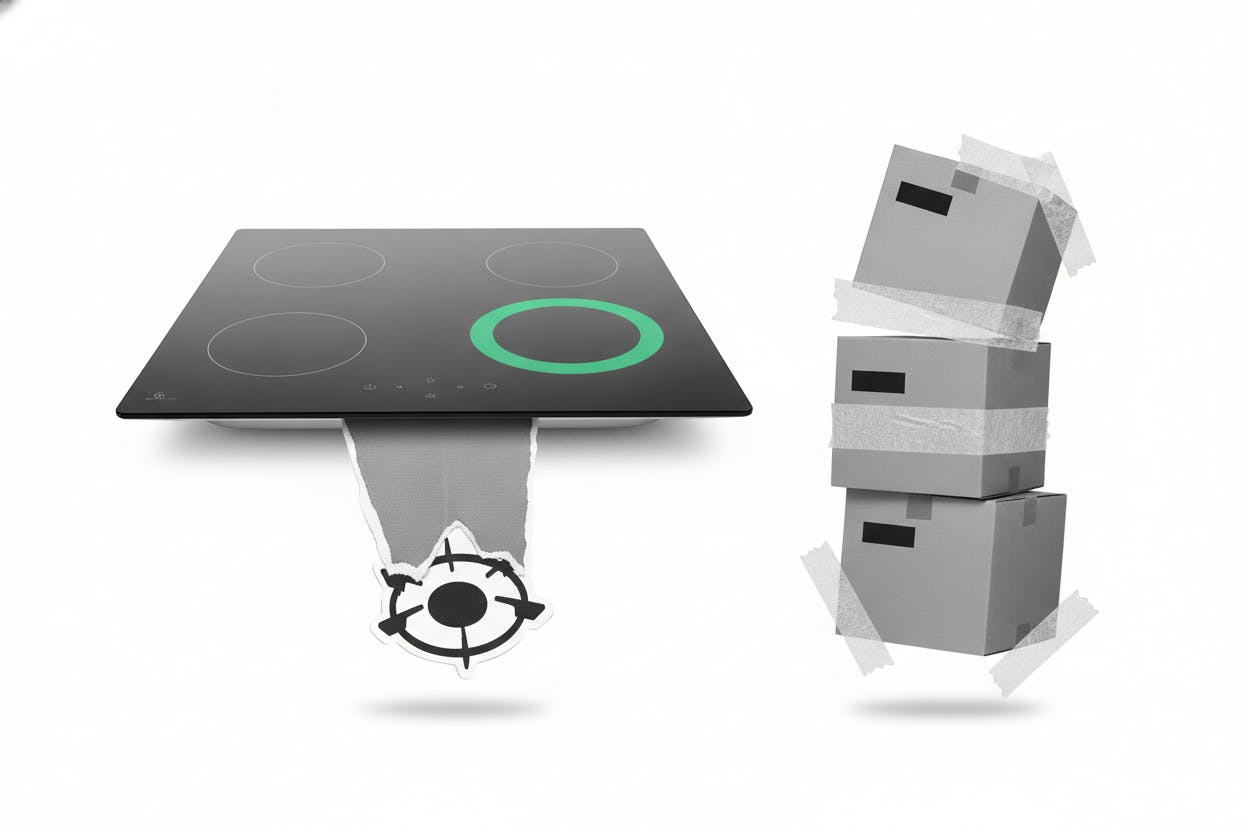
Induction cooktops use electromagnetic energy to heat pots and pans directly, rather than heating a burner or coil. They are generally more energy-efficient and faster than traditional gas or electric stoves. In India, where many households still cook with LPG cylinders, the shift to induction is being driven by rising gas prices, government subsidies for electric cooking, and a growing urban population seeking convenience.
TTK Prestige's product mix is key to its profitability. Induction cooktops and premium cookware typically carry higher margins than basic pressure cookers or non-stick pans. When a larger share of sales comes from these higher-margin items, overall profitability can improve even if raw material costs rise.
Broader market context
The Indian kitchen-appliances market has been growing steadily, fueled by rising disposable incomes, urbanization, and a younger demographic that values convenience. Companies like TTK Prestige and its rival Hawkins Cooker have benefited from this trend. However, competition is intensifying as global brands and local startups enter the space.
TTK Prestige's strong quarter also comes amid a mixed earnings season for Indian consumer companies. While some have struggled with inflation and weak rural demand, others have managed to grow by targeting premium segments. The company's ability to nearly double profit while revenue grew by a third suggests it is successfully managing both costs and pricing.
What it means for investors
For everyday investors, TTK Prestige's results highlight the importance of product mix and market trends. A company that can align itself with a structural shift—like the move from gas to induction cooking—can see outsized gains even in a challenging economic environment.
Investors should watch how TTK Prestige navigates rising competition and input costs in coming quarters. The company's ability to maintain or expand margins will be a key indicator of its competitive strength. Also worth monitoring is whether the induction trend spreads beyond urban centers to smaller towns and rural areas, which would open a much larger addressable market.
While the company did not provide specific guidance for the rest of the year, the strong start to fiscal 2025 sets a high bar. Analysts will be looking for signs that demand is sustainable and not just a post-pandemic catch-up effect.
In the broader context of Indian consumer stocks, TTK Prestige's performance stands out. For comparison, Mercedes-Benz recently reported a 22% profit rise but flagged China weakness, showing how even strong companies face headwinds in certain markets. TTK Prestige, by contrast, is benefiting from a domestic tailwind that shows no signs of fading.
The company's next quarterly report will be closely watched to see if it can sustain this momentum. For now, the induction cooking shift is proving to be a powerful growth driver for one of India's best-known kitchen brands.