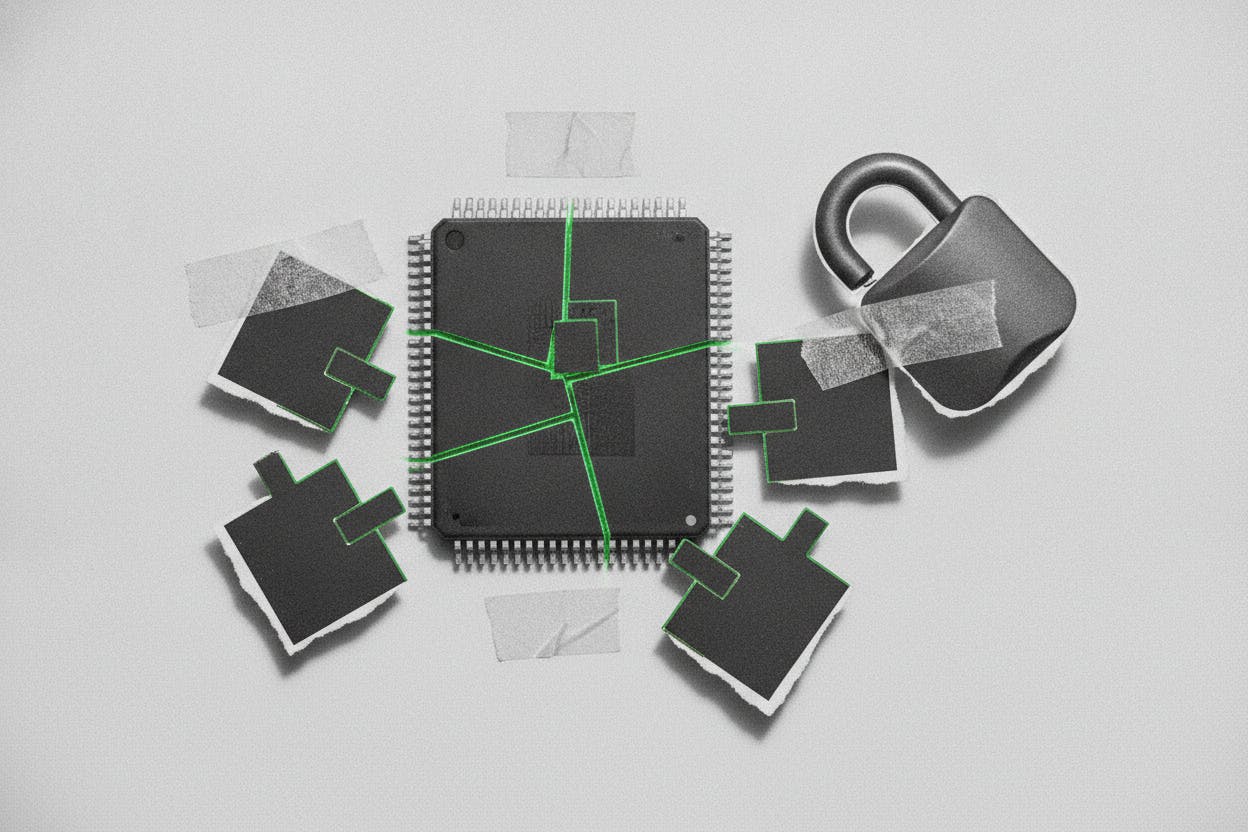
TYLSemi, a semiconductor startup founded by former executives of AlphaWave, has announced a $43 million funding round to develop chiplets based on open standards for artificial intelligence hardware. The company aims to give companies more flexibility in designing custom AI chips, reducing reliance on proprietary connections from dominant vendors.
What Are Chiplets and Why Do They Matter?
Chiplets are smaller, modular chips that can be combined to create a larger processor, much like building blocks. Instead of designing a single, monolithic chip, companies can mix and match chiplets for different functions—such as computing, memory, or networking—to create a custom solution. This approach can lower costs, speed up development, and allow for more specialized designs.
Currently, many AI chip designs rely on proprietary interfaces, which lock customers into a single supplier's ecosystem. TYLSemi's technology uses open standards, meaning chiplets from different manufacturers could work together seamlessly. This could give companies more choice and potentially reduce costs over time.
The Funding and Its Backers
The $43 million round was led by a group of venture capital firms, though TYLSemi did not disclose the specific investors. The funds will be used to hire engineers, develop prototype chiplets, and build partnerships with other semiconductor companies. The startup's founders previously worked at AlphaWave, a company known for its work in high-performance computing and AI accelerators.
The investment comes at a time when demand for AI chips is surging, driven by the rapid adoption of generative AI and large language models. Companies like Nvidia have seen explosive growth, but their proprietary systems can be expensive and limit flexibility. TYLSemi's open-standard approach could appeal to firms looking for alternatives.
What It Means for Investors
For everyday investors, this story highlights a broader trend in the semiconductor industry: the shift toward modular, open architectures. While Nvidia dominates the AI chip market today, startups like TYLSemi are betting that customers will want more choice. If successful, TYLSemi could become a key supplier to companies building custom AI chips, potentially disrupting the status quo.
However, the company faces significant challenges. Building a new chip standard requires widespread industry adoption, and TYLSemi will need to convince major players to support its technology. The $43 million is a substantial sum for an early-stage startup, but it is small compared to the billions spent by established chipmakers. Investors should watch for partnerships and prototype announcements as signs of progress.
This funding round also reflects the broader appetite for AI-related investments. Similar to how KEPCO's green bond sale drew strong demand, investors are eager to back companies tied to AI growth. Yet, as with any early-stage tech bet, the risk is high.
Broader Market Context
The chiplet market is still nascent, but it is gaining traction. Industry groups like the Universal Chiplet Interconnect Express (UCIe) consortium are working to standardize interfaces, and major companies like Intel and AMD have expressed support. TYLSemi's open-standard approach aligns with this trend, potentially positioning it as a key player.
For investors, the key takeaway is that the AI chip market is not a one-horse race. While Nvidia's dominance is clear, the push for open standards could create opportunities for new entrants. Companies that successfully navigate this shift could see significant growth, but the timeline is uncertain.
In the meantime, TYLSemi's $43 million raise is a vote of confidence in the chiplet model. As the company works to turn its vision into reality, investors will be watching closely for the next steps.