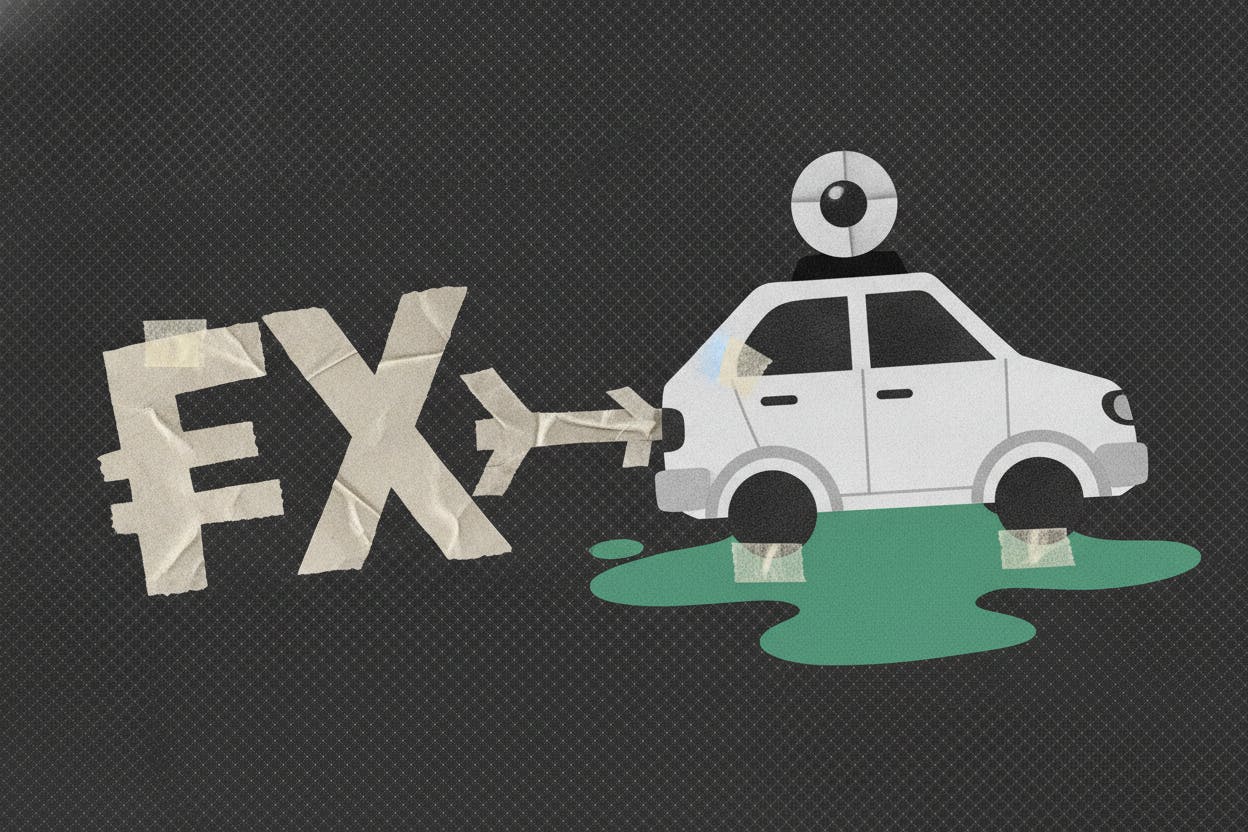
Uber delivered solid second-quarter demand, but investors are focusing on a softer-than-expected profit outlook for the current quarter. The ride-hailing and delivery giant said currency fluctuations are becoming a headwind, while its ambitious push into autonomous vehicles will require more than $10 billion in spending.
Quarterly results beat, but guidance disappoints
For the second quarter, Uber reported gross bookings of $58.02 billion—the total value of rides and food deliveries before paying drivers—which came in ahead of the $57.06 billion analysts had expected. That shows consumer demand for ride-hailing and delivery remains resilient, even as some households tighten budgets.
However, the company's forecast for the third quarter painted a more cautious picture. Uber projected adjusted earnings per share of 84 to 88 cents, below the 89-cent consensus from LSEG, a financial data provider. The company also guided third-quarter gross bookings to $58.25 billion to $60.25 billion, which is roughly in line with Wall Street's expectations.
The gap between the bookings outlook and the profit guidance highlights two pressures: currency movements and the cost of building out autonomous driving capabilities.
Why currency swings matter
Uber operates in dozens of countries, and when the U.S. dollar strengthens against other currencies, the value of overseas bookings and earnings shrinks when converted back to dollars. This is a common challenge for multinational companies, and it can shave a few percentage points off growth even when local demand is healthy.
For everyday investors, this is a reminder that a strong dollar isn't just a macro headline—it can directly affect the earnings of companies with large international exposure. When the dollar rises, U.S. multinationals often see their overseas revenue translate into fewer dollars, which can weigh on reported results.
The robotaxi bet
Uber's plans to invest more than $10 billion in autonomous vehicles signal a major strategic bet. The company has been positioning itself to be a key player in the robotaxi space, partnering with autonomous vehicle developers and integrating self-driving cars into its network.
This is a capital-intensive endeavor, and the spending will likely pressure near-term profits. But Uber sees it as essential to staying competitive as rivals like Alphabet's Waymo and Tesla push forward with their own autonomous ride-hailing services. The company's management has argued that autonomous vehicles could eventually lower costs and expand the market for ride-hailing, but the payoff is years away.
For investors, the increased spending means Uber is trading some short-term profitability for a shot at long-term growth. That's a familiar trade-off in the tech sector, where companies often sacrifice margins to fund innovation. The key question is whether the investment will pay off before competitors gain an insurmountable lead.
What it means for investors
Uber's mixed guidance suggests that while the core business is growing, the company is entering a phase of heavier investment and external headwinds. Currency fluctuations are largely outside management's control, but the robotaxi spending is a deliberate choice.
Investors should watch how Uber balances these pressures in the coming quarters. If the company can maintain strong bookings growth while managing costs, the stock could still reward long-term holders. But if spending spirals or the autonomous vehicle timeline slips, the profit outlook could weaken further.
The broader market has been sensitive to companies that ramp up spending, especially in areas like artificial intelligence and autonomous driving. As seen with AI stocks slipping despite strong results, investors are increasingly scrutinizing whether big capital outlays will generate returns.
Uber's situation is similar: it's betting big on a future that could transform transportation, but the financial payoff is uncertain. For now, the company is asking investors to be patient.
Looking ahead
The third-quarter guidance is just a snapshot, and Uber's actual results could come in better or worse depending on how currency moves and how quickly it deploys its autonomous vehicle spending. The company will likely provide more details on its robotaxi strategy in the coming months, and investors will be listening for any signs of progress or delays.
For everyday investors, the takeaway is that Uber's growth story is intact, but the path to profitability is getting more complex. Currency headwinds are a temporary drag, while the robotaxi investment is a long-term gamble. Whether that gamble pays off will be one of the key stories to watch in the ride-hailing industry.