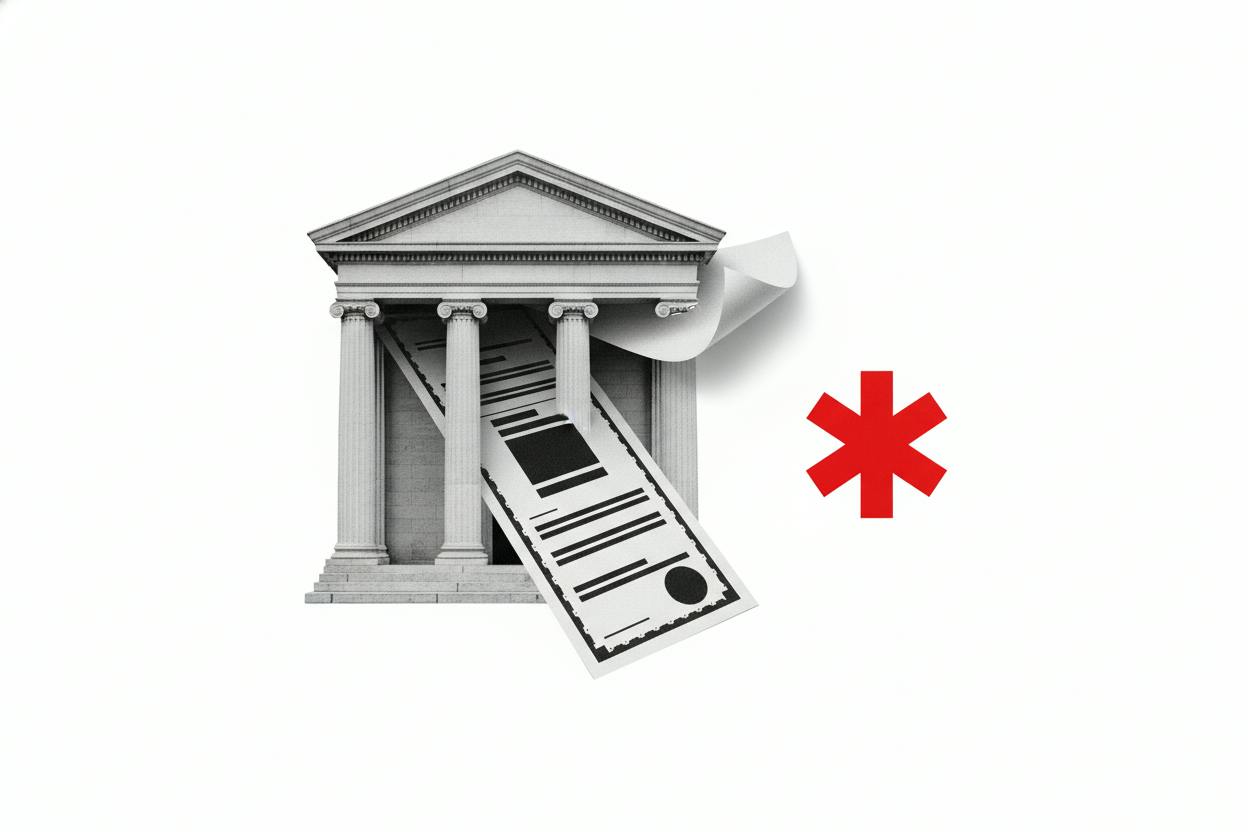
UBS has taken another major step in cleaning up the aftermath of its 2023 rescue of Credit Suisse. The Swiss banking giant said it accepted $7.93 billion in notes tendered by investors across nine bond series, and raised the total amount it is willing to repurchase to about $5.85 billion from an initial $4 billion. This marks the largest debt buyback in UBS's history.
What is a tender offer and why does it matter?
A cash tender offer is a formal invitation for bondholders to sell their notes back to the issuer before maturity, usually at a premium to the current market price. For UBS, this is a way to retire debt early rather than wait for it to mature naturally. The repurchased notes are mostly denominated in US dollars, euros, and British pounds, and they were originally issued by Credit Suisse before the takeover.
By buying back these bonds now, UBS is shrinking the pile of inherited obligations it must manage and eventually refinance. The notes mainly mature between 2028 and 2033, so retiring them now helps smooth out UBS's future repayment schedule. Instead of facing a cluster of maturities in a narrow window, the bank reduces the amount it will need to replace later.
Why is UBS doing this?
When a bank has a heavy set of bond maturities coming due in a short period, investors often demand higher yields to compensate for the refinancing risk. That's because the cost of replacing that debt depends on prevailing interest rates and market conditions at the time. A tender offer tackles this problem head-on: by buying back debt early, UBS lowers the amount that needs to be refinanced later, which can reduce future borrowing costs and improve investor confidence.
This move is part of a broader strategy to integrate Credit Suisse's balance sheet and reduce the complexity of managing two sets of debt. Since the takeover, UBS has been working to wind down legacy positions, sell off non-core assets, and streamline its capital structure. The buyback is a key piece of that effort, as it directly reduces the amount of Credit Suisse debt still on the books.
What does this mean for investors?
For everyday investors, this news is a signal about UBS's financial health and its commitment to managing its balance sheet prudently. By retiring debt early, UBS is reducing its future interest expenses and lowering the risk of a refinancing crunch. That can be positive for the bank's creditworthiness and, by extension, for its stock price and bond valuations.
It also reflects a broader trend in the banking sector: after a period of high interest rates, many banks are looking to lock in lower borrowing costs or reduce their debt loads. UBS's move is notable because of its size and because it specifically targets debt inherited from Credit Suisse, which was a source of concern for investors after the emergency takeover.
For bondholders, the tender offer provides an opportunity to sell their notes at a premium, which can be attractive if they want to exit positions or if they believe interest rates will rise further. For equity investors, the buyback is a sign that management is being proactive about managing liabilities, which can support long-term profitability.
Looking ahead
Investors will be watching to see how UBS continues to integrate Credit Suisse's operations and whether it will pursue further debt buybacks or other balance-sheet measures. The bank has already made significant progress, but the full integration is expected to take years. The success of this tender offer—measured by the high level of participation—suggests that bondholders are willing to sell, which could encourage UBS to consider similar moves in the future.
This story also fits into a wider picture of corporate debt management. Companies across industries are increasingly using tender offers and buybacks to manage their debt profiles, especially when they have excess cash or want to reduce interest costs. For investors, understanding these mechanics can help in evaluating a company's financial strategy and its implications for returns.
In the meantime, UBS's record buyback is a clear statement that the bank is moving past the Credit Suisse era and focusing on a cleaner, more efficient balance sheet. For those holding UBS shares or bonds, it's a reassuring sign that management is taking concrete steps to reduce risk and position the bank for the future.