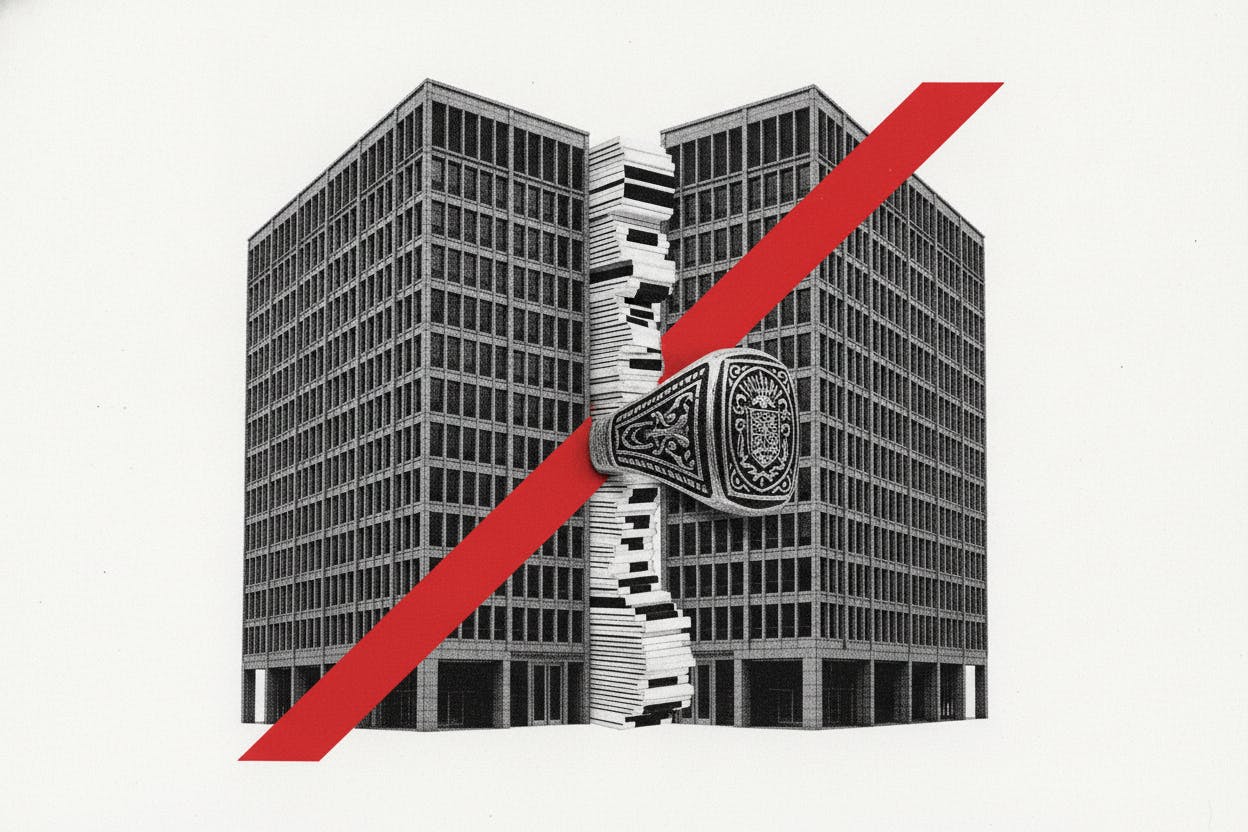
UniCredit's chief executive, Andrea Orcel, is escalating his campaign to take control of Commerzbank, pressing the German lender to replace both its CEO and its chairman. According to Reuters, citing three people familiar with the talks, Orcel wants Commerzbank CEO Bettina Orlopp to step down, and two sources add that chairman Jens Weidmann is also on UniCredit's exit list.
The demand is a loud signal that UniCredit is thinking beyond the headline of a potential takeover and toward day-one control: who runs the bank and who sets strategy. For investors, the battle over leadership is often the clearest sign of how serious a bidder is about reshaping a target.
What's driving the clash
UniCredit, Italy's largest bank, has been building a stake in Commerzbank, Germany's second-largest listed lender, for months. Orcel has made no secret of his interest in a full combination, which would create one of Europe's biggest banking groups. But the deal has run into political resistance in Germany, where officials are wary of a foreign takeover of a bank that plays a key role in financing the country's mid-sized businesses.
Germany is pressing UniCredit to keep two seats on Commerzbank's supervisory board, a demand that would limit UniCredit's ability to install its own people. The supervisory board in a German company is a powerful body: it appoints and oversees the management board, approves major decisions, and sets executive pay. Control of that board is effectively control of the company's direction.
By calling for the removal of both the CEO and the chairman, Orcel is making clear he wants a clean slate. That is a direct challenge to the current leadership and to the German government's desire to preserve some influence over the bank's future.
What it means for investors
For shareholders of both banks, the leadership fight is a key variable in the takeover calculus. If UniCredit succeeds in replacing Commerzbank's top executives, it would likely move faster to integrate the two banks, cut overlapping costs, and extract synergies. That could boost UniCredit's earnings per share, but it also carries execution risk: integrating two large banks across borders is notoriously difficult.
For Commerzbank investors, the prospect of a change at the top could mean a more aggressive strategy, possibly including deeper cost cuts or a shift in business focus. It could also mean a higher takeover premium if UniCredit is forced to pay up to win over German authorities and the bank's own board.
For UniCredit investors, the risk is that a prolonged political fight delays the deal or forces concessions that dilute the financial benefits. The German government's insistence on keeping two board seats suggests it wants a say in how the combined bank operates, which could limit Orcel's freedom to restructure.
The broader lesson for everyday investors: when a bank makes a hostile push for control of another bank, the fight over the board is often more important than the initial offer price. The people who run the target determine whether the deal creates value or destroys it.
What to watch next
The next milestones will be any formal offer from UniCredit, the response from Commerzbank's supervisory board, and the stance of German regulators and politicians. A public spat over board seats could escalate into a full takeover battle, or it could lead to a negotiated settlement that gives UniCredit operational control while Germany keeps a symbolic presence.
Investors should also watch how other European banks react. A successful UniCredit-Commerzbank combination could trigger a wave of cross-border consolidation in the region, as other large banks look to bulk up. That would have implications for the entire European banking sector, from lending margins to deposit competition.
For now, the message from Orcel is clear: he wants to run Commerzbank, not just own a stake in it. Whether Germany lets him is a question that will shape the future of one of Europe's most important banking markets.