UnitedHealth Group nudged its profit forecast for 2026 higher after reporting third-quarter results that came in ahead of Wall Street's expectations, helped by lower medical claim costs at its insurance arm and improved margins at Optum, its health-services division.
The company posted adjusted earnings of $4.69 per share, topping the $4.14 analysts had penciled in, according to LSEG. Revenue of $112.69 billion also edged past forecasts. The beat was driven less by headline growth than by cost control — a detail that matters a lot for a company of UnitedHealth's size.
Why the medical cost ratio is the number to watch
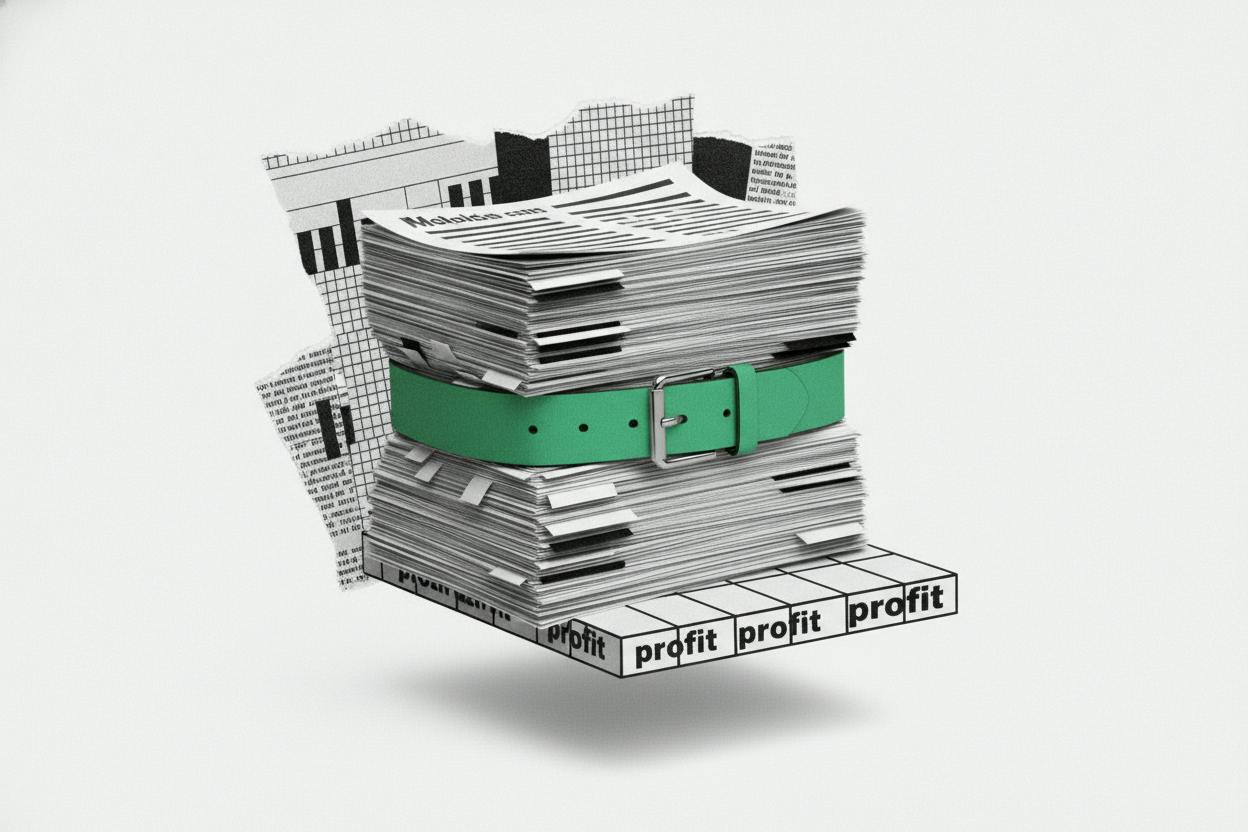
For health insurers, the single most important metric is the medical cost ratio, or MCR. It measures how much of every premium dollar an insurer collects gets paid back out in medical claims. A lower ratio means more of that premium income stays with the company as profit; a higher ratio means claims are eating into margins.
UnitedHealth said its MCR improved in the quarter. That is significant because the past couple of years have been unusually difficult for the insurer. A cyber attack on its Change Healthcare unit disrupted operations across the healthcare system, and the company went through a stretch of missed targets that weighed on its share price and its credibility with investors.
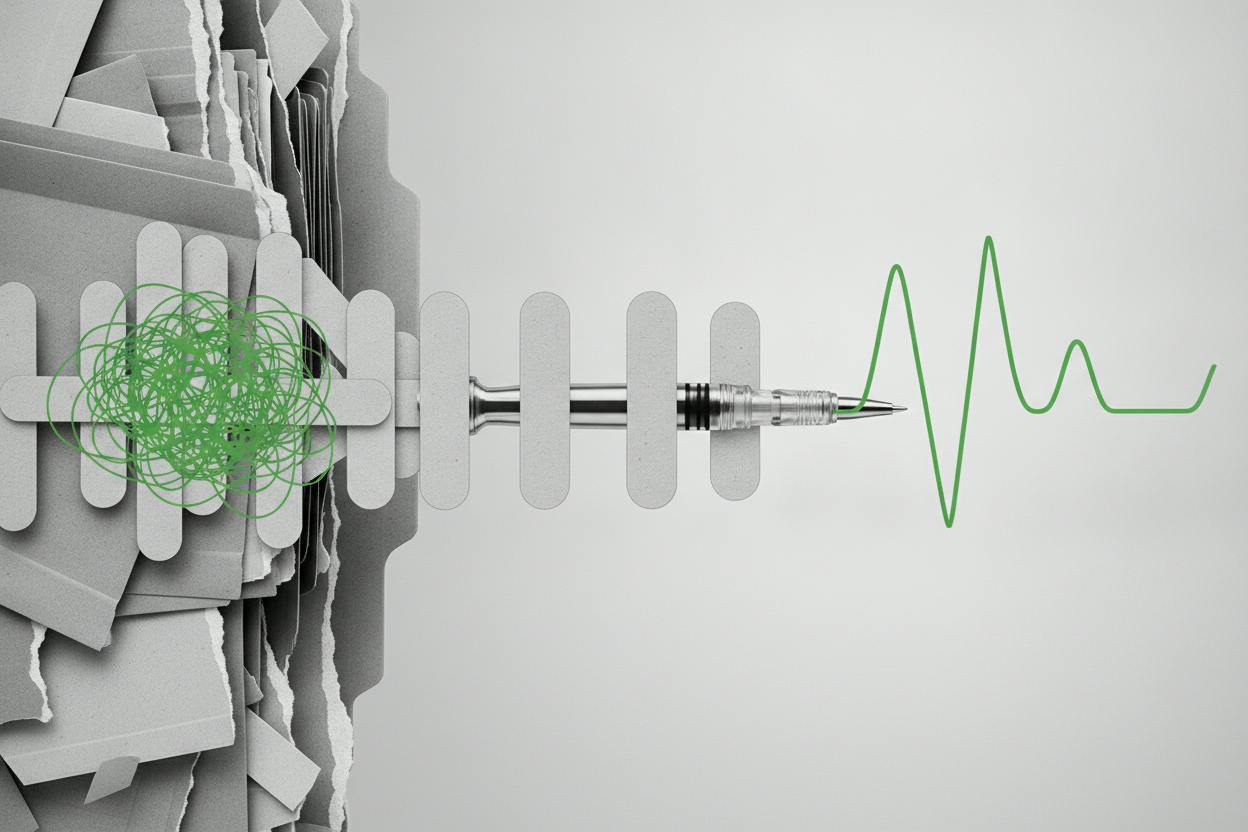
This quarter reads more like a reset. The combination of a better MCR and stronger Optum margins suggests the company is getting a firmer grip on costs — both on the insurance side, where it pays claims, and on the services side, where it manages care, pharmacy benefits and data.
What Optum brings to the table
Optum is UnitedHealth's health-services engine, and it operates alongside the UnitedHealthcare insurance business. It spans pharmacy benefits, care delivery and health analytics, and it has become an increasingly important part of the company's earnings mix. When Optum margins improve, it can offset pressure elsewhere in the business.
That diversification is one reason UnitedHealth is often viewed as a bellwether for the broader managed-care sector. Its results are read as a signal for how rivals like Elevance, Cigna and CVS Health's Aetna unit may be faring, particularly on medical cost trends.
The wider backdrop matters too. Health insurers have been navigating a post-pandemic environment in which patients returned to hospitals and clinics for deferred procedures, pushing claim costs higher across the industry. Companies that can manage those costs — through pricing, care management or scale — tend to stand out.
What it means for investors
For everyday investors, the takeaway is straightforward: UnitedHealth is telling the market that its cost problems are becoming more manageable, and it is confident enough to raise its outlook for 2026. Guidance increases are typically read as a sign that management sees visibility into the quarters ahead, rather than just a one-off good quarter.
That said, a single quarter does not erase a rough stretch. Investors will want to see whether the improved medical cost ratio holds in future periods, and whether Optum's margin gains are durable or partly the result of one-time factors. Health insurance is a business where small shifts in claim trends can swing profits meaningfully.
It is also worth remembering that UnitedHealth is one of the largest companies in the U.S. by revenue and a heavyweight in major stock indexes. Moves in its shares can ripple through broad-market funds that many retirement accounts hold, so its results are not just a story for healthcare specialists.
Other insurers reporting in the coming weeks will give a clearer picture of whether the cost trends UnitedHealth described are company-specific or industry-wide. If peers show similar improvement, it would reinforce the idea that the sector is stabilising after a turbulent period. If not, UnitedHealth's beat may look more like an outlier.
For now, the message from the quarter is one of steadying: better cost control, a raised outlook, and a business that appears to be moving past its recent disruptions. Investors will be watching the next few quarters to see whether that holds.