Three major American retailers delivered better-than-expected sales last quarter, offering a fresh snapshot of the US consumer. Dick's Sporting Goods, Dollar Tree, and Best Buy all beat analyst forecasts, and their shares jumped in response. The common thread: shoppers are still opening their wallets, but they're doing so where the deals are.
Dick's Sporting Goods, which owns the Foot Locker chain, saw same-store sales rise 0.5% during the back-to-school rush. Analysts had braced for a 2% decline. Same-store sales, also called comparable sales, measure revenue at locations open at least a year, giving a clearer picture of underlying demand than total sales, which can be flattered by new store openings.
Dollar Tree, the discount retailer, reported a 4.6% jump in same-store sales at its established locations, beating the 3.7% that analysts expected. Budget-conscious shoppers snapped up bargain essentials, a sign that even in a strong job market, many households are watching every dollar.
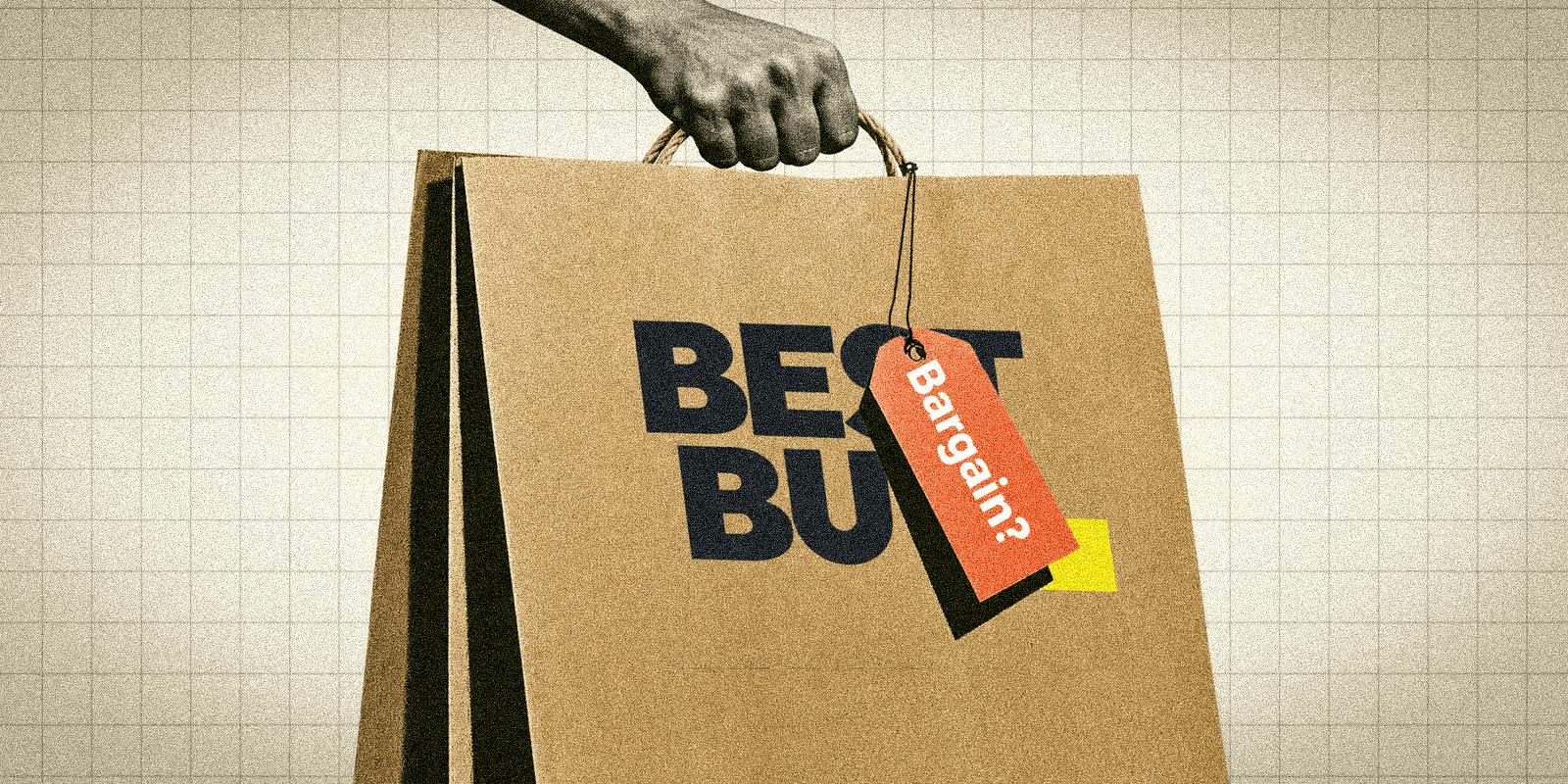
Best Buy, the consumer electronics giant, saw comparable sales rise 6.1%, well above the 2.3% forecast. The company pointed to strong demand for laptops, PCs, and AI-enabled glasses. That suggests that while shoppers are cautious, they're still willing to spend on technology that feels useful or exciting.
Investors cheer, but caution remains
The market reaction was swift and positive. Dick's shares jumped more than 15%, Dollar Tree's rose more than 12%, and Best Buy gained more than 3%. These moves reflect relief that the consumer, a key engine of the US economy, hasn't cracked under the pressure of high interest rates and lingering inflation.
But the broader picture is more nuanced. According to the London Stock Exchange Group's index of US retailers and restaurants, 81% of companies had reported earnings as of last week, and 69% beat profit forecasts. That's a strong showing. Yet the details reveal a consumer who is still spending, but cautiously.
Even higher earners are turning to Walmart for deals, and Dollar Tree shoppers spent just 1% more per visit. That means people are showing up, but they're not splurging. They're trading down, hunting for promotions, and making every dollar stretch further.
For retailers, this means they'll have to work harder for every sale. Pricing power is limited, and competition for value-conscious shoppers is fierce. Stores that can offer compelling deals and efficient operations are likely to fare better than those that rely on premium pricing.
What it means for investors
For everyday investors, these results offer a few takeaways. First, the US consumer is resilient, but not exuberant. That's a positive sign for the broader economy, but it also means retailers can't assume growth will come easily.
Second, value-oriented retailers are in a sweet spot. As shoppers focus on deals, companies like Costco and TJX, the parent of TJ Maxx, have been enjoying solid sales. Both already sit in the Finimize Portfolio, according to the brief. Costco's competitive advantages—its cost efficiency and scale—should help it compound for years. TJX's treasure-hunt model, where shoppers browse for discounted brand-name goods, has proven resilient, and its shares tend to be more stable than the market overall.
Notably, neither Costco nor TJX relies on the AI boom, which could make them a handy hedge if technology stocks stumble. While AI has driven much of the market's recent gains, a bubble in that sector would hurt many portfolios. Value retailers offer a different kind of exposure, one tied to consumer spending rather than tech hype.
Of course, no single quarter tells the whole story. Retailers face headwinds from still-elevated inflation and the lagged effects of higher interest rates. But the latest results suggest that consumers are adapting, not collapsing. They're spending, but they're demanding value in return.
For investors, the key is to watch how retailers navigate this environment. Companies that can offer deals while protecting margins, and that have strong balance sheets to weather any downturn, are likely to be the winners. As always, diversification matters, and a mix of growth and value names can help balance risk.
In the coming weeks, investors will be watching holiday sales data and any updates from retailers on consumer trends. The back-to-school season was a bright spot, but the crucial holiday quarter will test whether the deal-hunting trend persists. If it does, value retailers could keep outperforming, while premium brands may need to rethink their strategies.
For now, the message from the latest earnings is clear: the US consumer is still spending, but they're making retailers earn it.