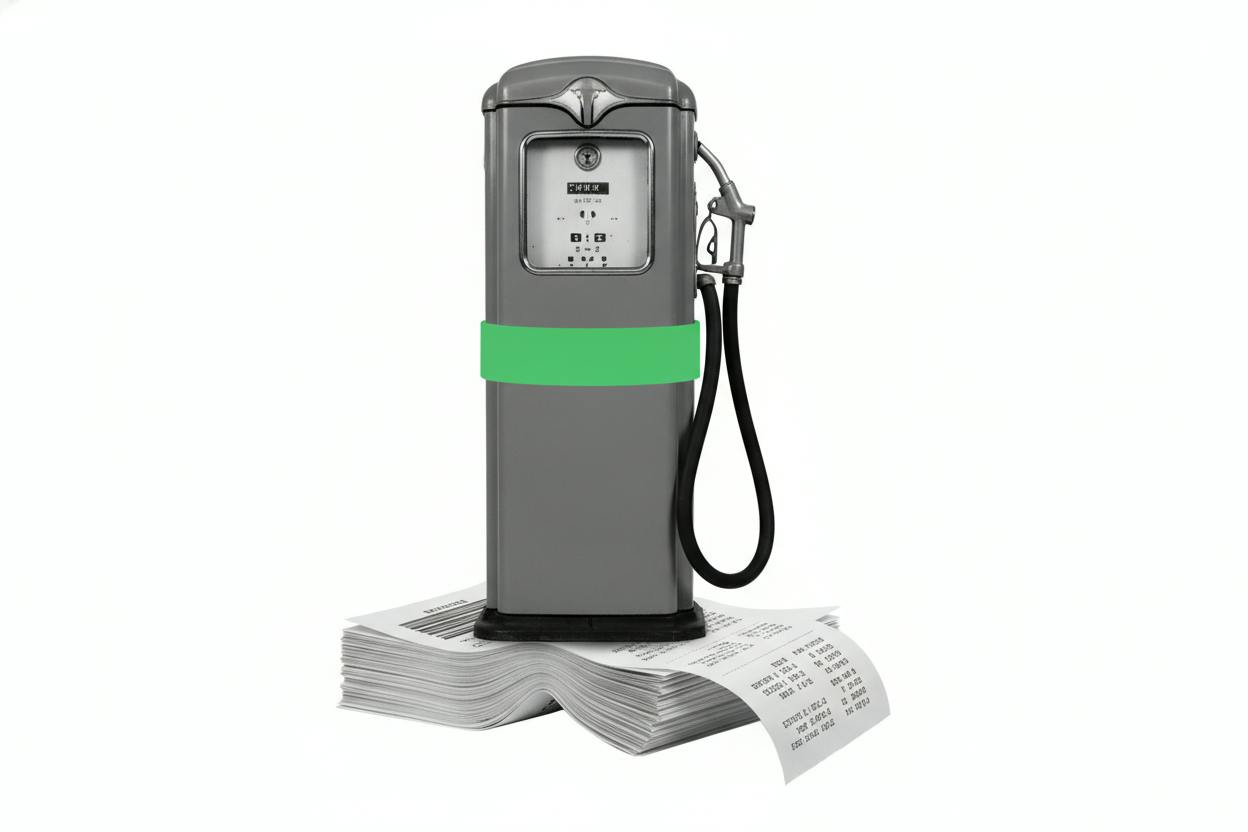
US retail sales rose 0.8% in September, coming in well above what economists had expected, according to the Census Bureau. But a closer look at the details shows that a big chunk of that headline gain came from Americans paying more at the gas pump rather than buying more things.
Gasoline-station receipts jumped 6.4% for the month, a classic case where rising spending reflects higher prices rather than stronger demand. When fuel gets more expensive, every fill-up costs more, and that shows up in the retail sales data as increased spending even if drivers are buying the same number of gallons — or fewer.
The 0.8% overall increase was slower than August's upwardly revised 1.3% gain, but it still comfortably beat forecasts. The headline number is one of the most closely watched gauges of the American consumer, who drives roughly two-thirds of US economic activity. So when it comes in hot, markets pay attention.
What's really going on beneath the headline
Retail sales measure the dollar value of goods and services sold at stores and restaurants. Because they're reported in dollar terms, they don't automatically adjust for price changes. That's why a month with rising gasoline prices can look like a month of robust consumer spending, even when households are actually getting less for their money.
Strip out the pump and the picture looked steadier. Spending at restaurants and bars rose 1.1%, a category that tends to reflect discretionary choices and is often viewed as a cleaner read on consumer confidence. Electronics cooled off, and auto-related sales barely moved. Those are the kinds of categories where a genuine pickup in demand would show up — and they didn't.
This is a pattern that has shown up repeatedly in recent economic data: energy costs distorting the headline numbers. Producer inflation jumped in September as energy costs surged, and that same dynamic is now showing up in what consumers pay at the pump. The two reports together tell a consistent story: energy is doing a lot of the work in the inflation data right now.
Why this matters for the Fed — and your money
The Federal Reserve has been trying to bring inflation back toward its 2% target while keeping the job market intact. A retail sales report that beats expectations can cut both ways. On one hand, it suggests the consumer is still spending, which supports economic growth. On the other, if spending is being driven by higher prices rather than more purchases, it complicates the inflation picture.
Investors have been parsing every data point for clues about the Fed's next move on interest rates. Wall Street was watching retail sales and producer prices closely for exactly this reason. A hot retail number alongside rising energy costs could give policymakers reason to stay cautious about cutting rates too quickly.
For everyday investors, the takeaway isn't to react to a single month's data. It's to understand what's driving it. If higher gas prices are eating into household budgets, that leaves less room for spending on other things — which eventually shows up in corporate earnings, especially for retailers and consumer-facing companies.
What to watch next
- Gasoline prices: If fuel costs keep climbing, expect more months where retail sales look strong on paper but weak underneath.
- Restaurant and bar spending: This category is a useful barometer of whether consumers still feel confident enough to spend on extras.
- Inflation reports: Energy-driven price increases can bleed into broader inflation measures, which the Fed watches closely.
- Consumer sentiment surveys: These capture how households feel about their finances, which often diverges from the hard spending data.
The broader market backdrop has been choppy, with investors rotating between sectors as they weigh inflation risks against growth. Stocks have been rotating from tech into defensives as producer prices jumped, a sign that investors are positioning for a world where inflation stays sticky for longer.
None of this means the consumer is in trouble. It means the headline number deserves a second look. A 0.8% gain in retail sales sounds like a confident shopper. But when a 6.4% jump in gas-station receipts is doing much of the lifting, the real story is that higher energy costs are starting to pinch household budgets — and that's something investors should keep on their radar.