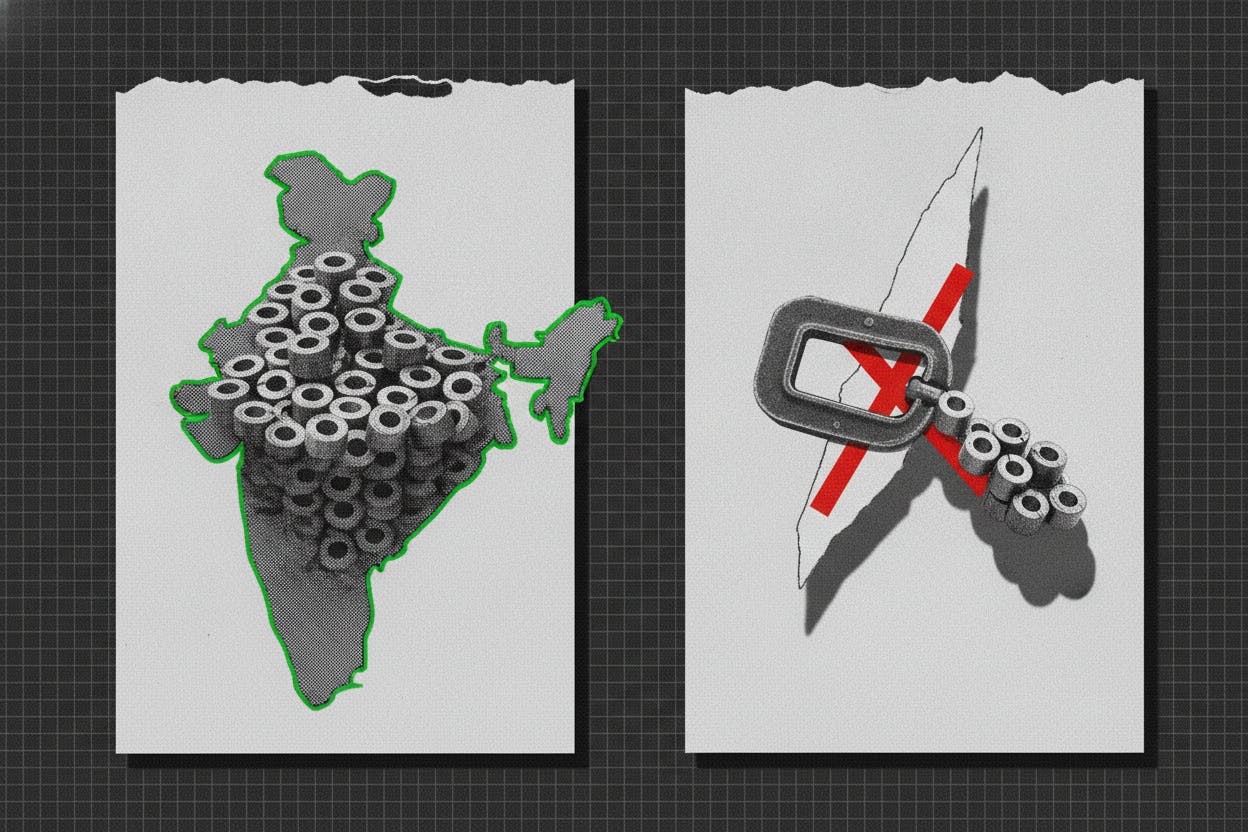
Vedanta, the Indian mining and metals giant, has reported a tale of two quarters. Its domestic operations posted record production volumes for zinc and copper, while its international business saw a sharp decline, partly due to the closure of the Strait of Hormuz.
Record Domestic Output
For the quarter ended June 30, Vedanta's India zinc business achieved a mined-metal record of 268,000 tons. This marks a new high for the company's first-quarter production. Meanwhile, its India copper sales rose 3% from a year earlier to 53,000 tons, the highest level in eight years. These figures underscore the strength of Vedanta's core Indian operations, which benefit from robust domestic demand and favorable mining conditions.
The company's performance in India comes amid a broader rally in Indian stocks, supported by lower oil prices and expectations of interest rate cuts. For context, lower oil prices reduce input costs for energy-intensive industries like metals, while rate cuts can stimulate economic activity and demand for commodities.
Overseas Weakness
Outside India, the picture was markedly different. International mined zinc production fell 14% to 48,000 tons, driven by the approaching end of life at the Black Mountain mine in South Africa. This decline highlights the challenges Vedanta faces in maintaining output from aging assets abroad.
International copper rod sales also dropped, following the closure of the Strait of Hormuz. The strait, a critical chokepoint for global oil and gas shipments, was temporarily shut due to geopolitical tensions, disrupting maritime trade routes. This disruption affected Vedanta's ability to ship copper rod to international customers, leading to lower sales volumes.
The Strait of Hormuz closure also had broader implications for global energy markets, as seen in recent oil price slides. For Vedanta, the event underscores the vulnerability of its international supply chains to geopolitical risks.
What It Means for Investors
For everyday investors, Vedanta's split results highlight the importance of geographic diversification—and its risks. The company's strong Indian operations provide a buffer against overseas headwinds, but the international decline shows that even large miners are not immune to mine depletion and shipping disruptions.
Investors should watch how Vedanta manages its international assets, particularly the Black Mountain mine, and whether it can offset declining output with new projects. The company's reliance on Indian demand also ties its fortunes to the health of the domestic economy, which has been supported by strong foreign inflows into Indian bonds and stocks.
Additionally, the Strait of Hormuz disruption serves as a reminder of how geopolitical events can impact commodity prices and company earnings. While Vedanta's Indian operations are less exposed to such risks, its international business remains vulnerable.
Overall, Vedanta's quarterly update suggests that its near-term growth will likely come from India, while its international segment faces headwinds. For investors, this means focusing on the company's ability to sustain domestic momentum and manage overseas challenges.