Indian mining and metals giant Vedanta reported a 9% rise in second-quarter net profit, as higher prices for zinc and copper more than offset a sharp jump in its raw material bill. The company's net profit came in at 36.50 billion rupees for the three months ended September 30th, up 9.11% from a year earlier, while revenue surged 57% to 258.12 billion rupees.
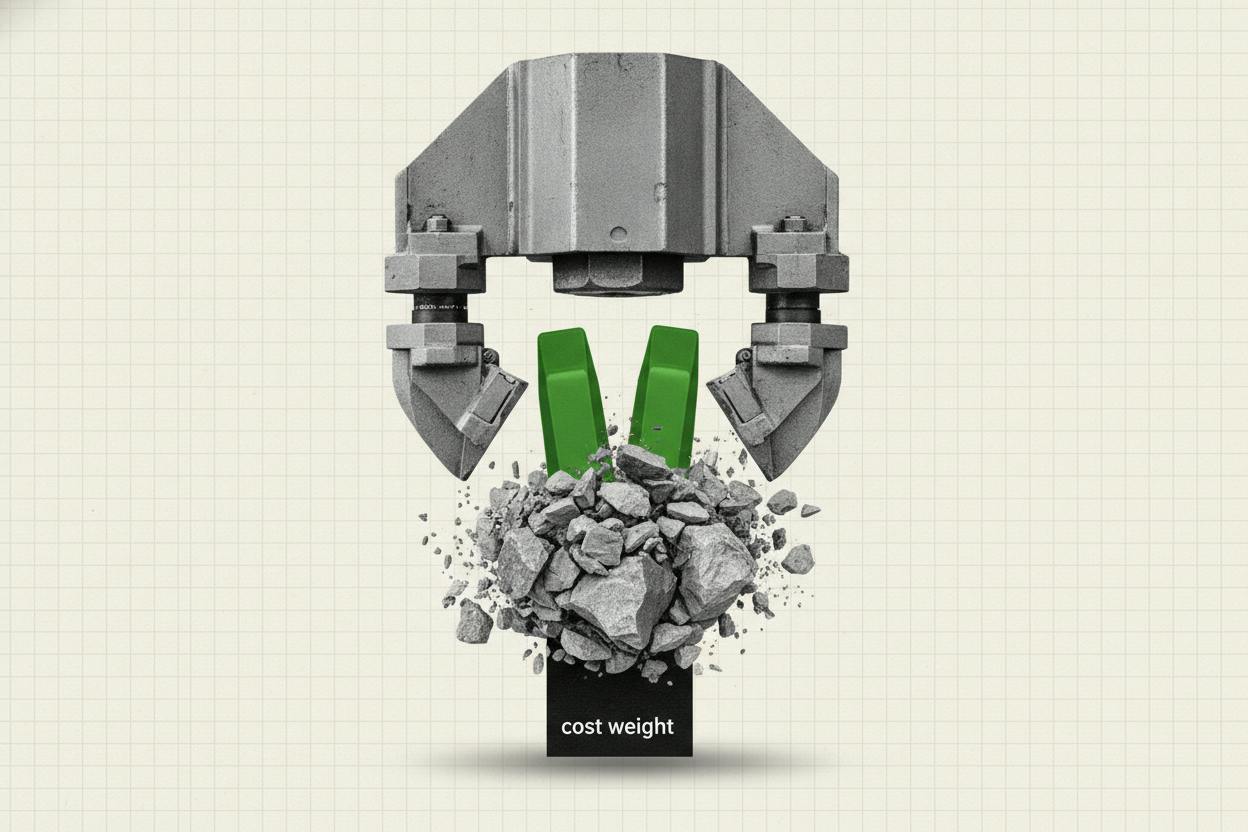
The standout figure was the expansion in net profit margin, which climbed to 24% from 13% a year ago. That improvement came even as raw material costs rose 42.5% and total expenses increased by nearly 34%. The key driver: stronger realized prices for base metals, which gave Vedanta more pricing power in the quarter.
Why metal prices matter so much
For a miner like Vedanta, profitability is heavily tied to the prices it can fetch for the metals it produces. According to analyst firm Jefferies, spot zinc prices rose about 35% from a year earlier, while copper gained roughly 44%. Those moves directly boosted revenue from Vedanta's India zinc and lead segment, which jumped 59.5%.
The reason higher metal prices can lift profits faster than costs is a concept called operating leverage. Many of a miner's costs—such as labor, power contracts, and maintenance—do not rise and fall in lockstep with commodity prices. When selling prices jump, a larger share of the extra revenue flows straight to the bottom line. That is what happened this quarter: even with input costs up sharply, the margin more than doubled.
But operating leverage cuts both ways. If zinc and copper prices retreat, margins can compress just as quickly, because costs tend to adjust more slowly than selling prices. That is a risk investors should keep in mind, especially given how much of Vedanta's growth is now coming from its base metals segment.
What it means for investors
For everyday investors, Vedanta's results are a reminder that mining stocks are often more volatile than their revenue numbers suggest. A company can report strong sales growth, but the real swing factor is usually the price of the underlying commodity. When prices are rising, profits can outpace revenue; when they fall, the opposite happens.
The 24% margin shows how a 35% move in zinc can outrun a 42.5% jump in costs. But it also means that earnings expectations—and analyst estimates for the stock—are increasingly tied to where zinc and copper prices go next, not just to how well Vedanta executes on its operations.
Investors should watch global demand for metals, particularly from China, which is the world's largest consumer of industrial metals. Any slowdown there could weigh on prices and, in turn, on Vedanta's margins. Conversely, supply disruptions or stronger-than-expected demand could keep prices elevated and support profitability.
Vedanta's performance also fits into a broader theme in the mining sector. Companies with exposure to base metals have generally benefited from firm commodity prices, though they also face higher input costs. The ability to convert higher prices into wider margins is a sign of pricing power, but it is not guaranteed to last.
For those considering an investment in Vedanta or similar miners, the key takeaway is to understand the commodity cycle. These stocks can deliver strong returns when prices are rising, but they can also suffer sharp declines when the cycle turns. Diversification across sectors and asset classes can help manage that risk.
Vedanta's next earnings report will be closely watched for any signs of margin pressure, especially if metal prices cool. Until then, the company's latest numbers show how a favorable pricing environment can boost profitability even in the face of rising costs.