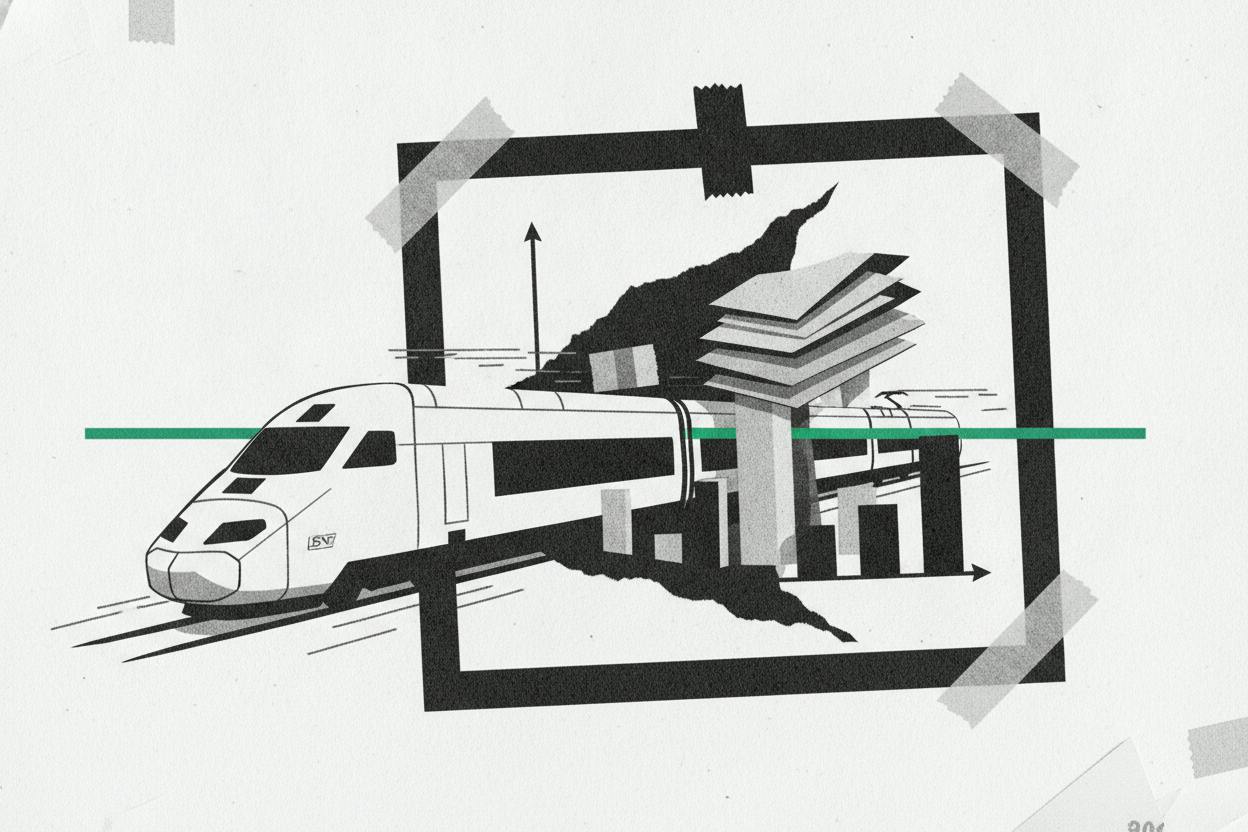
French infrastructure group Vinci has moved to majority ownership of LISEA, the company that holds the concession for a high-speed rail line in France. The deal, announced on November 26th, lifts Vinci's stake to 50.04% and values LISEA's equity at €2.1 billion.
Crossing the 50% threshold is more than a symbolic milestone. It typically gives Vinci control over LISEA's board-level decisions and, crucially, the right to consolidate the concession in its financial statements. That means LISEA's revenue, expenses, and debt can start appearing inside Vinci's reported numbers.
Why consolidation matters
For a diversified builder like Vinci, rail concessions are attractive because they generate long-term, contract-backed cash flows. These can smooth out the ups and downs of more cyclical construction work, which tends to swing with the economy and project pipelines.
But consolidation also changes how investors read Vinci's accounts. Infrastructure cash flows often look steadier than construction earnings, but concession financing can make leverage ratios appear higher, even if the underlying asset's cash generation is predictable. In other words, this kind of stake increase is as much about how a group presents its mix of earnings and balance-sheet risk as it is about owning a few extra percentage points of a project.
What it means for investors
Once Vinci moved above 50%, it likely gained the ability to consolidate LISEA, pulling more of the concession's long-duration cash flows into group results. That can make Vinci look a bit more like an infrastructure owner and a bit less like a pure construction contractor, which markets often value differently.
The tradeoff is transparency on the other side of the balance sheet: project-level borrowing tied to the rail line can become more prominent in Vinci's reported debt and leverage metrics, shaping how investors judge financial flexibility.
For everyday investors, the key takeaway is that this deal is not just about owning a bigger slice of a rail line. It's about how Vinci's financial picture evolves. A company that consolidates a concession will show higher revenue and more predictable cash flows, but also more debt. That can affect valuation multiples and how analysts assess risk.
Investors should watch how Vinci reports its next few quarters to see the full impact of consolidation. They may also want to consider how this fits with the broader trend of infrastructure assets becoming a bigger part of large builders' portfolios, as seen in other recent moves across the sector.
Vinci's move comes amid a busy period for corporate updates in France and the Benelux region, with several companies announcing strategic shifts. While this deal is specific to Vinci, it highlights the ongoing appeal of infrastructure assets that offer steady, long-term returns.
For those tracking European infrastructure and construction stocks, this development is a reminder that balance-sheet structure can be just as important as operational performance. A company's reported debt and cash flow can change significantly based on how it accounts for its stakes in projects like LISEA.