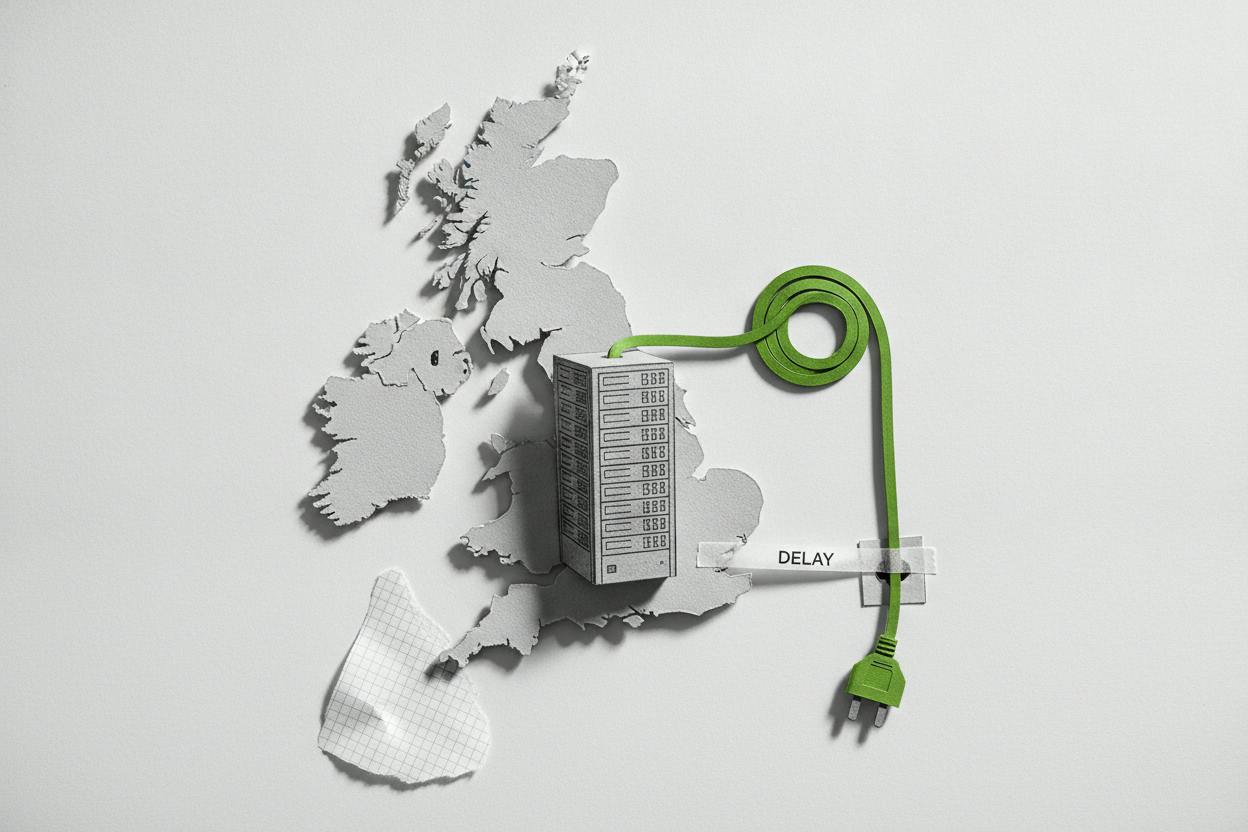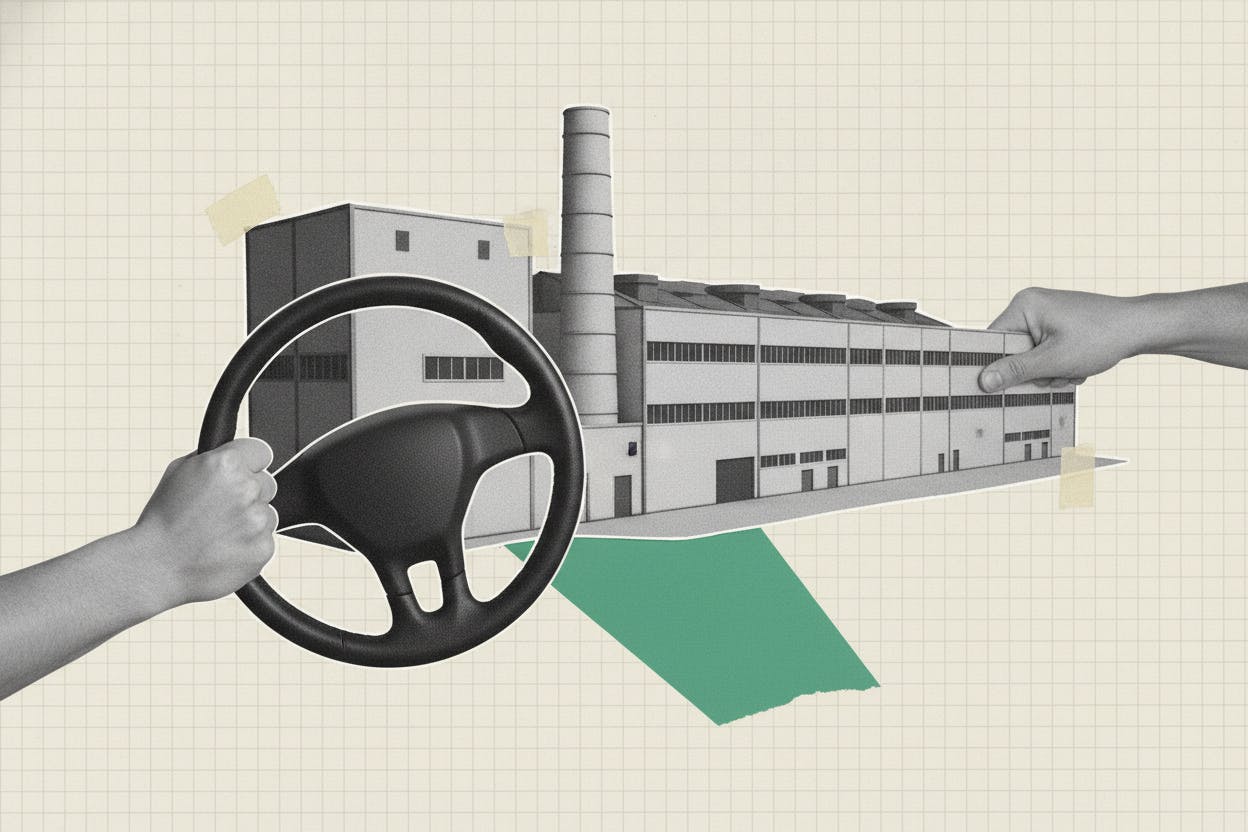
Volkswagen may be stepping back from direct control of its planned battery factory in Spain, according to a report from Spanish trade publication La Tribuna de Automoción. The report says the German automaker is in advanced discussions with China's Gotion High-Tech about forming a joint venture that would give Gotion a majority stake in the Sagunto gigafactory near Valencia.
What the reported deal looks like
Under the current plan, Volkswagen's battery subsidiary PowerCo was set to develop and operate the Sagunto site. The reported joint venture would change that structure: a new entity would own the factory, with Gotion holding the majority share and PowerCo becoming a minority partner. Neither Volkswagen nor Gotion has confirmed the talks publicly.
The Sagunto plant is part of Volkswagen's broader push to secure its own supply of batteries for electric vehicles (EVs). Batteries are the most expensive component of an EV, and automakers have been racing to lock in production capacity to avoid supply bottlenecks and reduce costs.
Why this matters for Volkswagen's EV plans
Volkswagen has been investing heavily in battery production across Europe, with planned gigafactories in Germany, Spain, and Eastern Europe. The Sagunto facility was announced in 2022 with an estimated investment of around €3 billion and was expected to create thousands of jobs. Giving up majority control would mark a significant shift in strategy for the carmaker, which has emphasized vertical integration as a way to control costs and secure supply chains.
Gotion High-Tech is already a partner of Volkswagen: the German automaker is a major shareholder in the Chinese battery maker, holding about 26% of its shares. Gotion supplies batteries to Volkswagen and other automakers, and it has been expanding its global footprint, including plans for a factory in Illinois. The reported deal would deepen that partnership and give Gotion a direct foothold in European battery production.
For context, the global battery market is dominated by Chinese companies like CATL and BYD, which together control more than half of the market. European and American automakers have been trying to build their own battery supply chains to reduce dependence on Chinese suppliers, but progress has been slow. The reported deal highlights the tension between that goal and the practical need for Chinese expertise and scale.
What it means for investors
For Volkswagen shareholders, the reported deal raises questions about the company's battery strategy. If confirmed, it would suggest that Volkswagen is willing to share control of a key asset in exchange for access to Gotion's technology and manufacturing know-how. That could speed up the Sagunto plant's development but also reduce Volkswagen's direct control over its battery supply.
For Gotion, taking a majority stake in a European gigafactory would be a major step in its international expansion. It would give the Chinese company a production base inside the European Union, which could help it navigate trade barriers and local content requirements for EVs sold in Europe. The EU has been investigating Chinese subsidies for battery makers, and a factory in Spain could help Gotion avoid potential tariffs.
The broader backdrop is a European EV market that is growing but facing headwinds. Sales of electric cars in Europe rose 14% in the first half of 2024 compared to the same period last year, according to industry data, but the pace has slowed from earlier growth rates. Automakers are also dealing with higher interest rates, which make car loans more expensive, and competition from cheaper Chinese EV imports.
Investors should watch for official confirmation of the deal and details on the ownership structure. If the joint venture goes ahead, it could signal a new model for how Western automakers partner with Chinese battery suppliers. It could also affect the outlook for other planned battery factories in Europe, including those from Spain's Acciona Energia and other energy companies that have been exploring battery investments.
For everyday investors, the key takeaway is that the EV supply chain is still being built, and partnerships between Western automakers and Chinese battery makers are likely to become more common. That could mean lower costs for EVs over time, but also more complexity in supply chains and potential regulatory risks. As always, it's worth keeping an eye on how these deals affect the companies you own or are considering.