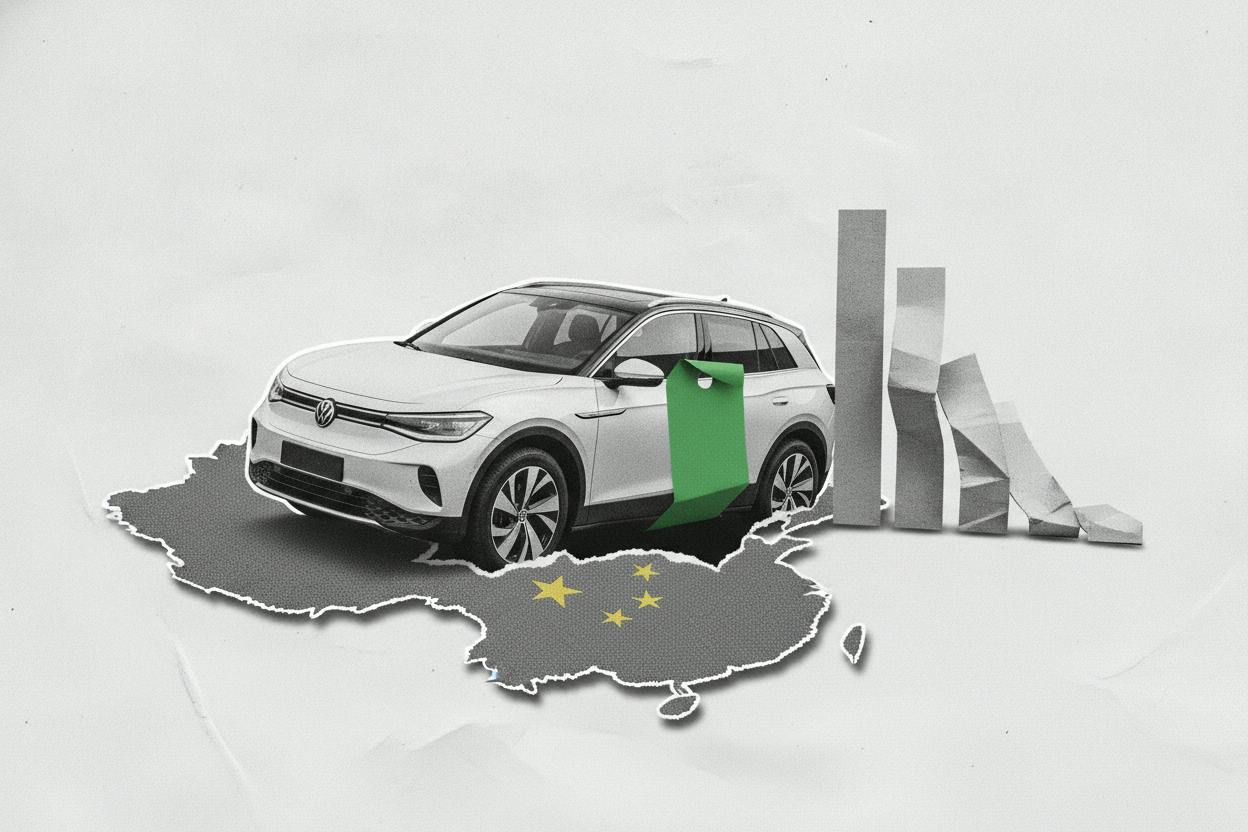
Volkswagen's plan to reclaim ground in China's electric vehicle market through a partnership with local EV maker Xpeng is hitting a rough patch. According to a Reuters report, the ID. UNYX 08—an electric SUV developed under that collaboration—averaged just 267 monthly sales from April through August. That is a fraction of Volkswagen's internal target of 3,622 units per month.
The model was meant to be a shortcut: instead of building a new EV from scratch for Chinese buyers, Volkswagen would tap into Xpeng's technology and local expertise. But the early numbers suggest the shortcut is not landing as hoped.
Why the ID. UNYX 08 matters
China is the world's largest car market and the biggest market for electric vehicles. For decades, Volkswagen was a dominant player there, thanks to its popular combustion-engine models. But the rapid shift to EVs—led by domestic brands like BYD, Nio, and Xpeng itself—has eroded that position. Foreign automakers have struggled to keep up with the pace of innovation, especially in software and smart features that Chinese consumers increasingly expect.
The ID. UNYX 08 is part of Volkswagen's effort to change that. By partnering with Xpeng, Volkswagen aimed to combine its own manufacturing scale and brand recognition with Xpeng's EV platform and technology. The SUV is sold under Volkswagen's ID. series, which is its dedicated electric lineup.
But the sales figures tell a sobering story. Averaging 267 units a month means the model is barely registering in a market where popular EVs routinely sell tens of thousands of units monthly. The gap between actual sales and the 3,622-unit target is enormous—more than 13 times the current pace.
What's behind the weak sales?
The brief doesn't specify the reasons, but the broader context offers clues. China's EV market is fiercely competitive, with dozens of models vying for buyers. Price wars have broken out repeatedly, and consumers have become more discerning, often favoring brands that offer cutting-edge tech, long range, and seamless digital experiences.
Volkswagen's ID. series has faced criticism in China for its software and user interface, which some reviewers have found less intuitive than offerings from local rivals. The ID. UNYX 08, despite being co-developed with Xpeng, may still carry some of those legacy weaknesses. Additionally, the model sits in a crowded segment of mid-size electric SUVs, where competition is especially intense.
There's also the question of brand perception. While Volkswagen remains a trusted name in China, younger buyers—who are driving EV adoption—often see domestic brands as more innovative and better aligned with their preferences. Foreign brands, even with local partnerships, can struggle to shed an image of being behind the curve.
What it means for investors
For investors, the weak sales are a reminder that even well-capitalized automakers with strong partners can stumble in China's EV market. Volkswagen's broader strategy in China—which includes multiple EV models and partnerships—depends on gaining traction with products like the ID. UNYX 08. If sales don't improve, it could weigh on Volkswagen's overall profitability and its ability to compete globally, as China is a key profit center for the company.
For Xpeng, the partnership is also significant. The company has been working to expand its reach and establish itself as a technology provider, not just a carmaker. If the ID. UNYX 08 fails, it could cast doubt on the value of such collaborations for Xpeng's business model.
Investors should also consider the broader picture. China's EV market is still growing, but growth has slowed from the explosive rates of a few years ago. China's recent economic data shows that exports are doing much of the heavy lifting, while domestic consumption remains uneven. That could affect car sales, especially for higher-priced EVs.
Meanwhile, Beijing has held lending rates steady, signaling a cautious approach to stimulus. That means there's unlikely to be a quick government boost to consumer spending that might lift car sales.
Looking ahead
Volkswagen is not giving up on China. The company has announced plans to launch more models with Xpeng and to invest heavily in local R&D. But the ID. UNYX 08's slow start raises questions about whether those plans will pay off.
For investors, the key metric to watch is monthly sales. If the ID. UNYX 08 can climb toward its target, it would signal that the partnership is gaining traction. If not, Volkswagen may need to rethink its approach—and that could have implications for its stock and its global EV strategy.
In the meantime, the story serves as a cautionary tale about the challenges of entering or re-entering China's EV market. Even with a local partner, success is far from guaranteed. As Chinese tech companies like Huawei and DeepSeek push forward with their own innovations, the competitive pressure on foreign automakers is only likely to intensify.
For everyday investors, the takeaway is simple: keep an eye on how Volkswagen and Xpeng respond. Their next moves—whether price cuts, new models, or marketing pushes—will tell you a lot about the health of this partnership and the broader EV landscape in China.