When Western Midstream Partners reports third-quarter results, investors will be watching one thing closely: how the newly acquired Brazos system is performing now that it has been in the portfolio for a full quarter. According to a note from UBS, the numbers may be mixed—softer commodity prices are expected to weigh on earnings, but Brazos should help cushion the blow.
What UBS expects
UBS projects Western Midstream will report third-quarter earnings before interest, taxes, depreciation, and amortization (EBITDA) of $724 million, a slight dip from the $737 million it posted in the second quarter. The decline, the bank says, reflects more "normalized" commodity prices—meaning prices that have settled back from recent highs.
For context, EBITDA is a common measure of a company's operating performance, stripping out financing and accounting decisions to show how much cash the core business generates. For a pipeline operator like Western Midstream, it's a key metric investors use to gauge health.
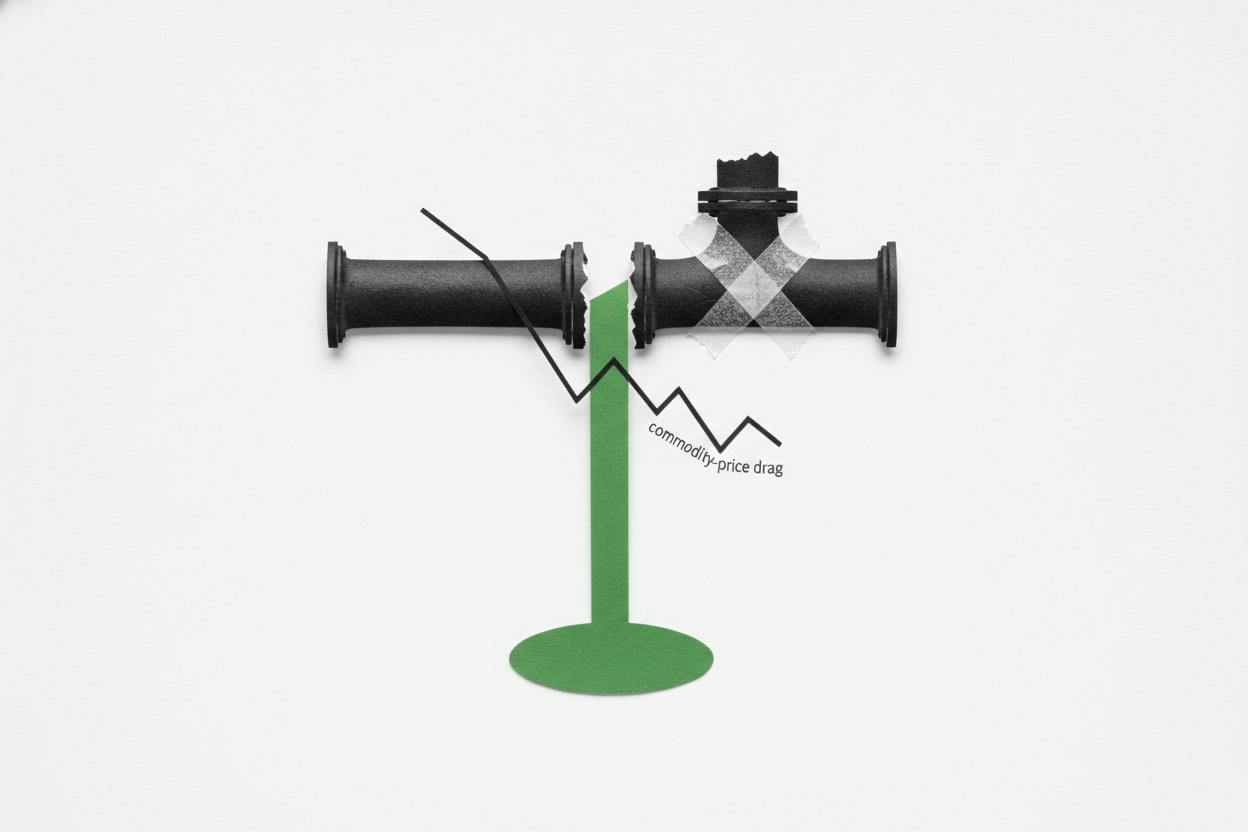
The Brazos acquisition, which closed earlier this year, adds a network of natural gas gathering and processing assets in the Permian Basin, one of the most active oil and gas regions in the U.S. In the third quarter, those assets will contribute a full three months of results for the first time. That should provide a meaningful boost, even if it isn't enough to offset the commodity price drag entirely.
Why commodity prices matter
Western Midstream is what's known as a midstream company—it operates the pipelines and processing plants that sit between oil and gas wells and the refineries or export terminals that buy their output. Unlike drillers, midstream firms typically earn fees for moving volumes, so their revenue is less tied to the price of oil or gas. But many contracts include some exposure to commodity prices, either through percentage-of-proceeds deals or minimum volume commitments that adjust with prices.
When commodity prices are high, midstream companies often see a bump in revenue. When they cool off, as UBS expects they did in the third quarter, that can translate into slightly lower EBITDA. The bank's forecast suggests the pullback is modest, not a dramatic swing.
For everyday investors, the takeaway is that Western Midstream's results will reflect a mix of factors: the new Brazos assets ramping up, and the broader energy market settling into a more normal range. Neither is a red flag, but together they explain why the quarter might look a bit softer than the previous one.
What to watch on the earnings call
The upcoming earnings call will be the first chance for management to discuss Brazos in detail. Investors will want to hear about volumes moving through the system, whether the assets are meeting expectations, and any signs of integration challenges. They'll also be listening for guidance on the rest of the year, especially how management views commodity price trends.
UBS's note suggests the market is already pricing in a slight decline, so the reaction may hinge on whether the actual numbers beat or miss that forecast. If Brazos delivers more than expected, it could offset some of the commodity headwinds. If it underperforms, the stock could feel pressure.
Western Midstream is a master limited partnership (MLP), a structure that distributes most of its cash flow to unitholders. That means its results matter not just for the stock price but for the distributions investors receive. A dip in EBITDA doesn't automatically mean a cut, but sustained weakness could raise questions about future payouts.
What it means for investors
For those who own Western Midstream or are considering it, the key is to watch the trend, not just one quarter. The Brazos acquisition is a bet on long-term growth in Permian production, and a single quarter of results won't tell the whole story. But it will offer an early read on whether the deal is delivering as promised.
Commodity prices are always a wildcard for energy-related investments. As oil prices have shown recently, they can swing on geopolitical news and supply shifts. For midstream companies, the impact is usually muted compared to producers, but it's still a factor.
Investors should also keep an eye on broader energy trends. If natural gas prices stay soft, that could pressure volumes or margins at Brazos. Conversely, if production in the Permian keeps climbing, the new assets could become a bigger driver of growth.
Ultimately, the third-quarter report is a checkpoint, not a verdict. It will show whether Western Midstream can integrate a major acquisition while navigating a less favorable commodity environment. For patient investors, the longer-term picture—steady fee-based cash flows and a growing asset base—may matter more than any single quarter's EBITDA.
As always, it's worth remembering that analyst estimates are just forecasts. Actual results can differ, and the market's reaction often depends on how they compare to expectations. The earnings call will provide the color behind the numbers, and that's where the real insight will come from.