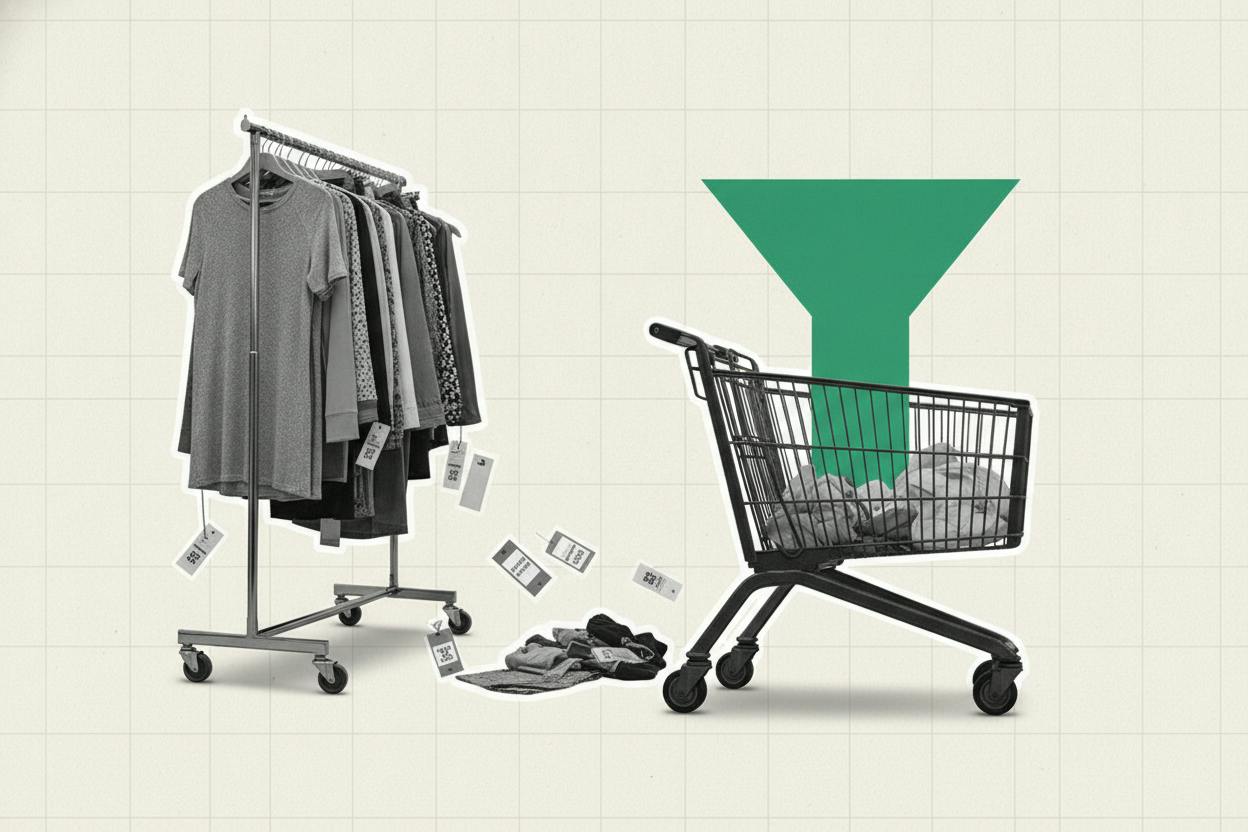
As inflation continues to squeeze household budgets, a trio of off-price retailers is poised to keep outperforming, according to Bank of America. The bank's analysts say Burlington, TJX Companies, and Ross Stores could remain “relative winners” in the second half of the year, as shoppers increasingly prioritize deals over brand loyalty.
Off-price retailers—sometimes called discount or bargain retailers—sell brand-name merchandise at prices well below traditional department stores. They buy excess inventory, cancelled orders, and closeout goods from manufacturers and other retailers, then pass those savings on to customers. This model has made them a natural haven for consumers looking to stretch their dollars.
Why these chains are standing out
Bank of America's view is that the current economic backdrop plays directly into the hands of these companies. With inflation keeping prices elevated on everyday essentials like food, rent, and gas, many households have less discretionary income to spend on clothing, home goods, and other non-essentials. That shift in spending behavior tends to benefit retailers that offer recognizable brands at a discount.
The three names highlighted—Burlington, TJX, and Ross—are among the largest off-price players in North America. TJX operates chains like T.J. Maxx, Marshalls, and HomeGoods, while Ross and Burlington run their own networks of discount stores. All three have built loyal customer bases by offering a constantly changing assortment of merchandise at prices that undercut traditional retailers.
Bank of America's note suggests these companies could keep gaining market share even if overall consumer spending slows. The reasoning: when shoppers feel the pinch, they don't stop buying clothes or home items entirely—they just become more selective about where they shop. Off-price stores become a default choice for many.
The broader retail picture
The analysts' optimism comes at a time when the retail sector is showing mixed signals. Some higher-end retailers have reported softening demand, while discount and value-oriented chains have generally fared better. This divergence reflects a consumer base that is increasingly trading down—opting for cheaper alternatives across categories.
Inflation data has been a key driver of this behavior. Recent reports have shown price pressures persisting, even as some categories cool. For instance, Canada's inflation ticked up to 3.1% partly due to higher gas prices, a reminder that the cost-of-living squeeze is far from over. Similarly, oil price surges have revived inflation fears in global markets, keeping central banks on alert.
For everyday investors, the takeaway is that the off-price retail segment may continue to be a relative bright spot in an otherwise uneven consumer environment. While no stock is a sure bet, the structural advantages of these chains—flexible inventory sourcing, low operating costs, and a value-focused customer base—position them well for the current cycle.
What it means for investors
Bank of America's call is not a recommendation to buy any specific stock, but rather an observation about which companies are likely to hold up better than peers. For investors, it offers a lens into how consumer spending is shifting and where opportunities might lie.
One key factor to watch is how these retailers manage their inventory. Off-price chains thrive when they can buy goods cheaply, which often happens when other retailers have excess stock. In an environment where many traditional stores are struggling to clear inventory, off-price players can swoop in and secure merchandise at favorable prices, boosting their margins.
Another consideration is the competitive landscape. While Burlington, TJX, and Ross are leaders, they face competition from online discounters and other value-oriented formats. Still, their physical store networks and established supply chains give them an edge that is hard to replicate quickly.
Investors should also keep an eye on consumer confidence and inflation trends. If price pressures ease significantly, shoppers might return to higher-end stores, potentially slowing the off-price momentum. Conversely, if inflation stays sticky, these retailers could keep winning.
As the second half unfolds, earnings reports from these companies will offer more clues. Analysts will be watching same-store sales, customer traffic, and profit margins to gauge whether the off-price tailwind is sustainable.
For now, Bank of America's assessment adds to a growing narrative: in a world of persistent inflation, the bargain hunters are having their moment. And for investors, understanding that shift is key to navigating the retail sector.



