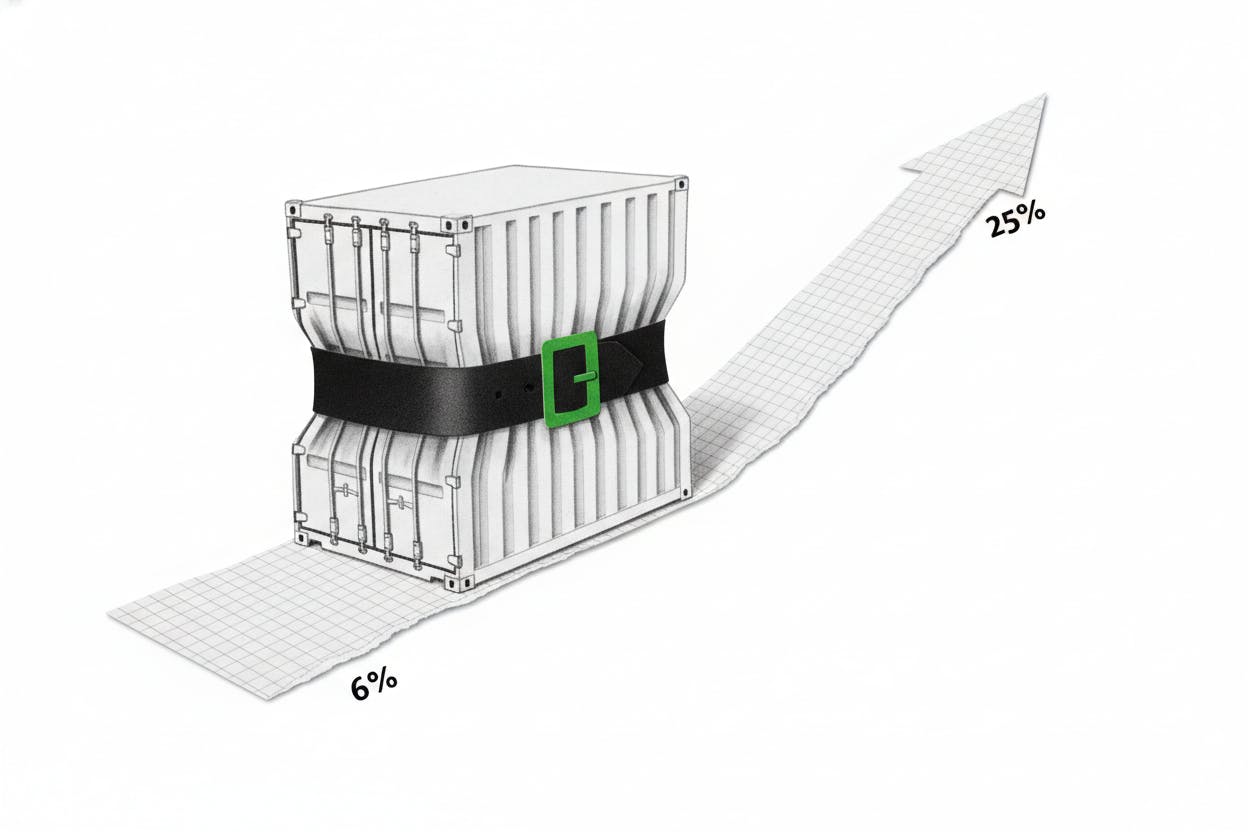
WiseTech Global, the Australian logistics software company, saw its shares tumble nearly 8% on Wednesday after RBC Capital Markets weighed in on the company's fiscal 2027 guidance. The analyst's take: the numbers point less to a growth push and more to a period of cost discipline.
RBC said the guidance implies roughly flat costs and a slowdown in growth for CargoWise, WiseTech's flagship freight and logistics platform. That combination suggests the company may be entering a phase where it prioritizes efficiency and margin protection over aggressive expansion.
What is WiseTech and why does it matter?
WiseTech Global is a major player in the software that powers global freight forwarding and logistics. Its CargoWise platform helps companies manage the movement of goods across borders, handling everything from customs documentation to shipment tracking. The company has grown rapidly over the past decade, riding the wave of globalization and the increasing digitization of supply chains.
For investors, WiseTech has been a growth story. Its software is deeply embedded in the operations of many of the world's largest logistics providers, and the company has consistently expanded its customer base and revenue. That growth has been a key driver of its stock price, which has climbed significantly since its listing.
So when RBC points to a slowdown in CargoWise growth, it's a notable shift. The platform has been the engine of WiseTech's success, and any sign that its expansion is cooling can spook investors who have come to expect steady double-digit growth.
The shift to cost control
RBC's commentary suggests that WiseTech's management is signaling a more conservative approach for fiscal 2027. Instead of pouring money into new products, acquisitions, or aggressive sales pushes, the company may be looking to hold the line on expenses. That could mean tighter budgets, a slower pace of hiring, or a more selective approach to investment.
This kind of pivot is not unusual for high-growth companies as they mature. After years of rapid expansion, many firms eventually reach a point where the focus shifts from growth at all costs to profitability and cash flow. For WiseTech, that might mean the market should expect a more measured trajectory.
The stock's nearly 8% drop on Wednesday reflects the market's reaction to this perceived change in tone. Investors who bought into the growth narrative may be recalibrating their expectations, and the sell-off suggests some are disappointed by the prospect of slower growth.
What this means for investors
For everyday investors, the key takeaway is that WiseTech's future may look different from its past. The company is still a profitable and important player in logistics software, but the days of explosive growth may be winding down. That doesn't necessarily make it a bad investment, but it does change the calculus.
Growth investors, who are willing to pay a premium for companies that are expanding quickly, may find WiseTech less appealing if growth is set to slow. On the other hand, value-oriented investors might see an opportunity if the stock price adjusts to reflect a more modest outlook.
It's also worth noting that RBC's analysis is just one firm's view. Other analysts may have different interpretations of the guidance, and the company itself will provide more details when it reports its full results. Investors should watch for any updates from WiseTech on its actual spending plans and CargoWise growth trajectory.
This situation echoes other companies that have signaled a shift from growth to cost discipline. For instance, Intuit's growth push comes with softer fiscal 2027 sales outlook, showing that even tech giants are navigating similar trade-offs. Similarly, RBC trims H&M forecasts as costs rise in second half, highlighting how cost pressures are affecting companies across sectors.
For WiseTech, the next few quarters will be crucial. Investors will be looking for signs of whether the cost-control phase is temporary or a longer-term strategy. They'll also be watching to see if the slowdown in CargoWise growth is a blip or a trend.
The broader context
WiseTech operates in a competitive landscape. Logistics software is a growing market, but it's also becoming more crowded. New entrants and established players are all vying for market share, and technology is evolving rapidly. Companies like WiseTech need to keep innovating to stay ahead, but that requires investment.
If WiseTech is pulling back on spending, it could risk losing ground to competitors. However, it could also be a smart move if the company believes it can achieve its goals with less capital. The balance between growth and profitability is a delicate one, and WiseTech's management will need to navigate it carefully.
For now, the market's reaction suggests that investors are cautious. The stock's decline on Wednesday is a reminder that even well-regarded companies can face volatility when their outlook changes. As always, it's important for investors to do their own research and consider their own financial goals before making any decisions.
In the coming months, all eyes will be on WiseTech's earnings reports and any additional guidance from management. The company's ability to execute on its cost-control strategy while maintaining customer satisfaction will be key to its performance. And for investors, understanding the shift from growth to cost control will be essential to evaluating the stock's potential.