Wix, the website-building platform, delivered better-than-expected second-quarter revenue and a strong free cash flow performance, according to analysts at Wedbush. However, the company's margins remain under pressure, and the growing influence of artificial intelligence—particularly a trend called “vibe coding”—is keeping the full-year outlook in focus.
What happened
Wedbush, a financial services firm, noted that Wix's revenue topped forecasts for the quarter, and free cash flow came in strong. Free cash flow is the money a company generates from its operations after accounting for capital expenditures—a key measure of financial health because it shows how much cash is available for reinvestment, debt repayment, or returning to shareholders.
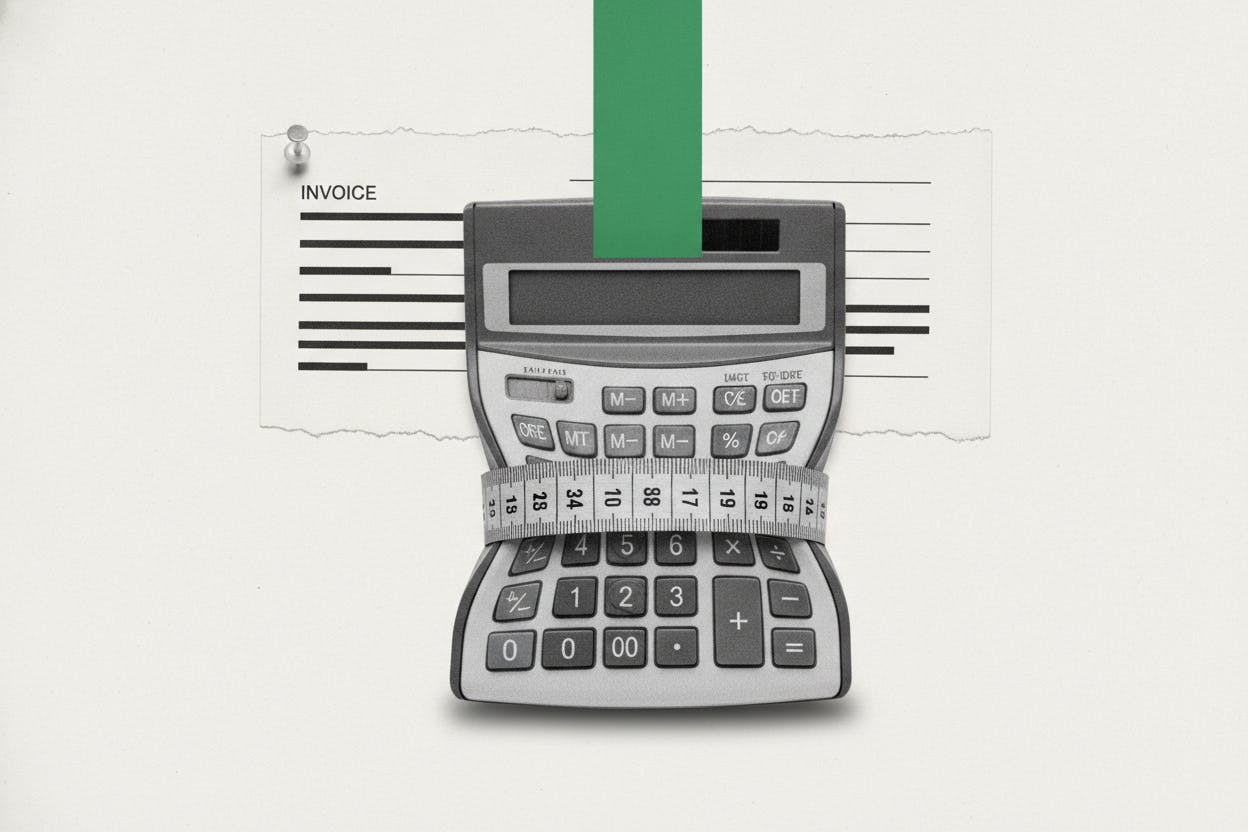
Despite the revenue beat, margins “the portion of each dollar of sales that a company keeps as profit—did not show the same strength. This suggests that while Wix is bringing in more money, it may be spending more to do so, or that its product mix is shifting toward lower-margin offerings.
The AI factor: ‘vibe coding’
A significant part of the conversation around Wix's outlook involves AI-driven changes in how people build websites. One emerging trend is “vibe coding,” a term used to describe creating software or websites using natural language prompts with AI assistance, rather than writing code line by line. For Wix, this could be a double-edged sword: it may attract more users who want to build sites quickly and easily, but it could also reduce the need for traditional web development services, potentially affecting pricing power or the value of premium features.
Wedbush's commentary suggests that these AI shifts are a key reason why the full-year outlook remains a focus. Investors are watching to see whether Wix can turn AI adoption into sustained revenue growth without sacrificing profitability.
Why margins matter
For a software-as-a-service company like Wix, margins are a critical metric. High-margin businesses can scale revenue without proportional cost increases, which often leads to expanding profits and higher valuations. When margins wobble, it can signal that the company is facing higher costs, increased competition, or a shift toward less profitable revenue streams.
In Wix's case, the margin pressure may stem from investments in AI capabilities, marketing spend, or the mix of customers choosing lower-priced plans. While a revenue beat is positive, investors typically want to see both top-line growth and margin stability to feel confident about long-term earnings power.
What it means for investors
For everyday investors, the key takeaway is that Wix is growing, but the quality of that growth is being scrutinized. A company can beat sales estimates and still disappoint if margins shrink, because lower margins can mean less profit per dollar of revenue.
Investors should also consider the broader context. Wix operates in the competitive website-building and e-commerce space, where AI tools are rapidly changing the landscape. Companies that successfully integrate AI to enhance their offerings could gain a competitive edge, while those that merely react may see their margins squeezed.
Wedbush's note highlights that free cash flow is strong, which is a positive sign for financial stability. But the full-year outlook will depend on how Wix manages the balance between growth and profitability in an AI-driven environment.
Looking ahead
As the year progresses, investors will likely watch for updates on Wix's AI initiatives and how they affect both user growth and monetization. The company's ability to maintain or improve margins while navigating these shifts will be crucial.
For those holding Wix stock, the mixed signals—strong revenue and cash flow but shaky margins—suggest a period of transition. For potential investors, it's a reminder that headline numbers can be misleading without a closer look at the underlying profitability.
In the broader tech sector, similar dynamics are playing out. Companies like Tower Semiconductor and Cummins have also seen AI-related demand boost sales while profits lag, underscoring that AI's impact on margins is a widespread theme.
Ultimately, Wix's story is one of growth amid transformation. The company is adapting to a world where AI is changing how websites are built, but it must do so without eroding the profitability that investors value.