Advertising giant WPP is preparing to cut up to 1,000 more jobs by the end of the year, according to a Financial Times report, as new CEO Cindy Rose pushes forward with a sweeping restructuring. The centrepiece of the plan is folding three of its biggest agencies—Ogilvy, VML, and AKQA—into a single unit called “WPP Creative.”
The move is the latest sign of how artificial intelligence is reshaping the marketing industry. WPP is trying to convince major clients that it can deliver AI-powered campaigns more efficiently than they could build themselves. But the restructuring also means significant job losses, adding to a wave of layoffs that has already hit the sector.
What’s behind the restructuring?
WPP has long been one of the world’s largest advertising and public relations firms, owning dozens of agencies that serve global brands. But the industry has been under pressure for years as clients demand more digital and data-driven work, and as tech platforms like Google and Meta have taken a larger share of ad budgets.
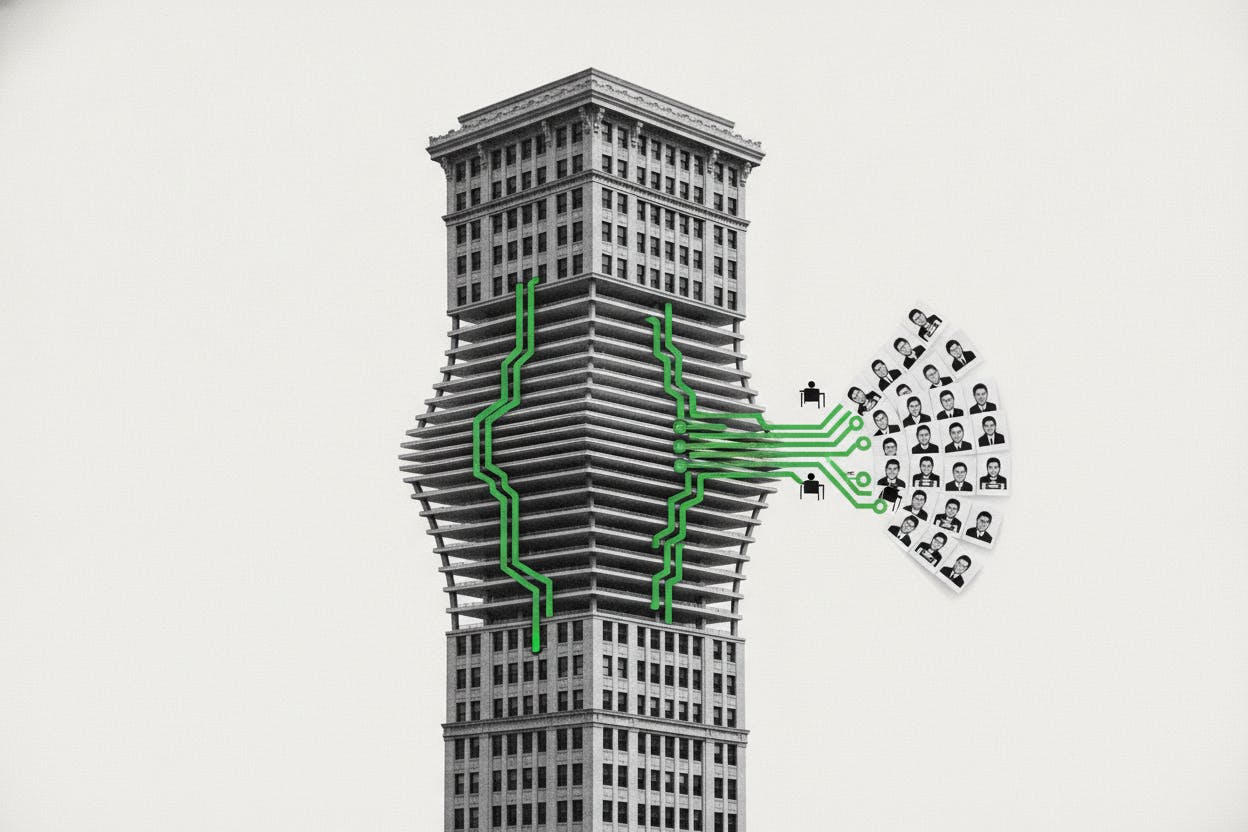
The rise of generative AI has intensified that pressure. Tools that can write copy, generate images, and even produce video are making some traditional agency work faster and cheaper—and some companies are wondering whether they need outside help at all. By merging Ogilvy, VML, and AKQA into one unit, WPP hopes to streamline its operations, reduce duplication, and offer clients a single, tech-savvy partner.
CEO Cindy Rose, who took the helm recently, has made restructuring a priority. The job cuts are part of a broader effort to cut costs and reposition WPP for an AI-first era. The company has not confirmed the exact number of layoffs, but the FT report puts the figure at up to 1,000 by year-end.
What it means for investors
For shareholders, the news is a double-edged sword. On one hand, cost-cutting and consolidation can boost margins and make the company more competitive. On the other, repeated layoffs can signal that revenue growth is hard to come by, and they can hurt morale and creativity—the very things agencies sell.
Investors will be watching to see whether WPP can actually deliver on its AI strategy. The company has been investing in AI tools and partnerships, but it faces stiff competition from tech giants and from smaller, nimbler agencies that have already embraced AI. If WPP can show that its new structure leads to better client retention and new business wins, the stock could benefit. If not, the job cuts may be seen as a sign of deeper trouble.
The broader advertising market is also a factor. When companies tighten their budgets, marketing is often one of the first areas to be cut. So WPP’s fortunes are tied to the health of the global economy. A slowdown could force even more cost-cutting, while a rebound could give the company breathing room.
What to watch next
Investors should keep an eye on WPP’s next earnings report for details on the restructuring costs and any updated guidance. They’ll also want to hear how many clients are signing up for AI-driven services and whether the new “WPP Creative” unit is winning new business.
It’s also worth watching how other ad agencies respond. If WPP’s restructuring proves successful, rivals like Publicis and Omnicom may follow suit, which could reshape the entire industry. On the other hand, if clients continue to move work in-house, even a leaner WPP may struggle to grow.
For everyday investors, the key takeaway is that WPP is making a big bet on AI and efficiency. That bet could pay off, but it comes with real risks—including the loss of experienced talent and the challenge of integrating three very different agency cultures. As always, it’s important to consider how this fits into your overall portfolio and risk tolerance.
In the meantime, the job cuts are a reminder that even established companies are not immune to the forces of technological change. The advertising industry is being transformed, and WPP is trying to stay ahead of the curve—even if that means making some painful choices along the way.