Xiaomi, the Chinese consumer electronics giant, reported a third-quarter adjusted net profit of 4.9 billion yuan (about $680 million), falling short of the 5.2 billion yuan analysts had expected, according to LSEG data cited by Reuters. The miss came as revenue slipped 5.2% year-on-year to 107.2 billion yuan, and the company's Hong Kong-listed shares closed down 3.7% on the day.
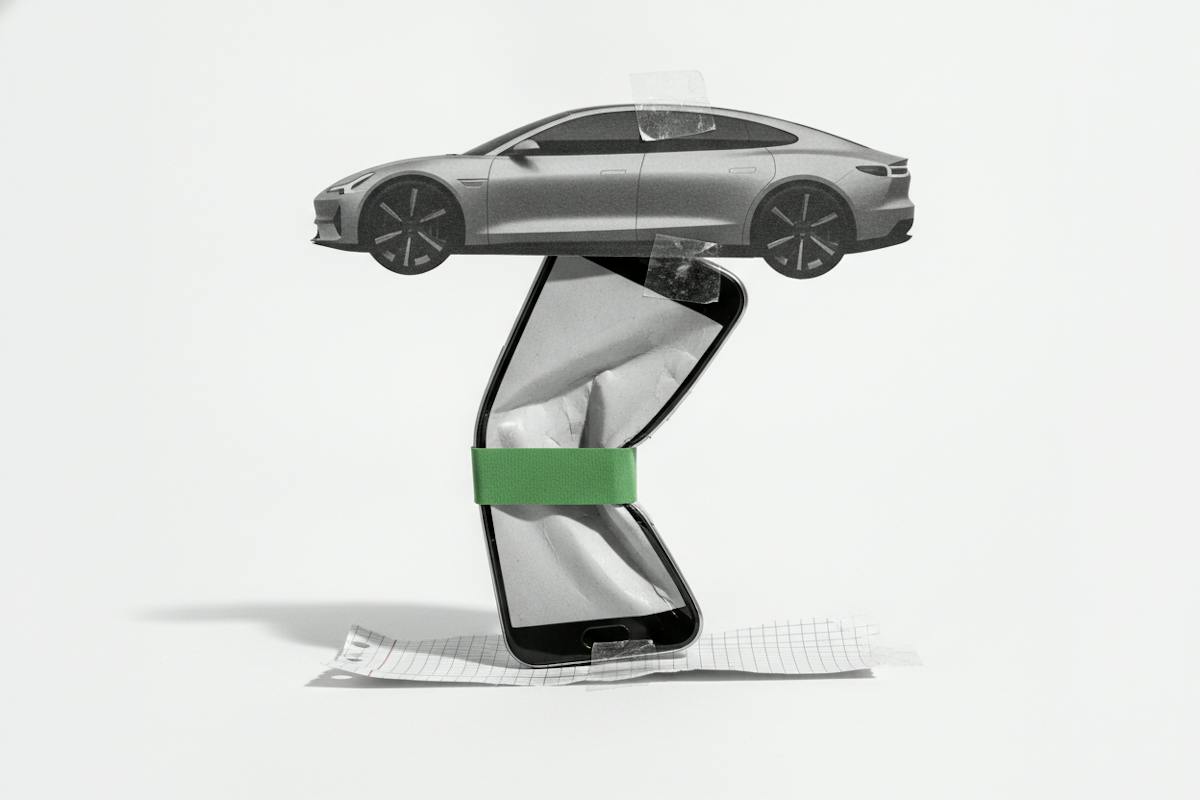
The results highlight a familiar squeeze for the company: its ambitious electric vehicle (EV) business is still losing money, while its core smartphone division—historically the main profit engine—is delivering less to cushion the blow.
EV losses deepen
Xiaomi's EV revenue fell 19.9% in the quarter, and its AI and New Energy Vehicle (NEV) segment posted an operating loss of 3.4 billion yuan. That's a significant drag on overall profitability, especially as the company ramps up production and expands its vehicle lineup.
The company entered the crowded Chinese EV market in 2024 with its SU7 sedan, aiming to compete with established players like BYD and Tesla. But the sector is marked by intense price competition and thin margins, and Xiaomi—like many newcomers—is finding that scaling up costs money before profits can follow.
This isn't unique to Xiaomi. Other EV makers have faced similar pressures, as we've seen with Leapmotor's record sales failing to lift profit due to shrinking margins. The pattern is common: rapid growth in volume doesn't always translate into bottom-line gains.
Phone business under pressure
Meanwhile, Xiaomi's smartphone business—which still accounts for the bulk of its revenue—is facing softer demand. The global phone market has been sluggish, with consumers holding onto devices longer and upgrading less frequently. That's a headwind for any handset maker, and Xiaomi is no exception.
The company has tried to offset this by pushing into higher-end devices and expanding its ecosystem of smart home products, but the core phone segment remains the key profit driver. When that weakens, the overall picture dims.
What it means for investors
For everyday investors, Xiaomi's quarter is a reminder that diversification into new businesses doesn't always pay off quickly. The EV venture is a long-term bet, but it's currently burning cash and weighing on earnings. Investors need to weigh the potential upside of the EV business against the near-term drag on profitability.
The stock's 3.7% drop reflects the market's disappointment, but it's worth noting that Xiaomi still has a strong balance sheet and a loyal customer base. The company's ability to manage costs and eventually turn its EV unit profitable will be key to future performance.
Looking ahead, investors will likely watch for updates on EV delivery numbers, any signs of margin improvement in the phone business, and whether the company can control its spending. The broader Chinese consumer market also matters—if spending picks up, both phones and EVs could benefit.
For context, other companies in similar positions—like CMB.Tech's strong quarter or HPE's AI-driven growth—show how different sectors can diverge. But Xiaomi's story is more about execution in a tough environment.
As always, this is not a recommendation to buy or sell. It's about understanding the risks and opportunities. Xiaomi's EV bet could pay off handsomely if it gains traction, but it's not there yet. Investors should keep an eye on the company's quarterly reports and any strategic announcements.