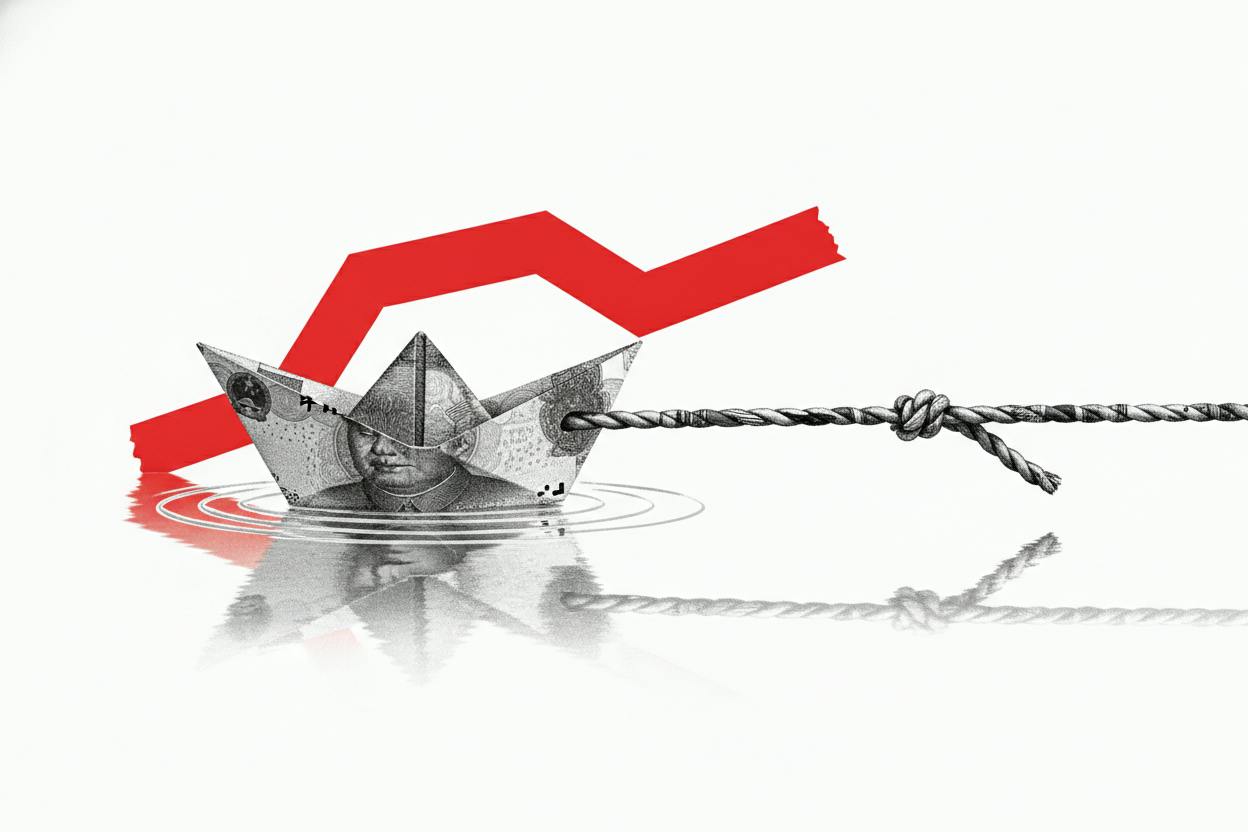
China's yuan steadied in Monday's onshore trading after two consecutive 0.4% swings in overnight sessions last week. But analysts say the calm may be temporary, with a strong US dollar and jumpier global markets likely to keep the currency on edge.
The back-to-back moves came during the night session, when trading liquidity is thinner. That means the same burst of buying or selling can push prices further than it would during China's daytime session, amplifying volatility.
Why the dollar is so strong
The dollar's "safe-haven" appeal has been a key driver. When investors feel nervous about global markets, they often park money in US dollars, which tends to strengthen the currency. That nervousness has been fueled by wobbling tech stocks, ongoing geopolitical tensions, and debate over how long US interest rates will stay elevated.
The dollar index is near its highest level since April 2025, a sign of how much momentum the greenback has built. A stronger dollar typically puts pressure on other currencies, including the yuan, as investors shift funds into US assets.
The offshore yuan (CNH) reacts faster to overseas headlines than the onshore rate, making it more sensitive to global risk sentiment. That's why the recent volatility has been most visible in after-hours trading.
What the 0.4% swings mean
Those 0.4% moves matter less as a signal that the yuan is headed in one direction, and more as a warning that volatility is back. In currency markets, bigger swings quickly feed into implied volatility—the market's estimate of how much a currency might move—which is a key input for option pricing.
When implied volatility rises, the cost of hedging against currency moves goes up. That affects CNH options and short-dated forwards, even if the daytime onshore rate looks calm. Companies and investors with near-term US dollar payments or receipts feel the impact first, as their hedging budgets and collateral requirements can change quickly when after-hours trading gets jumpy.
For everyday investors, this is a reminder that currency markets can be unpredictable, and that hedging costs can rise when volatility spikes. It's not a signal to make any sudden moves, but it's worth watching if you have exposure to Chinese assets or trade with Chinese companies.
What to watch next
Investors will be watching whether the dollar's strength continues, and whether global risk sentiment improves. If tech stocks stabilize and geopolitical tensions ease, the yuan could find firmer footing. But if the dollar keeps climbing and markets stay jittery, more choppy trading is likely.
The broader picture is that currency volatility is a natural part of global markets, and the yuan is no exception. For those with international exposure, understanding how volatility affects hedging costs is more important than trying to predict the next move.
Related stories: dollar slips from 19-month high and China stocks slip on global jitters.