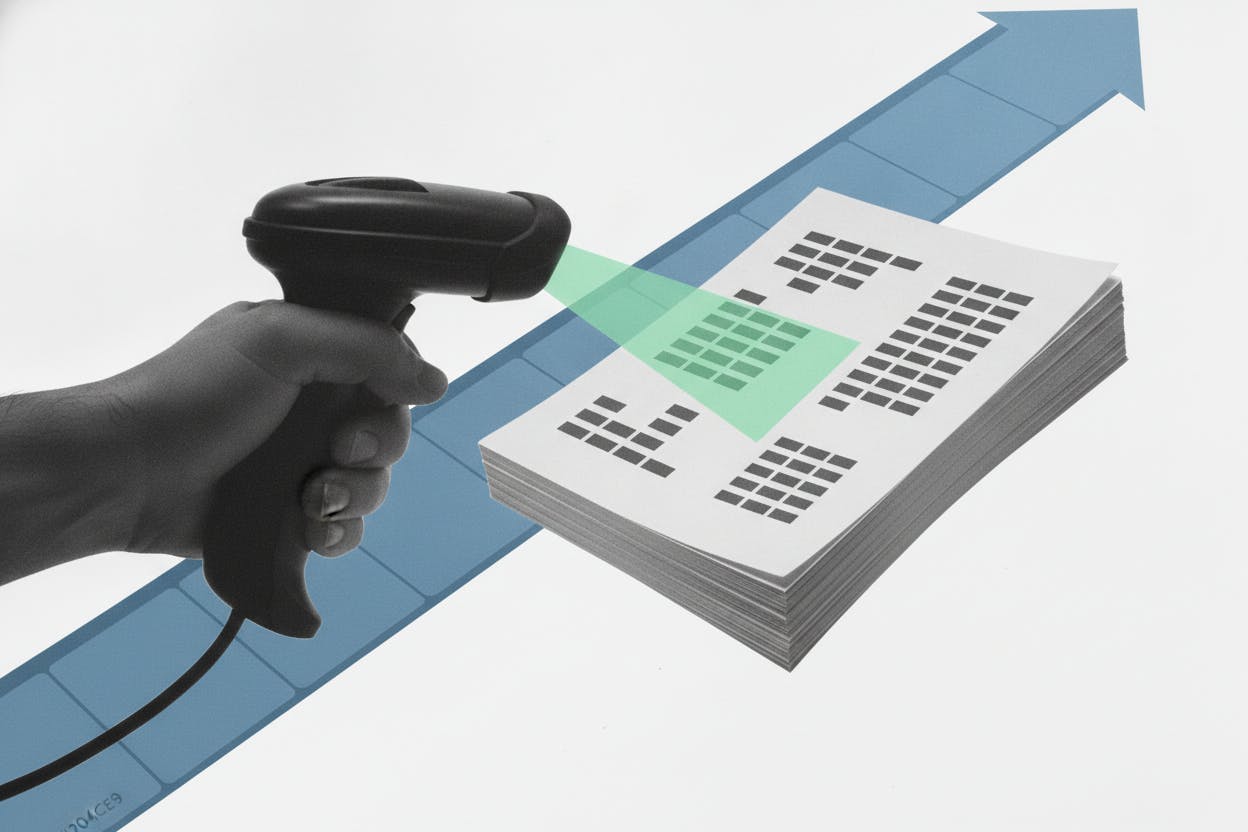
Zebra Technologies, the company behind the barcode scanners and industrial printers that keep warehouses and retail stores running, delivered a second-quarter earnings beat and raised its full-year profit forecast. The move signals that spending on automation and inventory-tracking technology is still holding up even as many businesses tighten their budgets elsewhere.
The Lincolnshire, Illinois-based company now expects adjusted earnings per share of $20.75 to $21.25 for the full year, up from its previous guidance. In the quarter, Zebra reported $1.56 billion in revenue, topping analyst estimates.
Why it matters
Zebra makes the hardware and software that retailers, manufacturers, and logistics companies use to track inventory, manage supply chains, and speed up order fulfillment. Think of the handheld scanners workers use in warehouses, the label printers that produce shipping labels, and the software that ties it all together.
That "make the physical world more efficient" theme has proven resilient. Even as companies in other areas cut back on technology spending, the need to move goods faster and more accurately remains a priority. The rise of e-commerce and the push for faster delivery times have made warehouse automation a long-term investment trend.
The company's upbeat outlook comes as other players in the logistics and industrial technology space show similar strength. For instance, warehouse giant Prologis is acquiring UK rival Segro in a £14.3 billion deal, underscoring the continued demand for distribution space. And Qnity Electronics raised its outlook on AI data-center demand, another sign that technology spending tied to physical infrastructure remains robust.
What it means for investors
For everyday investors, Zebra's guidance raise is a positive signal about the health of the automation and logistics sector. It suggests that companies are still willing to invest in tools that improve efficiency, even in a higher-interest-rate environment where borrowing costs are elevated.
Zebra's products are often seen as a bellwether for the broader industrial economy. When companies buy scanners and printers, it usually means they expect to ship more goods. So a strong quarter from Zebra can be read as a modest vote of confidence in the overall economy.
However, it's worth noting that Zebra's stock has had a strong run in recent years, and the company faces competition from larger tech firms and startups alike. Investors should also consider that the company's guidance could be conservative or optimistic depending on how the economy evolves in the second half of the year.
What to watch next
Investors will be watching whether Zebra can maintain its momentum through the rest of the year. Key factors include the pace of e-commerce growth, supply chain conditions, and whether businesses continue to prioritize automation spending.
Zebra's results also come amid a broader trend of companies raising guidance as they navigate a mixed economic environment. For example, SBA Communications raised its 2026 outlook as carriers keep spending on 5G, and Kimco Realty lifted its full-year forecast on strong shopping center leasing. These moves suggest that certain pockets of the economy are still growing, even as others slow.
For those invested in Zebra or considering it, the key takeaway is that the company is executing well in a challenging environment. But as with any stock, it's important to look at the bigger picture and consider your own financial goals and risk tolerance.