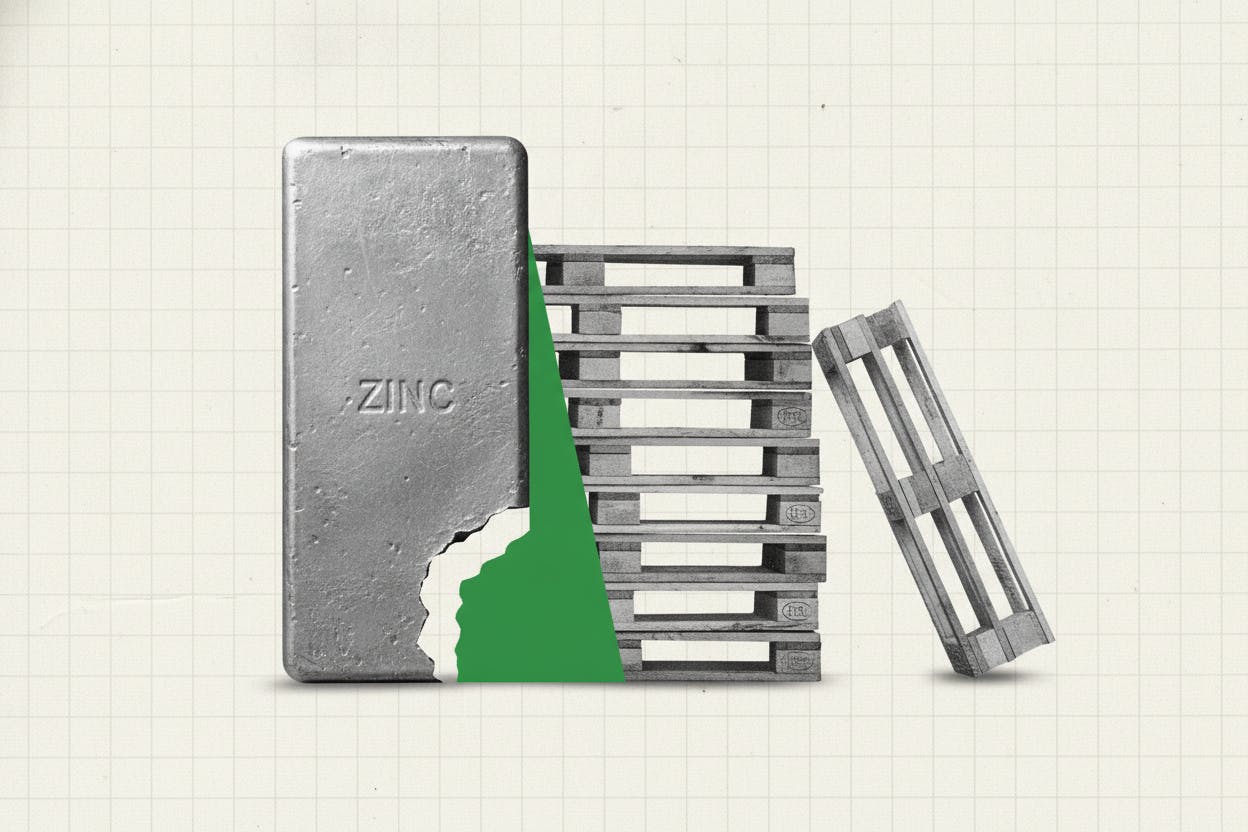
Zinc prices jumped to their highest level in more than four years this week, as traders focused on a sharp drop in the amount of metal available for immediate delivery on the London Metal Exchange (LME). The move came even as copper, often seen as a bellwether for the global economy, slipped back under pressure from a stronger US dollar and rising bond yields.
What happened?
Three-month zinc traded near $4,000 a ton after touching $3,990, its strongest level since May 2022. The catalyst was a sudden tightening in LME warehouse stocks that can actually be delivered to buyers. According to Reuters, “available” zinc stocks fell to 68,250 tons, a drop of 28% in less than a week.
That pool of deliverable metal is what traders can physically take delivery of if they hold a futures contract to expiry. When it shrinks quickly, it signals that supply is tight and that having metal in hand is becoming more valuable. In turn, that pushes prices higher.
The squeeze comes as supplies outside China have tightened, and some demand has shifted toward deliverable brands—metal that meets LME specifications. That combination has drained the exchange’s visible inventory at a rapid pace.
Why does this matter?
Zinc is a key industrial metal, used mainly to galvanize steel to protect it from corrosion. That makes it a barometer for construction, infrastructure, and manufacturing activity. When zinc prices rise, it can signal that demand for these sectors is strong, or that supply is struggling to keep up.
The drop in LME stocks is particularly notable because it suggests that the market is not just seeing a temporary blip. If inventories continue to fall, buyers may have to pay a premium to secure metal, which could feed into higher costs for downstream industries.
At the same time, copper—often called “Dr. Copper” for its ability to forecast economic trends—pulled back. The metal, which is used in everything from wiring to electric vehicles, came under pressure as the US dollar strengthened and bond yields rose. A stronger dollar makes dollar-priced metals more expensive for buyers using other currencies, which can dampen demand. Higher bond yields, meanwhile, can signal expectations of tighter monetary policy or higher borrowing costs, which can weigh on industrial activity.
What it means for investors
For everyday investors, the divergence between zinc and copper is a reminder that commodity markets can move for very different reasons. Zinc’s rally is largely a supply story—a sudden shortage of deliverable metal—while copper’s dip is more about macro pressures like the dollar and yields.
If you hold shares in mining companies, a higher zinc price can boost their earnings, especially for producers with significant zinc exposure. But it’s important to remember that commodity prices are volatile, and a squeeze in warehouse stocks can reverse quickly if more metal is delivered or demand softens.
For those with diversified portfolios, the move is a signal that supply-chain tightness can still appear in unexpected places, even as the broader economy shows signs of cooling. It also highlights how global factors—like the dollar and bond yields—can affect different metals in opposite ways.
Investors will likely watch LME stock data closely in the coming weeks to see whether the decline continues or stabilizes. A continued drawdown could keep zinc prices elevated, while a rebuild in inventories could take the heat out of the rally.
As always, it’s wise to view commodity price moves in the context of your overall investment strategy, rather than reacting to short-term swings. The metals market is complex, and today’s squeeze could be tomorrow’s surplus.



