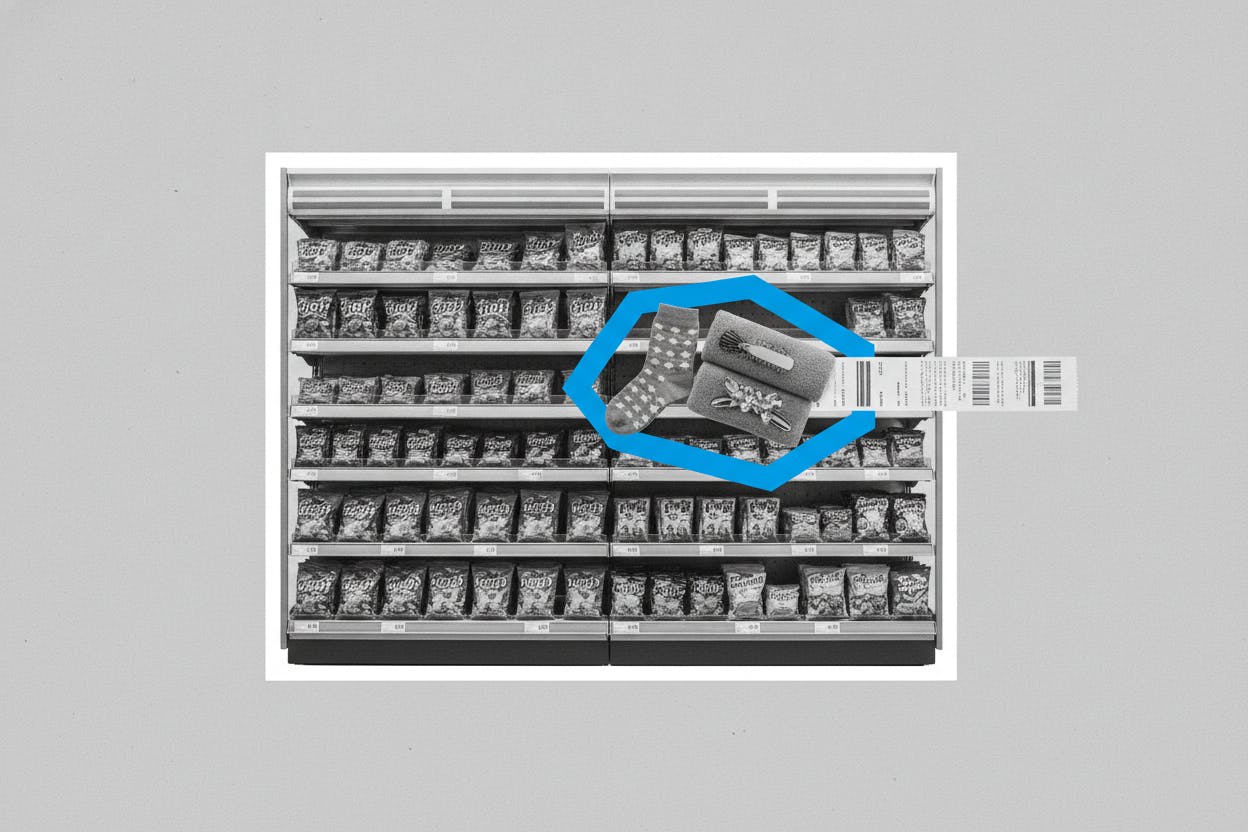
Seven & i Holdings, the Japanese retail giant behind the 7-Eleven convenience store chain, is testing a new way to get younger shoppers through the door: a small line of clothing and accessories. Starting in late September, the company will roll out 23 items—including socks, towels, and hair accessories—in a tie-up with the clothing retailer And ST. Prices will range from 660 yen to 5,390 yen (roughly $4.50 to $37).
The initial launch is modest, but the ambition is not. Seven & i says it eventually wants to bring the range to about 22,000 outlets, which would make it one of the widest distributions of convenience-store apparel anywhere. The company also plans to rotate products and offer limited collaborations—such as Hello Kitty-themed items—to keep shelves feeling fresh and encourage repeat visits.
Why a convenience store is selling clothes
Convenience stores have long relied on quick, low-cost “add-on” purchases—coffee, snacks, phone chargers, umbrellas on a rainy day. Clothing is a natural extension of that model, but it’s also a departure. Most convenience store shoppers are looking for speed and convenience, not a wardrobe refresh. Yet Seven & i is betting that a small, curated selection of basics can become another high-margin impulse buy.
The target demographic is telling: 20- to 40-somethings. That’s a group that has grown up with fast fashion and online shopping, but also one that values convenience. If a shopper can grab a pair of socks or a towel while picking up a coffee and a sandwich, Seven & i hopes they’ll see the store as more than just a pit stop.
The strategy also reflects a broader trend in Japanese retail. Convenience stores are facing stiff competition from discount chains and e-commerce, and they’re looking for ways to differentiate. Clothing is a relatively untapped category that could boost foot traffic and basket size—the average amount spent per visit.
Seven & i isn’t the first to try this. Other convenience store chains in Asia have experimented with apparel, and some have found success with limited runs. But the scale of Seven & i’s ambition—22,000 stores—would be unprecedented. The company is clearly hoping that a steady rotation of products will keep the offering fresh and avoid the risk of stale inventory.
What it means for investors
For investors, this is a small but telling experiment. Seven & i is a massive conglomerate, and a clothing line is unlikely to move the needle on its overall revenue in the near term. But the move signals that management is willing to try new things to defend its core convenience store business, which faces pressure from changing consumer habits and rising costs.
The yen’s recent strength could also play a role. As the yen hits a seven-month high on expectations of more Bank of Japan rate hikes, imported goods become cheaper, but domestic consumer spending may stay cautious. A successful clothing line could help Seven & i capture more of that spending.
Investors should watch how the rollout performs in the coming months. If the initial 23 items sell well and the company expands the range, it could become a meaningful new revenue stream. If not, it’s a low-cost experiment that can be quietly shelved.
There’s also a broader lesson here about the resilience of convenience stores. As other retailers struggle—like Campbell’s, which recently cut its dividend as shoppers trade down to cheaper food—convenience stores are trying to stay relevant by offering more than just food. Whether that works remains to be seen, but it’s a sign that the industry is not standing still.
For everyday investors, the takeaway is simple: Seven & i is a company willing to experiment, and this clothing push is a low-risk way to test new growth. It’s not a reason to buy or sell the stock on its own, but it’s worth keeping an eye on as part of the company’s broader strategy.