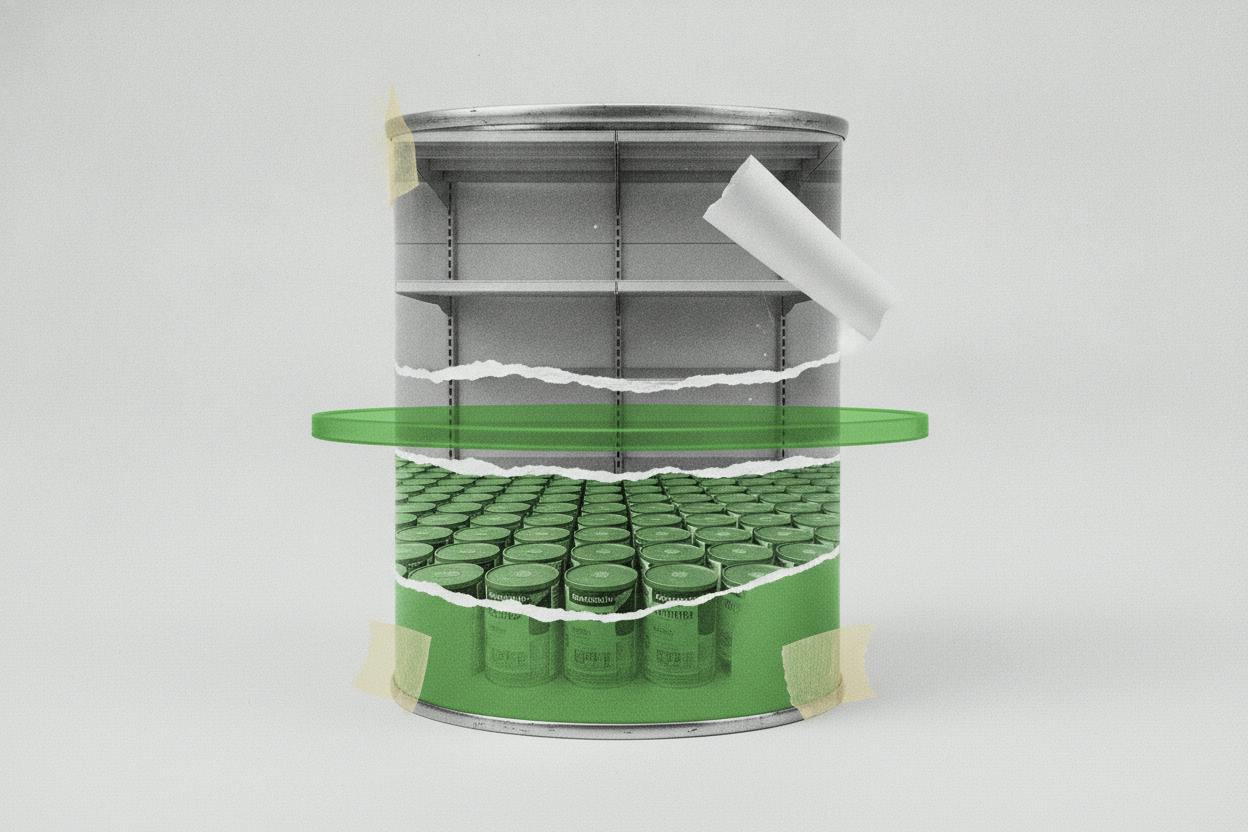
A2 Milk, the New Zealand infant nutrition company, said demand for its China-label baby formula is slowly returning, with in-store sell-through now back to about half of pre-disruption levels. The update offers a glimmer of hope for investors, but the company's annual results still show a sharp decline in profitability.
For the fiscal year, A2 Milk reported a 44% drop in net profit to NZ$113.6 million. The decline was driven by supply-chain disruptions and higher freight costs that squeezed availability of its China-label infant milk formula (IMF), a key product line. Revenue from China-label IMF fell 14% during the period.
What is 'offtake' and why does it matter?
In the infant formula industry, 'offtake' refers to the amount of product that shoppers actually purchase at retail stores, as opposed to shipments from the manufacturer to distributors. It is a closely watched metric because it reflects real consumer demand, rather than just inventory moving through the supply chain.
A2 Milk said offtake has improved from about 40% in August to around 50% today. That means for every unit of China-label formula sold before the disruptions, the company is now selling about half. While still well below pre-disruption levels, the improvement suggests that consumer demand is gradually recovering.
CEO David Bortolussi said the company is encouraged by the trend, though he acknowledged that the recovery is still in its early stages. The company's distribution network in China was hit hard by the disruptions, and rebuilding trust with retailers and parents takes time.
Why the profit fell sharply
The 44% profit decline reflects the combined impact of lower sales and higher costs. Freight costs, which spiked during the pandemic and have remained elevated, ate into margins. Supply-chain bottlenecks also limited the availability of product, which meant A2 Milk could not fully meet demand even as it began to recover.
The company's China-label IMF business is its most important growth driver, and the disruption hit at a time when competition in China's infant formula market is intense. Local brands have been gaining share, and foreign companies like A2 Milk have had to navigate changing regulations and consumer preferences.
What it means for investors
For investors, the key takeaway is that A2 Milk's recovery is underway but still fragile. The improvement in offtake is a positive sign, but the company is far from returning to its pre-disruption sales levels. The profit decline underscores the financial strain of the past year.
Investors should watch whether the offtake recovery continues and whether the company can rebuild its margins as freight costs ease. The company's ability to regain shelf space and consumer trust in China will be critical. A2 Milk's experience also highlights the risks of relying heavily on a single market, especially one as complex and competitive as China.
In the broader context, A2 Milk's struggles are part of a larger trend of foreign infant formula makers facing headwinds in China. Similar supply-chain and regulatory challenges have affected other companies in the region. Meanwhile, consumer spending patterns in China are shifting, which could influence demand for premium baby products.
For everyday investors, the story is a reminder that even well-known brands can face sudden disruptions that hit profits hard. Diversification across markets and products can help mitigate such risks. As always, it's important to look beyond headline numbers and understand the underlying drivers of a company's performance.
A2 Milk's next earnings report will be closely watched to see if the offtake recovery gains momentum and whether profit can start to climb again. The company's ability to navigate the ongoing challenges in China will be a key factor in its future performance.



