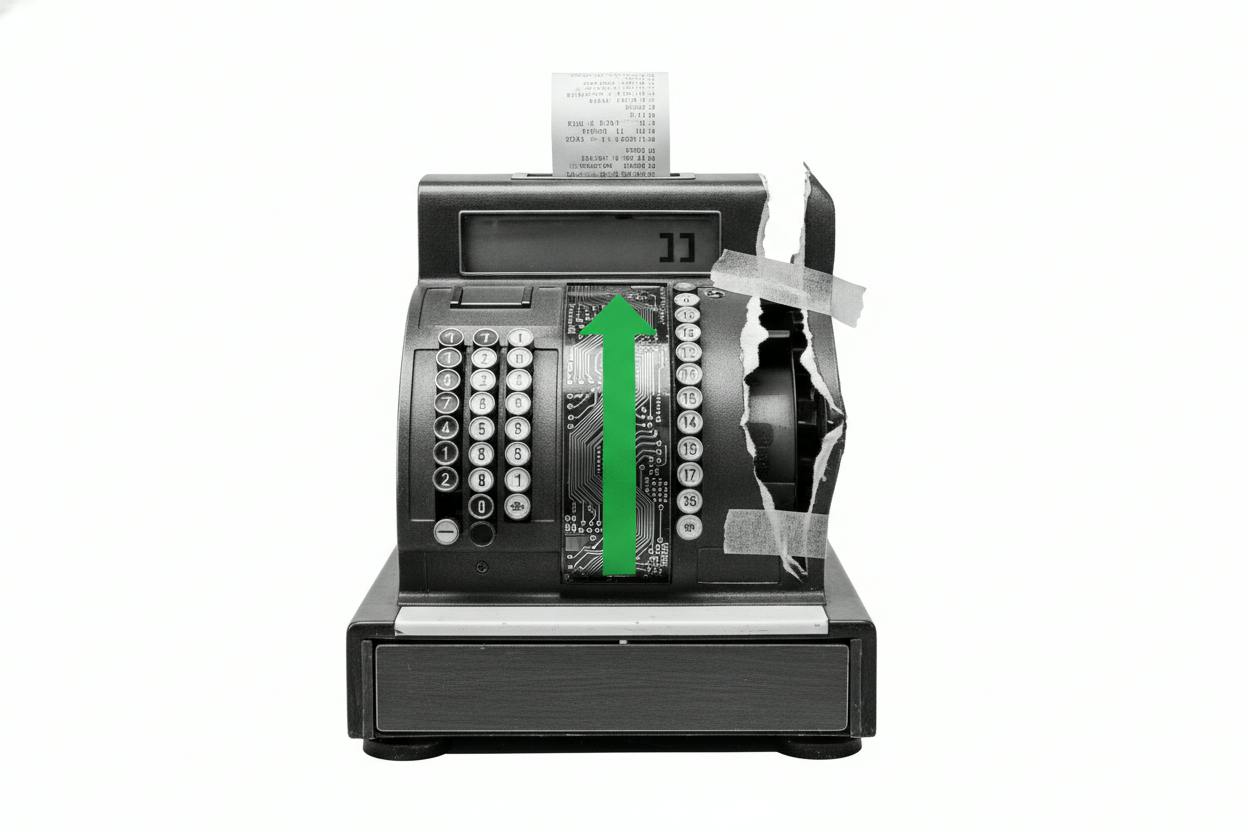
Sage, the UK-based accounting and payroll software company, capped off a strong 2026 and told investors to expect about 10% revenue growth in 2027. But that guidance comes with a catch: the company will book a £100 million restructuring charge as it streamlines teams and invests more heavily in artificial intelligence.
Bank of America, which kept its buy rating on the stock, said Sage's 2026 underlying revenue came in at £2.78 billion, slightly ahead of expectations. Management's 2027 outlook of around 10% growth compares with a 9.4% consensus among analysts, suggesting the company is confident it can keep expanding despite the extra spending.
What's driving the push?
Sage is trying to prove it can grow like a modern subscription business while widening its reach among small and medium-sized businesses (SMBs). The company has been shifting from traditional software licenses to recurring cloud subscriptions, a model that investors tend to value more because it provides predictable revenue.
The £100 million restructuring charge is essentially an upfront cost to change how Sage builds, sells, and supports its software. Part of that money will go toward AI, which the company sees as a way to make its products more useful and efficient. The charge will drag on reported profit in the short term, but management is betting that the investment will pay off by making the business leaner and more scalable.
Sage also reiterated a longer-term ambition to grow revenue to £5 billion and beyond. That signals the company is aiming to expand what it can sell to each customer, not just add more customers. For a software firm, that's often a more profitable path than simply chasing new sign-ups.
What it means for investors
For markets, the key question is whether Sage's 10% growth is repeatable. Restructuring charges can be a red flag if they become a regular feature, but investors often look past them if the spending resets the cost base and leads to better operating leverage—where revenue keeps rising but ongoing costs grow more slowly.
Bank of America's buy rating suggests the bank sees the charge as a clean reset rather than a sign of trouble. The bank's analysts likely believe Sage can use AI to improve its products and cut costs over time, which would boost margins and support the stock's valuation.
However, there's a risk that the £100 million charge is just the beginning of a higher ongoing spending run-rate. If Sage needs to keep pouring money into AI and restructuring to maintain growth, margins could deteriorate, and the market might price the stock more cautiously.
Investors will be watching Sage's next few quarters to see if the restructuring delivers the promised efficiency gains. They'll also look at whether the company can maintain its growth rate without relying on one-off charges. If the AI investment helps Sage sell more services to SMBs, the charge could be a temporary dent; if it signals a permanent increase in costs, the stock could face pressure.
For everyday investors, the takeaway is that Sage is making a deliberate bet on AI and small-business focus. The company is willing to take a short-term hit to reported profit in hopes of building a stronger, more efficient business over the long run. Whether that bet pays off will depend on execution, but the initial market reaction—and Bank of America's continued support—suggests confidence in the plan.
As with any company undergoing restructuring, there's uncertainty. But Sage's solid 2026 and its reiterated long-term revenue target give investors a reason to stay tuned.



