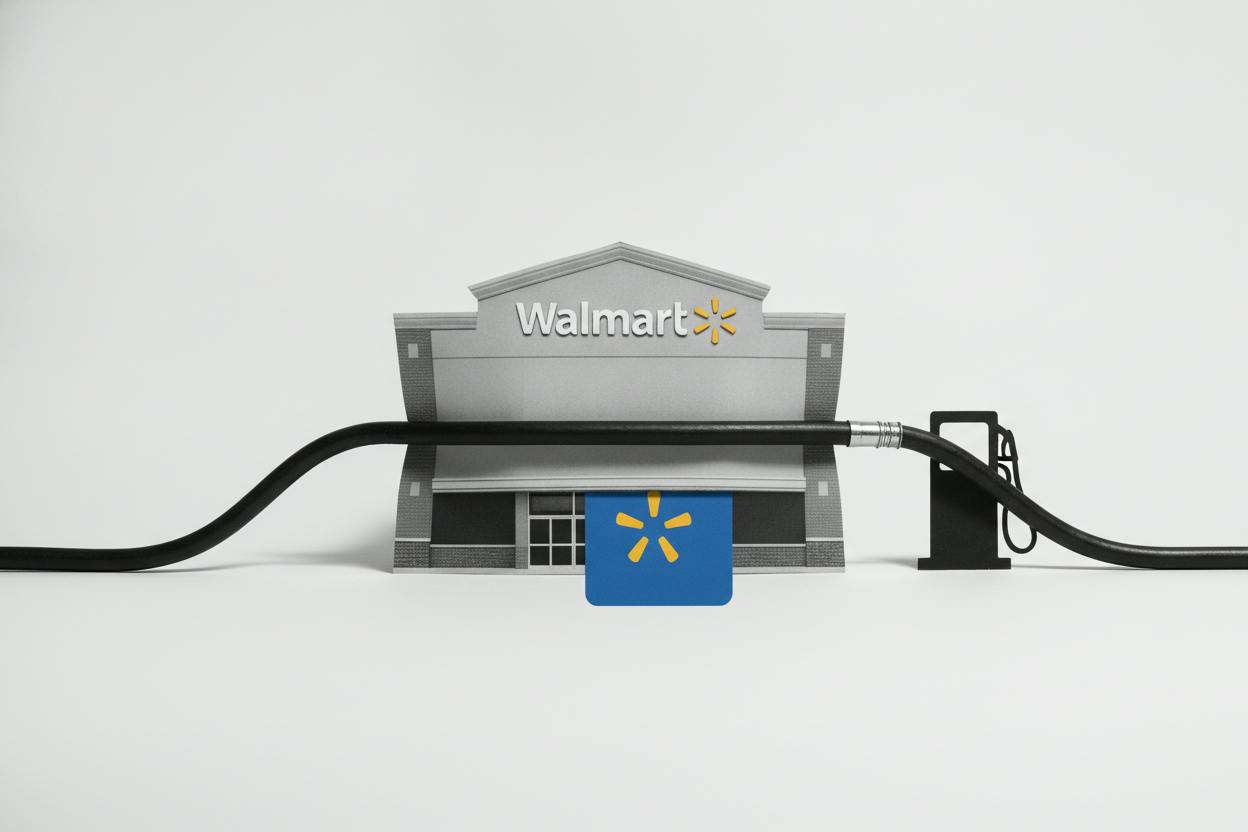
Walmart, the world's largest retailer, gave investors a reason for cautious optimism this week: it raised its full-year sales and profit outlook after a quarter that showed steady demand from U.S. shoppers. But the company also flagged a persistent headache — surging diesel and shipping costs have piled on about $2 billion in extra expenses this year, eating into the savings it might otherwise pass on to customers.
The update underscores a familiar tension for the retail giant: even when sales look healthy, the cost of moving goods from warehouses to doorsteps can quickly erode margins. For everyday investors, the news is a reminder that a company can grow its top line and still face pressure on the bottom line.
What the numbers show
In the latest quarter, Walmart's revenue rose 5.2% to $188.84 billion, while U.S. comparable sales — a key metric that tracks sales at stores open for at least a year plus online — grew 2.9%. That suggests consumers are still spending, even as they hunt for bargains and lean on delivery services.
But the cost of running the machine also climbed. Operating expenses were up 5% to $40.01 billion, a pace that outpaced revenue growth. Much of that increase stems from higher diesel prices and logistics expenses, which have added roughly $2 billion to the company's cost base this year.
Walmart's ability to keep prices low has long been a competitive advantage, especially during periods of inflation. But when fuel costs spike, that advantage gets harder to maintain. The company has said it is working to offset some of those costs through efficiency gains, but the pressure is real.
Why Walmart matters to the broader market
Walmart is often treated as a real-time read on the U.S. consumer. Because it sells everything from groceries to electronics, its sales trends can signal whether households are feeling confident or pulling back. This quarter's numbers suggest demand is holding up, but the cost side of the ledger is worth watching.
The company's raised outlook is a positive sign, but the fuel-cost drag is a cautionary note. As the holiday shopping season approaches, investors will be watching whether Walmart can keep prices competitive without sacrificing profits. The company has already flagged that it may have less room to cut prices than it would like, which could affect its ability to win over budget-conscious shoppers.
This is not the first time Walmart has faced logistics headwinds. In past years, higher freight and fuel costs have squeezed margins, and the company has typically responded by leaning on its scale and supply-chain improvements. But diesel prices are notoriously volatile, and a prolonged spike could force Walmart to choose between protecting margins and holding the line on prices.
What it means for investors
For investors, the key takeaway is that Walmart's core business remains solid, but the cost environment is not cooperating. The raised outlook is a vote of confidence in the company's ability to manage through the current environment, but the $2 billion cost increase is a reminder that external factors can quickly change the picture.
Investors should also consider the broader context. Walmart's performance is often seen as a bellwether for the retail sector and, by extension, the health of the U.S. consumer. If Walmart can keep growing sales while absorbing higher costs, that bodes well for the economy. But if fuel costs continue to climb, it could pressure not just Walmart but the entire retail supply chain.
Looking ahead, the market will likely focus on how Walmart manages its margins in the coming quarters. The company's ability to offset higher diesel costs through operational efficiencies will be a key test. For now, the raised outlook provides some reassurance, but the fuel-cost drag is a cloud that could linger.
For everyday investors, the story is a useful reminder that even the biggest, most efficient retailers are not immune to cost pressures. When you see headlines about rising fuel prices, it's worth thinking about how those costs ripple through the economy — from the price of groceries to the profits of the companies that deliver them.
As the holiday season approaches, Walmart's pricing strategy will be closely watched. If it can keep prices low without hurting profits, it could strengthen its position. But if diesel costs keep biting, the squeeze may show up in thinner margins — and possibly in higher prices for consumers.
For more on how Walmart's outlook is shaping up, see our earlier coverage on Walmart's raised targets and the fading GLP-1 boost.