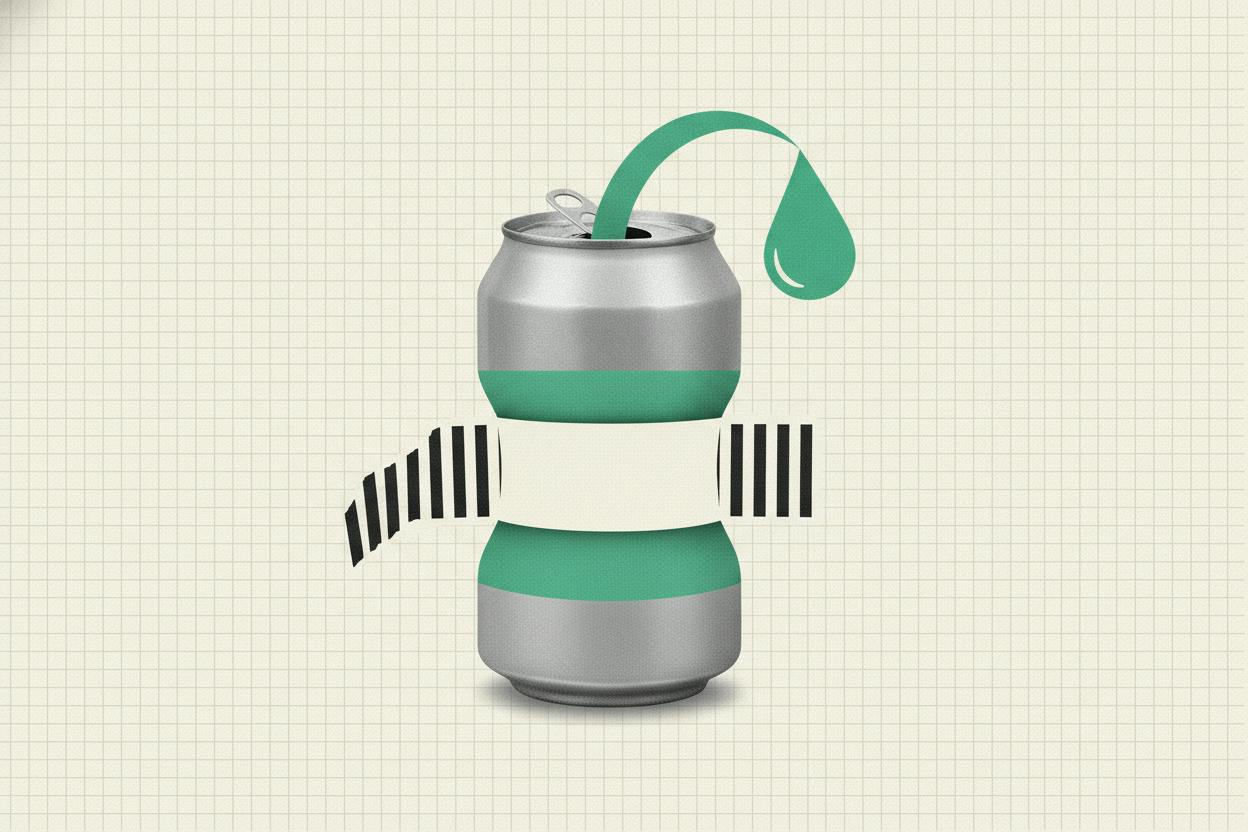
Anheuser-Busch InBev, the world's largest brewer, is rethinking how it sells beer. At an investor update on Tuesday, the company said it will introduce smaller pack sizes and roll out so-called functional brews — beers with added protein or electrolytes — while pushing further into canned cocktails and energy drinks. The strategy responds to two forces squeezing traditional beer demand: consumers watching their budgets and a growing preference for healthier or lower-alcohol options.
The shift is notable because AB InBev built its empire on mass-market lager sold in large multi-packs. Smaller packs lower the upfront cost for shoppers, which matters when household budgets are tight. Functional beers, meanwhile, aim to capture drinkers who might otherwise reach for a sports drink or a protein shake — or skip alcohol altogether.
Why the beer giant is changing course
Beer volumes have been under pressure in many developed markets for years. Younger consumers are drinking less alcohol, and those who do drink are increasingly choosing spirits, hard seltzers, or ready-to-drink canned cocktails. At the same time, the wellness movement has pushed shoppers toward products that promise a functional benefit, whether that's hydration, relaxation, or extra protein.
AB InBev's answer is to meet those trends head-on rather than fight them. Zero-alcohol flavors, canned cocktails, and energy drinks are all part of the plan. The company is essentially saying that if customers want something other than a classic beer, it would rather sell them that product than lose the sale entirely.
This is a common playbook for large consumer staples companies facing changing tastes. Rather than defend a single category, they diversify into adjacent ones. The risk is that new products can cannibalise existing sales or fail to gain traction, but the bigger risk is standing still while consumer habits move on.
What it means for investors
For everyday investors, AB InBev's announcement is a reminder that even dominant consumer brands must adapt. The company's shares trade on expectations about future volume growth and pricing power. If smaller packs and functional beers can bring in new customers or justify higher prices per unit, that could support revenue. If they simply shift existing buyers into cheaper formats, the benefit is less clear.
Investors will want to watch a few things. First, whether these new products actually show up on shelves and in meaningful volumes. Second, whether they carry higher margins than standard beer — functional ingredients and smaller pack sizes often cost more to produce per ounce. Third, whether the push into canned cocktails and energy drinks gains share in those crowded categories.
The broader economic backdrop matters too. Budget pressure on consumers is a real constraint. When shoppers trade down, they often buy smaller quantities or cheaper brands. AB InBev's smaller packs could be seen as a way to keep price-sensitive customers from switching to store brands or private label. But it also signals that the company expects wallet strain to persist.
Wellness trends are another factor. The rise of GLP-1 weight-loss drugs has already prompted food and beverage makers to rethink portion sizes and add protein. Ice cream makers have made similar moves, pushing protein and smaller portions. AB InBev's functional brews fit that same pattern, though it's too early to know how big the demand will be.
It's also worth noting that this is not a solo experiment. Rivals in the beverage space are all chasing the same trends, from hard seltzers to non-alcoholic options. Success will depend on execution — marketing, distribution, and taste — as much as on the idea itself.
The bottom line
AB InBev is trying to future-proof its business by selling less beer, in smaller packages, and more of everything else. For investors, the key question is whether these new products can grow the pie or just slice it differently. The company's ability to manage that transition will be a test of its pricing power and its connection to changing consumer tastes.
As always, this is not a recommendation to buy or sell any stock. It's a look at how one of the world's biggest brewers is responding to the forces shaping what people drink — and what that might mean for the companies in your portfolio.