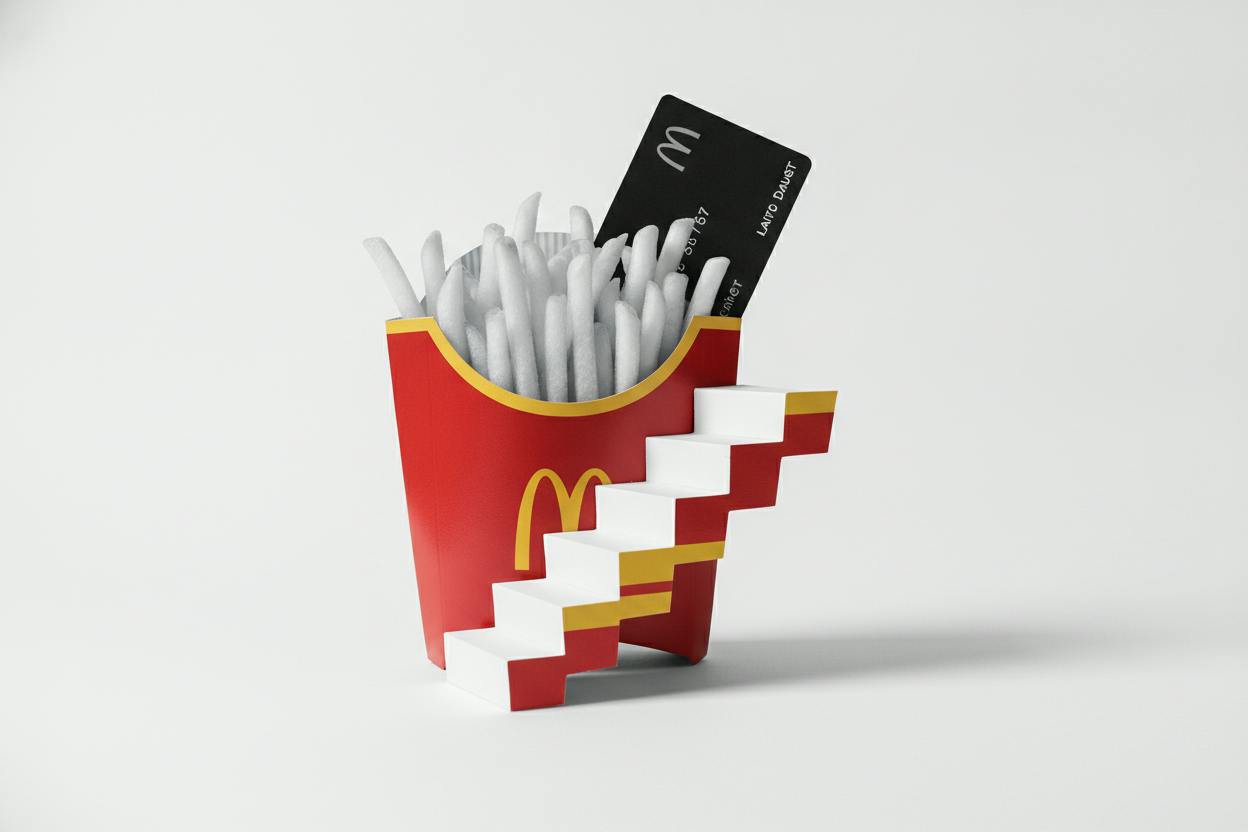
McDonald's is shaking up its loyalty program, moving from a one-size-fits-all rewards system to a tiered structure designed to get casual customers coming back more often. The fast-food giant says its loyalty members already account for roughly 30% of sales, and the new approach is meant to deepen that relationship.
The company has about 220 million active members worldwide, split between frequent visitors and those who stop by roughly once every 90 days. Another 150 million people have accounts but haven't eaten at McDonald's in months. The goal is to tailor perks to behavior—offering richer rewards like faster points accumulation and early access to new items for regulars, while giving occasional diners incentives to increase their visit frequency.
Why the shift to tiers?
Restaurant chains are increasingly rethinking loyalty programs. Broad, across-the-board discounts can train customers to wait for deals, which erodes profit margins. By segmenting customers, McDonald's can reward its most loyal patrons without giving away discounts to everyone indiscriminately.
This is a common strategy in the industry. Many companies use tiered programs to encourage higher spending and frequency, while also gathering valuable data on customer preferences. For McDonald's, the data from its loyalty program is a key asset—it allows the company to personalize offers and improve marketing effectiveness.
The move also comes as competition in the fast-food space intensifies. Rivals are investing heavily in their own digital and loyalty initiatives, and McDonald's needs to stay ahead to maintain its market share.
What it means for investors
For investors, the tiered loyalty program is a signal that McDonald's is focused on sustainable growth rather than just short-term sales boosts. By encouraging more frequent visits from casual diners, the company hopes to increase same-store sales—a key metric for restaurant stocks.
Loyalty programs also help build a direct relationship with customers, reducing reliance on third-party delivery apps that charge high fees. This can improve profitability over time.
However, there are risks. If the tiers are not attractive enough, casual diners might not engage, and the program could fail to move the needle. Additionally, managing a complex loyalty system requires significant investment in technology and data analytics.
Investors will be watching to see if the new program leads to higher visit frequency and sales growth in the coming quarters. McDonald's is a massive company, so even small changes in customer behavior can have a meaningful impact on its bottom line.
For context, other companies have successfully used tiered loyalty programs to boost engagement. For example, Meta's AI app recently saw a surge in downloads, showing how digital engagement can lift market value. Similarly, Airbnb's expansion into hotels could add significant room supply, demonstrating how companies adapt to changing consumer behavior.
In the broader market, Spinny's IPO filing highlights ongoing activity in the tech and consumer sectors, while Telix's supply-chain deal shows how companies are positioning for growth in specialized markets.
Bottom line
McDonald's tiered loyalty program is a strategic move to drive repeat business and protect margins. For everyday investors, it's a reminder that loyalty programs are not just about customer perks—they're a key tool for boosting sales and profitability. As the program rolls out, watch for updates on member engagement and sales trends in McDonald's earnings reports.