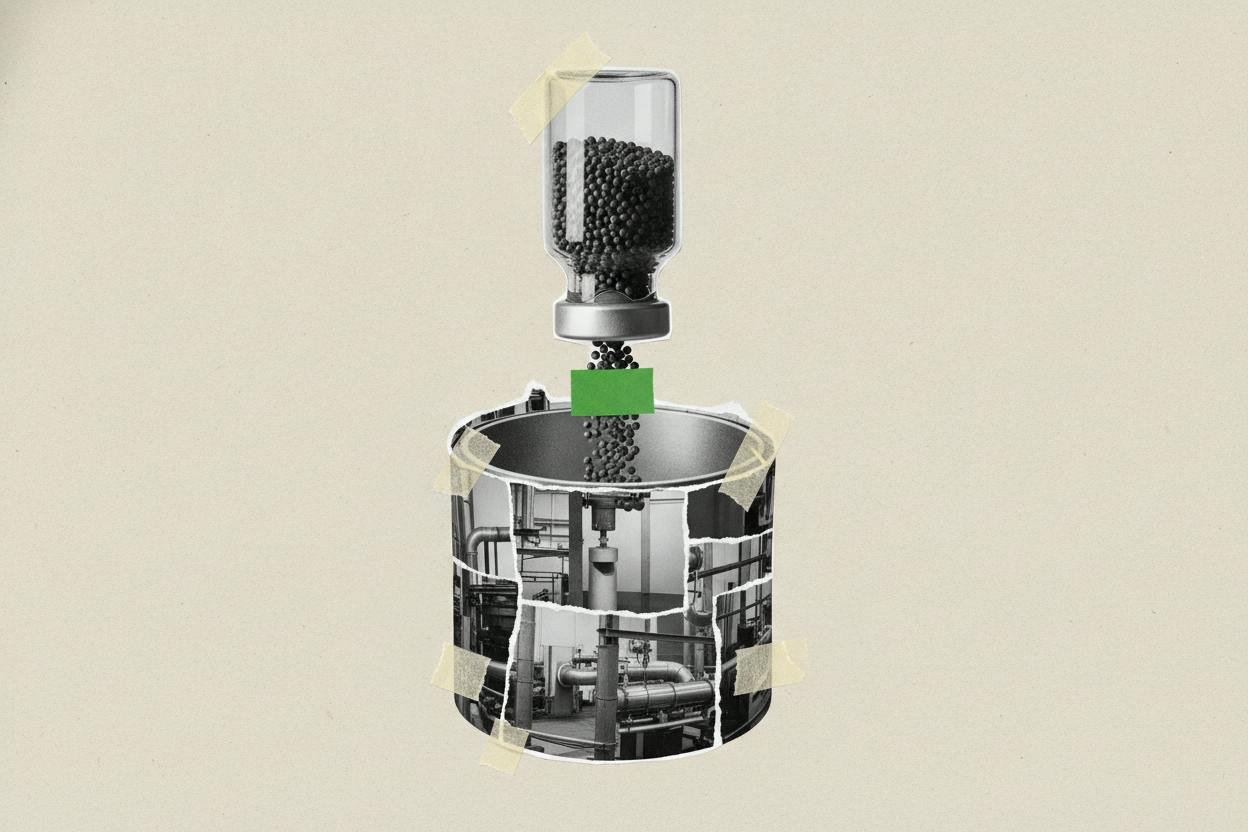
Australia's Telix Pharmaceuticals has announced a deal to acquire Germany's ITM Isotope Technologies Munich for approximately $1.65 billion, a move that goes beyond simply adding a new drug candidate to its pipeline. The acquisition is being framed as a supply-chain play, aimed at securing the critical raw materials needed to produce radiopharmaceutical therapies.
Under the terms, ITM's owners will receive about $1.25 billion in Telix shares, priced at $11.84 per share after adjustments, giving them roughly 23.7% of the combined group. The remaining portion of the purchase price—up to $700 million—is tied to the approval and commercial success of ITM-11, one of ITM's lead experimental therapies.
Why the supply chain matters
Radiopharmaceuticals are a growing class of cancer treatments that deliver radioactive isotopes directly to tumor cells. But these therapies are only as good as the isotopes they rely on, and producing those isotopes at scale is a complex, highly specialized process. ITM operates a commercial-scale, profitable isotope production business, which Telix sees as a key strategic asset.
By owning that production capability, Telix aims to reduce its dependence on external suppliers and ensure a stable, reliable source of isotopes for its current and future products. This is similar to how some drugmakers have moved to secure their own manufacturing capacity for biologics or gene therapies, rather than relying on contract manufacturers.
The deal also highlights a broader trend in the radiopharma sector, where companies are racing to lock up supply chains as demand for these targeted cancer treatments grows. Investors have shown increasing interest in the space, and deals like this one are likely to continue as competition intensifies.
What ITM-11 could add
ITM-11 is an experimental radiopharmaceutical being developed for certain types of cancer. The milestone payments tied to it reflect the potential value Telix sees in the drug, but they also underscore the uncertainty inherent in drug development. Approval is never guaranteed, and sales targets can be missed, so the $700 million is far from a sure thing.
For Telix, the deal is a bet that ITM's isotope production business will provide immediate value, while ITM-11 offers upside if it reaches the market. The structure of the deal—with a large upfront share payment and performance-based milestones—is a common way to bridge the gap between what a company is worth today and what it could be worth if its pipeline succeeds.
What it means for investors
For everyday investors, this deal is a reminder that pharmaceutical companies are not just about drugs; they are also about the complex supply chains that make those drugs possible. Telix is essentially paying a premium to secure a critical input, which could give it a competitive edge if radiopharmaceuticals become a mainstream cancer treatment.
However, the deal also carries risks. Telix is issuing a significant number of shares to ITM's owners, which will dilute existing shareholders. The milestone payments, if achieved, will add to the cost. And there is no guarantee that ITM-11 will win approval or hit its sales targets.
Investors should also keep an eye on how the broader market is reacting to deal-making in the sector. For context, other recent moves in the global markets—such as SoftBank's expanded margin loan and Halozyme's convertible note sale—show that companies across industries are raising capital and making strategic bets. In the radiopharma space, the focus on supply chains is likely to be a recurring theme.
For those holding Telix shares, the deal could be a positive if it strengthens the company's long-term position. But it's also a reminder that acquisitions often take time to deliver value, and the real test will be whether Telix can integrate ITM's operations and turn its isotope production into a competitive advantage.
As with any deal of this size, investors should watch for regulatory approvals and any signs of integration challenges. The transaction is expected to close in the coming months, and updates on ITM-11's clinical progress will be closely watched.