SoftBank has quietly increased the size of a borrowing facility backed by its stake in chip designer Arm, lifting the potential loan amount to $25 billion from $20 billion, according to a Bloomberg report on Friday. The move gives the Japanese technology investor more financial flexibility without forcing it to sell any of its prized Arm shares.
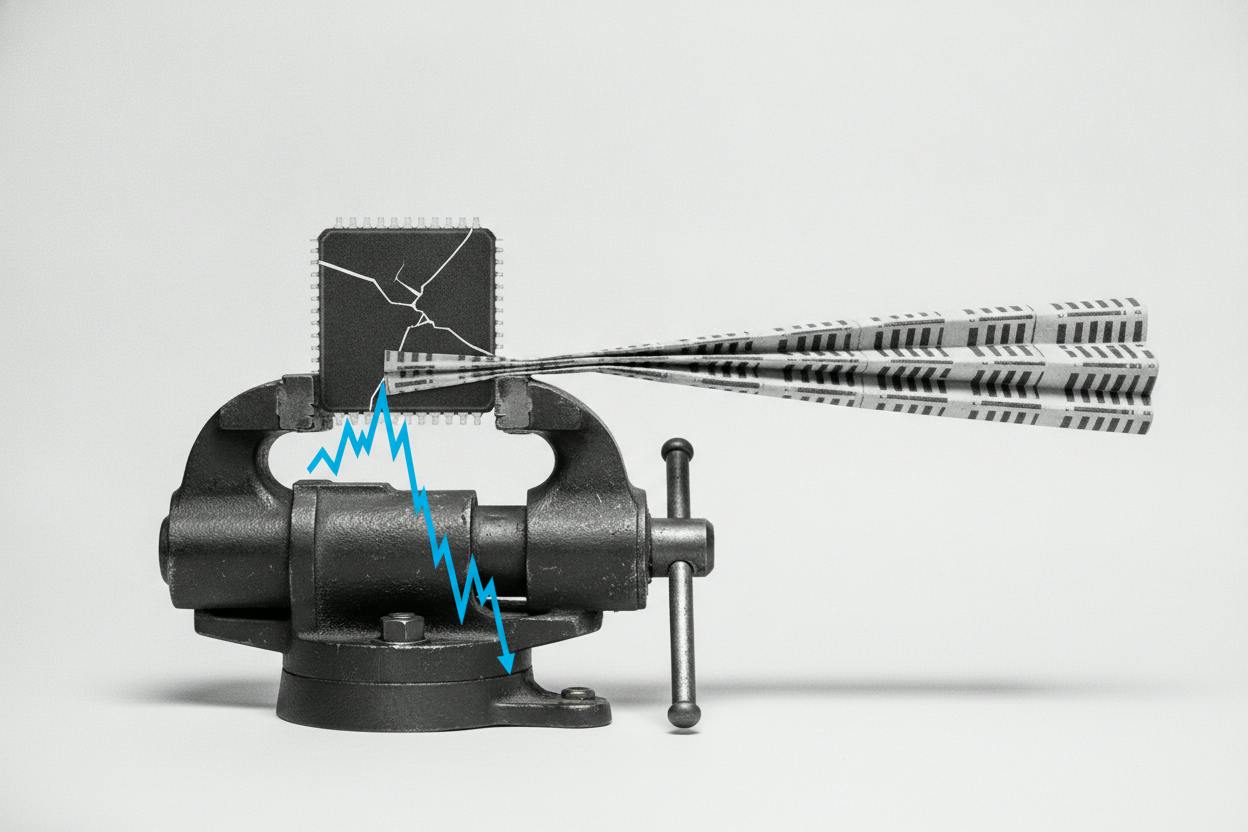
A margin loan is a type of borrowing where the lender uses an asset—in this case, SoftBank's holdings in Arm—as collateral. The borrower can draw down cash up to a set limit, but the loan's value is tied to the market price of the collateral. If Arm's stock falls sharply, SoftBank could face margin calls, requiring it to put up more cash or securities to keep the loan in good standing.
Bloomberg, citing people familiar with the matter, said the facility has been scaled up over time and was renegotiated this month to raise the cap to $25 billion. The report also noted that lenders offered about $7 billion of demand, above SoftBank's target of $3 billion to $5 billion, a sign that banks are comfortable with the risk.
Why SoftBank is borrowing against Arm
SoftBank has long used its stake in Arm as a financial lever. The company sold a portion of Arm in a blockbuster initial public offering in 2023, but it still holds a majority stake. Rather than selling more shares—which could dilute its ownership and potentially pressure the stock—SoftBank has chosen to borrow against the value of those holdings.
This approach is common among large investors who want to raise cash without giving up their position in a company they believe will appreciate over time. It also avoids triggering a taxable event that a sale would create. For SoftBank, which has a history of making big, sometimes risky bets in technology, having access to billions in borrowed cash can be a strategic advantage.
The timing is notable. Arm has been a standout performer in the semiconductor space, benefiting from the boom in artificial intelligence and the demand for energy-efficient chips. That rising stock price has made SoftBank's collateral more valuable, allowing it to borrow more under the same terms.
What it means for investors
For everyday investors, the key takeaway is that SoftBank's increased borrowing capacity is a sign of confidence—both from SoftBank and from the banks willing to lend against Arm's stock. But it also introduces a layer of risk. If Arm's share price were to drop significantly, SoftBank could be forced to sell shares or post additional collateral, which could put downward pressure on the stock.
Investors in Arm should watch how SoftBank manages this debt. A margin loan is not inherently bad, but it does mean that SoftBank's financial health is more closely tied to Arm's day-to-day market performance. Any sharp decline in Arm's stock could have ripple effects, not just for SoftBank but for the broader tech sector, given Arm's importance in the chip industry.
For those following the broader market, this news comes as stocks face a triple test from rising yields, oil prices, and the ongoing debate over AI valuations. Arm is often seen as a bellwether for AI-related chip demand, so any moves in its stock can influence sentiment across the sector.
SoftBank's decision to borrow rather than sell also reflects a broader trend among major tech investors: using leverage to maintain upside exposure while accessing liquidity. It's a strategy that can pay off handsomely in a rising market, but it can also amplify losses in a downturn.
What to watch next
Investors will likely keep an eye on Arm's earnings and any updates from SoftBank about how it plans to use the borrowed funds. SoftBank has been active in the AI space, and it's possible the cash could be deployed into new investments or to shore up its other ventures.
Also worth watching is the health of the margin-loan market itself. If banks are willing to lend more against Arm's stock, it suggests they see the chipmaker's value as stable. But if Arm's stock becomes more volatile, that could change quickly.
For now, the expansion of the facility is a positive signal for SoftBank's liquidity, but it's a reminder that even the biggest tech investors are not immune to the risks of borrowing against volatile assets.