Anthropic and OpenAI, two of the biggest names in artificial intelligence, are reportedly shifting their data center strategy. According to CNBC, the companies are scouting smaller sites—roughly 20 to 30 megawatts of capacity—in the UK, the Nordics, and possibly the US. The goal: get more computing power online quickly, without waiting years for a giant new campus to be built.
Why smaller is faster
Training and running large AI models requires enormous amounts of computing power. That means data centers packed with specialized chips that generate a lot of heat and consume a lot of electricity. The industry's usual answer has been to build "mega-campuses"—sprawling facilities that can draw hundreds of megawatts from the grid.
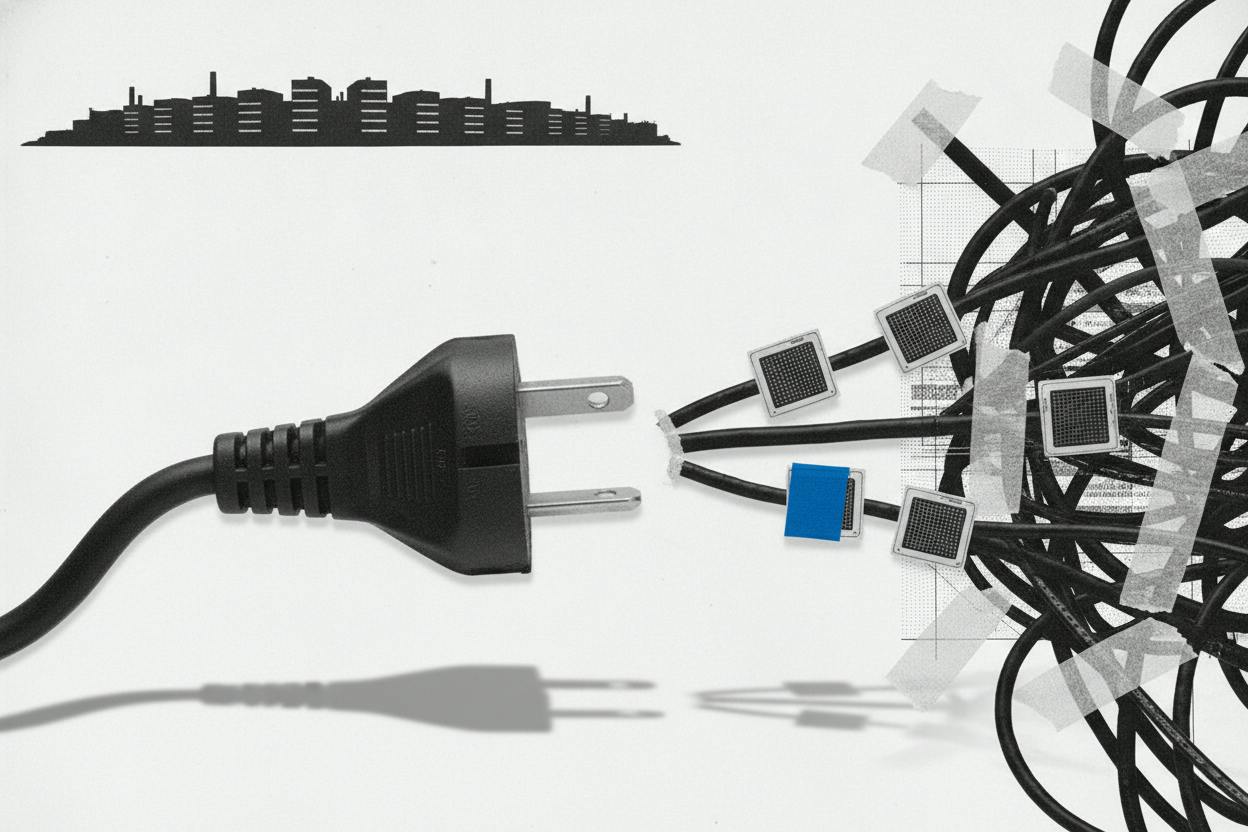
But those projects take time. Securing land, getting permits, and—most critically—arranging a grid connection and enough power can stretch over several years. In many regions, utilities are already struggling to keep up with surging demand from data centers, which has led to long wait times for new connections.
Smaller sites, by contrast, can often be brought online much faster. Companies can lease existing buildings and retrofit them, or work with colocation providers—firms that rent out ready-to-use space, power, and cooling. That approach lets AI companies add capacity in months rather than years, which is crucial in a race where computing power is a key competitive advantage.
What this means for the AI race
Both Anthropic and OpenAI are under pressure to scale up their infrastructure. Anthropic, backed by Amazon, has been expanding its compute footprint to support models like Claude. OpenAI, backed by Microsoft, has similarly been investing heavily in data centers to power ChatGPT and other products. The shift to smaller sites suggests they are looking for more flexible, quicker ways to grow.
The UK and the Nordics are attractive because they offer relatively stable grids, cooler climates that reduce cooling costs, and in some cases, government incentives. The US remains a possibility, but the focus on Europe highlights the global nature of the data center buildout.
This isn't just a logistical detail. It reflects a broader trend in the AI industry: the need for speed. As competition intensifies, companies can't afford to wait years for new capacity. Smaller, modular data centers may become a more common part of the infrastructure mix.
What it means for investors
For everyday investors, this news is a reminder that the AI boom isn't just about the flashy models—it's also about the physical infrastructure that powers them. Data centers, power grids, and cooling systems are all part of the supply chain that makes AI possible.
If major AI companies are increasingly looking at smaller sites, that could benefit companies that specialize in colocation or modular data center construction. It could also put more pressure on utilities and grid operators in regions like the UK and the Nordics, where demand for electricity is already rising.
At the same time, the move highlights the ongoing challenge of energy supply. As we've noted, AI data centers are one factor that central banks worry could reignite inflation, because of the strain they put on power grids and construction resources.
For investors, the key takeaway is that the AI infrastructure buildout is still in its early stages. Companies are experimenting with different approaches to get compute online faster, and that creates opportunities—and risks—across the tech and energy sectors.
Looking ahead
It's still early days. CNBC's report is based on discussions, not finalized deals. But the fact that two of the most prominent AI companies are exploring this path suggests it's more than a passing idea.
Investors will be watching to see whether these smaller sites actually get built, and how quickly. They'll also be paying attention to how this affects the broader data center market, which has seen a surge in investment over the past few years.
For now, the message is clear: in the AI race, speed matters. And sometimes, smaller is faster.