Australia's central bank is again worried about inflation. Reserve Bank of Australia (RBA) Governor Michele Bullock told lawmakers that the Middle East conflict and a boom in AI data centers are putting fresh upward pressure on prices. The comments come ahead of the RBA's next policy meeting on September 28-29.
What's driving the new inflation worries?
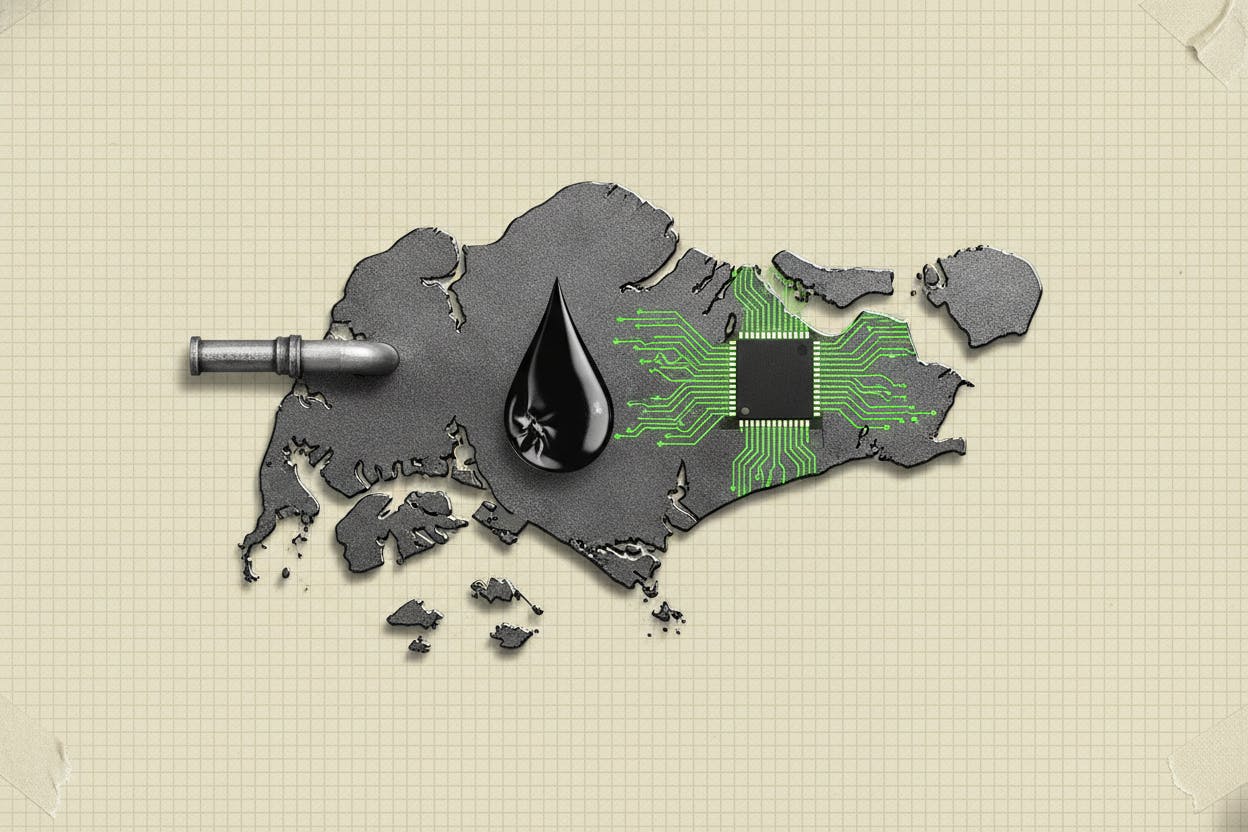
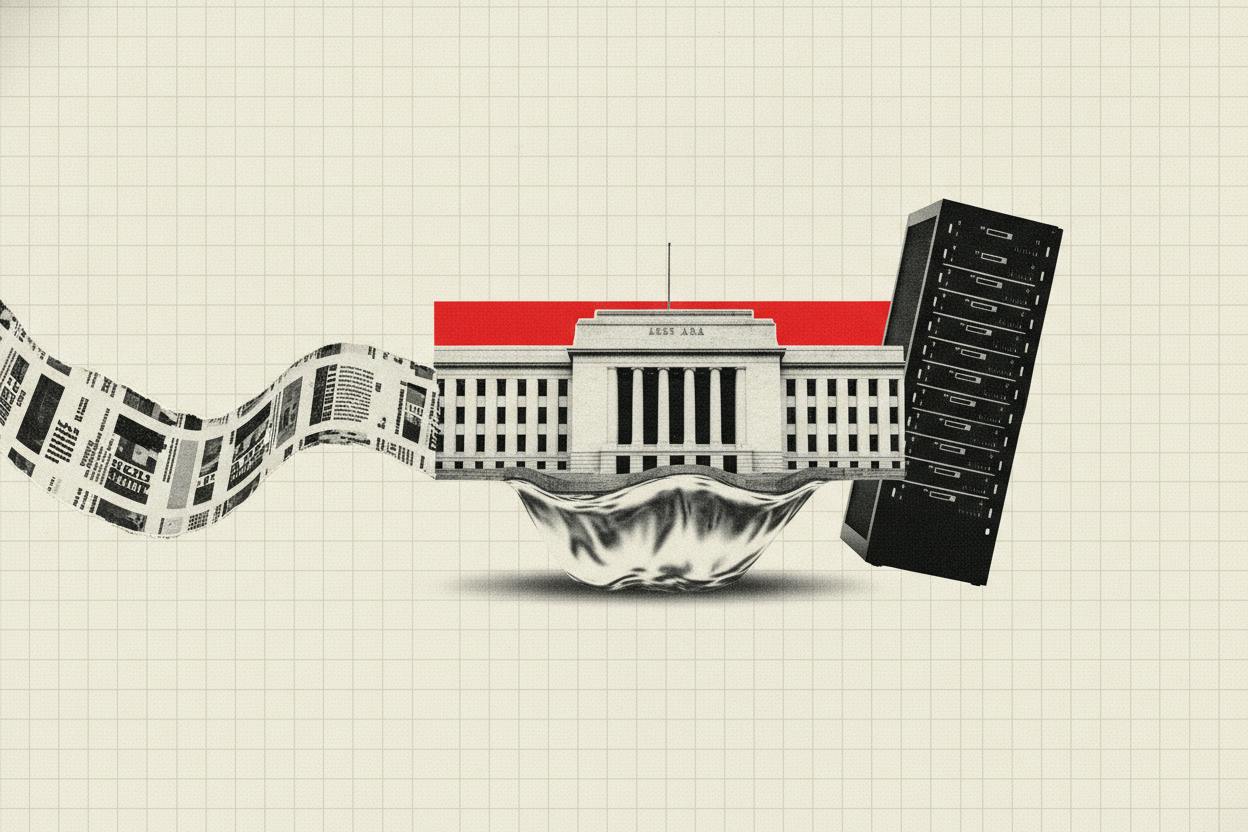
Bullock pointed to two main factors. First, the ongoing Middle East conflict is disrupting energy and shipping routes, which can push up the cost of imported goods and fuel. Second, a surge in investment in data centers—driven by the artificial intelligence boom—is adding to demand for construction, electricity, and other resources, which can feed into higher prices.
These pressures are emerging even as Australia's economic growth cools. That puts the RBA in a tricky spot: it wants to support the economy, but it also needs to keep inflation under control. The central bank kept its policy rate at 4.35% in August, but Bullock's latest remarks suggest the door is still open for further rate hikes if inflation doesn't ease as expected.
Bullock also noted that the labor market remains tight, which can keep wage growth elevated. When wages rise quickly, businesses often pass those costs on to consumers, adding to inflation.
Why this matters for your money
For everyday Australians, the big question is whether interest rates will go up again. Higher rates mean more expensive mortgages and loans, which can squeeze household budgets. On the flip side, if the RBA doesn't act and inflation stays high, the purchasing power of your savings erodes.
The RBA's next decision will hinge on the latest inflation data and global developments. If energy prices spike further due to Middle East tensions, or if the data center boom continues to strain resources, the central bank may feel compelled to raise rates again. That would be a reversal from the recent pause, and markets would likely react sharply.
Investors should watch for any signs of a rate hike, as it could affect everything from bank stocks to property prices. A rate hike would also strengthen the Australian dollar, which could impact exporters and companies with overseas earnings.
Global context
Australia isn't alone in facing inflation pressures. Central banks around the world are grappling with similar issues. For instance, the UK recently saw inflation hit 3.1% in August, testing the Bank of England's patience. Meanwhile, oil markets remain volatile, with traders wary of Middle East risks even as US stockpiles jump.
The RBA's stance is also being watched by international bodies. The IMF has warned that the RBA may need more rate hikes if inflation stays sticky. That kind of external pressure adds to the case for caution.
What to watch next
Between now and the September meeting, investors will be parsing every piece of economic data. Key indicators include monthly inflation figures, employment numbers, and any updates on global energy prices. Bullock's testimony suggests the RBA is leaning hawkish, but the final decision will depend on the data.
For now, the message is clear: inflation risks are building again, and the RBA is on alert. Whether that translates into a rate hike remains to be seen, but the possibility is very much on the table.