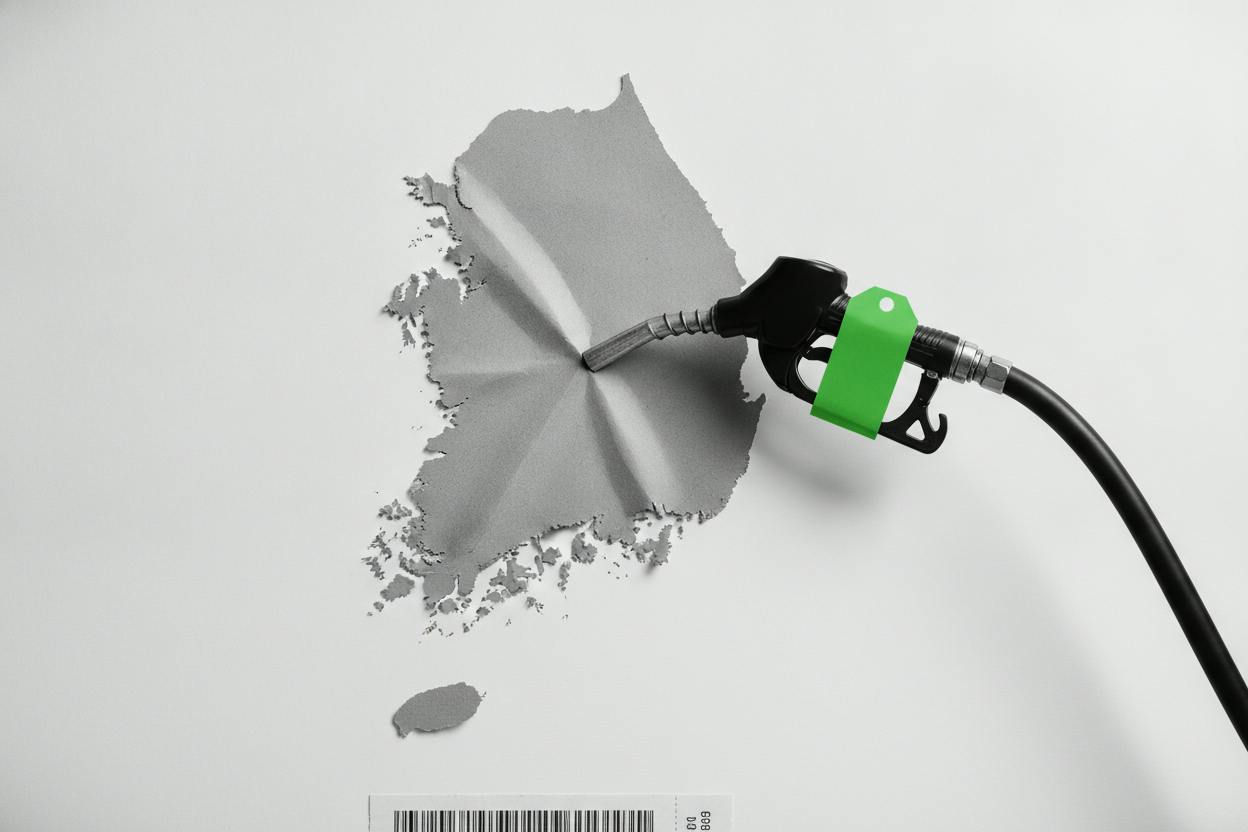
South Korea's finance ministry announced that the existing fuel tax cuts—15% off gasoline and 25% off diesel and butane—will remain in place through November, extending a measure that was set to expire in September. The government is also layering on temporary discounts during the Chuseok holiday travel rush from September 24th to 27th, including a 100 won per liter reduction at highway gas stations and lower daytime electric-vehicle charging fees.
The extension comes as global oil prices remain volatile, putting upward pressure on fuel costs for households and businesses. By keeping the tax cuts in place, the government aims to cushion consumers from sudden price spikes, especially during a period of heavy travel and family gatherings.
Why the extension matters
Fuel taxes are a significant component of the price at the pump in South Korea. When the government trims those taxes, the savings pass through relatively quickly to consumers. The 15% cut on gasoline and 25% on diesel and butane directly reduces what drivers pay, and the additional Chuseok discounts are designed to provide extra relief during one of the busiest travel periods of the year.
The decision also reflects broader concerns about inflation. Energy costs feed into the prices of nearly everything—from transportation to food and manufactured goods. Keeping fuel taxes lower helps contain overall price pressures, which is a priority for policymakers as they balance economic growth with household budgets.
For investors, the move signals that the government is willing to use fiscal tools to manage the economic impact of energy price swings. It also highlights the ongoing sensitivity of South Korea's economy to global oil markets, as the country imports nearly all of its crude oil.
What it means for investors
For everyday investors, the extension is a modest but positive signal for consumer spending. Lower fuel costs leave more money in people's pockets, which can support retail sales and discretionary spending. It may also ease pressure on companies that rely heavily on transportation and logistics, as their operating costs could stay lower than they otherwise would be.
However, the tax cuts are temporary and do not change the underlying volatility in global oil prices. Investors should watch how crude prices evolve over the coming months, as any sustained rally could offset the benefits of the tax relief. The government's decision also has fiscal implications—lower tax revenue from fuel could affect the budget, though the impact is likely manageable given the scale of the cuts.
South Korea's stock market has been sensitive to global energy and monetary policy trends. Recent movements in the KOSPI have been influenced by factors such as the Federal Reserve's rate decisions and the performance of chip stocks. The fuel tax extension is unlikely to move markets significantly on its own, but it adds to the broader picture of government support for the economy.
Broader context
South Korea has used fuel tax cuts before as a counter-cyclical measure during periods of high oil prices. The current extension follows a pattern of temporary relief that governments often deploy ahead of major holidays. The Chuseok period is particularly important because millions of Koreans travel to their hometowns, and fuel demand spikes.
The additional discounts during Chuseok—100 won per liter at highway stations and lower EV charging fees during the day—are targeted at the most visible travel costs. These measures are designed to be noticed by consumers and to provide immediate relief during the holiday.
For investors, the extension is a reminder that government policy can influence energy-related sectors. Oil refiners, for instance, may see slightly lower margins if tax cuts reduce the effective price they can charge, though the impact is usually modest. Conversely, transportation and logistics companies could benefit from lower fuel costs.
Overall, the move is a pragmatic response to an uncertain energy environment. It does not solve the underlying issue of oil price volatility, but it provides a buffer for consumers and businesses during a critical period. Investors should keep an eye on oil prices and any further government actions, as these will shape the economic outlook in the coming months.