Oil prices edged lower on Tuesday after reports that Saudi Arabia is rerouting extra crude shipments to Asian buyers via ship-to-ship transfers off Oman's Sohar port. The logistical workaround helped calm near-term supply concerns, even as Brent crude remained above $100 a barrel on persistent Middle East conflict worries.
What's happening
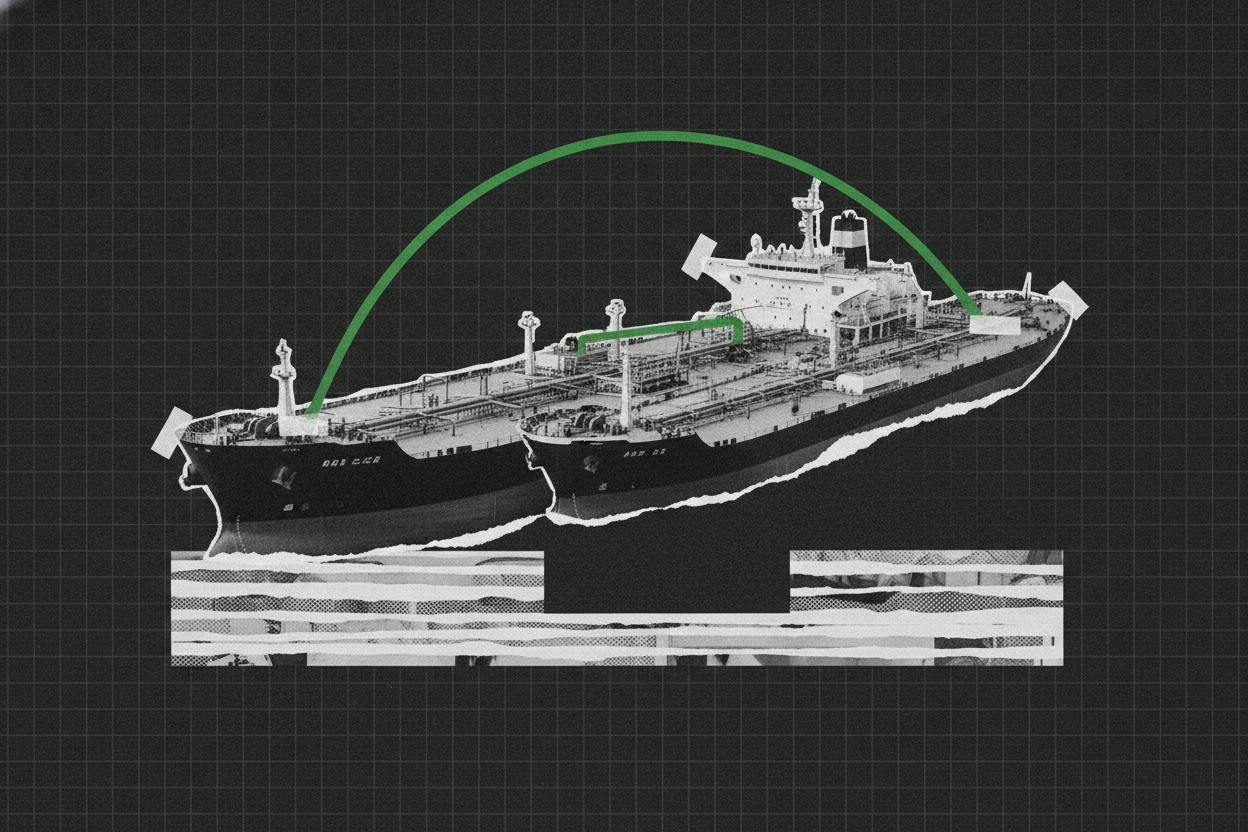
According to market reports, Saudi Arabia has been loading additional cargoes and transferring them between tankers offshore near Sohar, a key Omani port. This allows the kingdom to redirect crude toward Asian refiners without relying as heavily on shipping routes that have been disrupted by regional tensions.
The move is significant because it addresses a key concern for oil traders: not just how much crude exists, but how quickly it can be delivered. When key transit routes become risky or congested, the market's focus shifts from inventories to logistics. Ship-to-ship transfers offer a flexible workaround, letting cargoes be shifted from one vessel to another at sea, then sent on their way.
Brent crude, the international benchmark, has been trading above $100 a barrel for weeks, driven by fears that the Israel-Hamas conflict could escalate and disrupt supplies from the wider Middle East, which accounts for roughly a third of global oil output. The reported Saudi move appears to have taken some of the edge off those fears, at least for now.
Why it matters for investors
For everyday investors, the immediate takeaway is that oil prices remain highly sensitive to headlines about supply logistics. A single report about rerouted cargoes can move prices, even when the underlying supply picture hasn't changed dramatically. That volatility is a reminder that energy markets are driven as much by perception as by physical barrels.
Higher oil prices have broad ripple effects. They tend to push up inflation, which can influence central bank policy. For example, a sustained rally in crude could make it harder for the Federal Reserve and other central banks to cut interest rates, affecting everything from mortgage rates to stock valuations. On the flip side, oil-importing countries like India and Japan feel the pinch through higher energy bills and a weaker currency, as seen in recent pressure on the rupee.
For investors holding energy stocks, the current environment is a mixed bag. Producers benefit from high prices, but refiners and airlines face higher input costs. The key question is whether the Middle East conflict escalates further or whether diplomatic efforts can contain it. Any de-escalation could quickly pull oil prices lower, while a major disruption to shipping lanes could push them higher.
What to watch next
Traders will be watching for further details on the scale and duration of Saudi Arabia's ship-to-ship transfers. If the rerouting becomes a regular feature, it could signal that the kingdom is confident it can maintain supply despite regional risks. Conversely, if the transfers are seen as a stopgap, the market may remain on edge.
Also on the radar are weekly US inventory data, which often move oil prices. A large build in stockpiles, as seen in a recent report of rising US inventories, can ease supply fears, while a drawdown can reignite them.
Beyond oil, investors are keeping an eye on other commodities and currencies. For instance, copper output in Kazakhstan slipped in the first eight months, a reminder that supply disruptions are not limited to energy. And in the eurozone, factory output fell again in July, pointing to broader economic weakness that could temper oil demand.
The bottom line
The reported Saudi ship-to-ship transfers off Sohar are a practical response to a tricky logistical problem. They don't change the fundamental supply-demand balance, but they do buy time and reduce the immediate risk of a supply crunch. For investors, the episode underscores how quickly oil markets can swing on news, and why it's important to focus on the bigger picture: geopolitical tensions, global demand, and the path of interest rates.
As always, there's no need to react to every headline. But understanding what drives oil prices can help you make sense of the daily market moves and their potential impact on your portfolio.