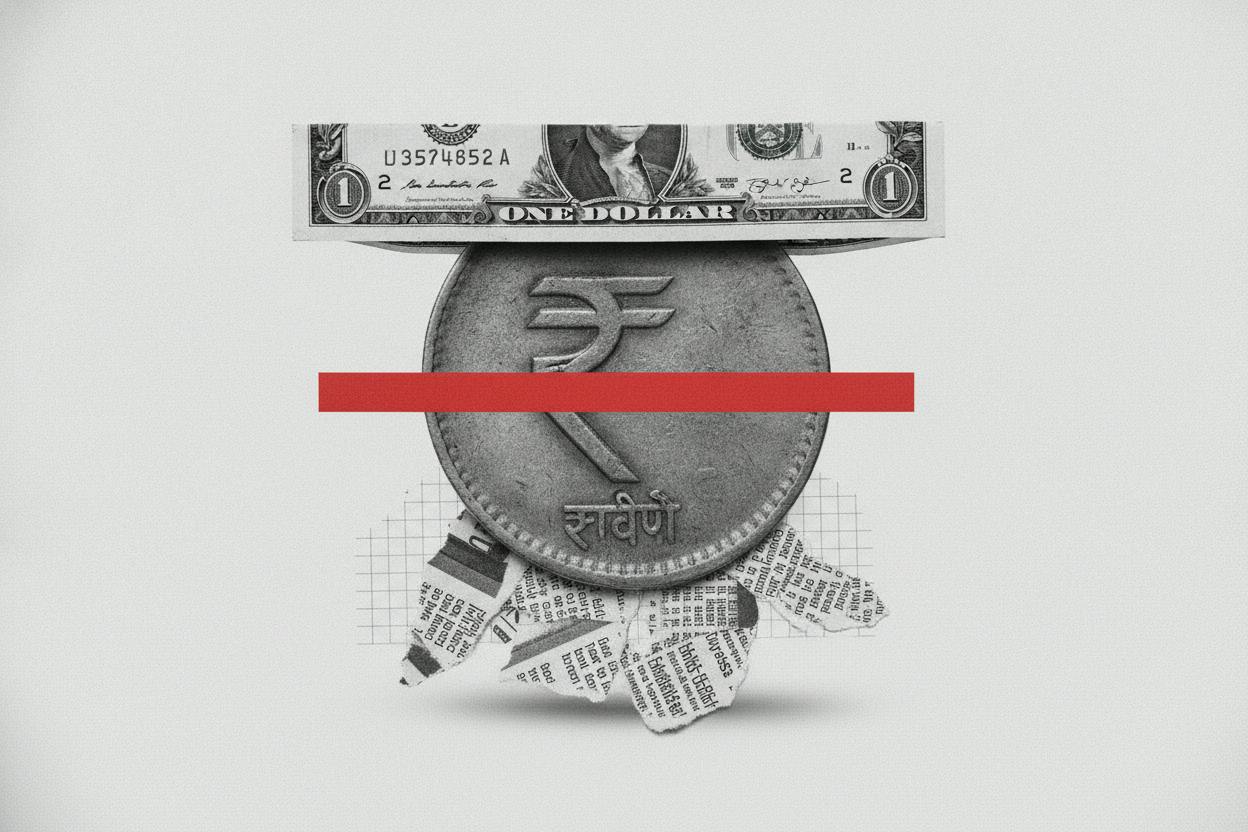
The Indian rupee is bracing for a weaker start, with traders expecting it to open around 96-96.05 per dollar. The pressure comes on the heels of the US Federal Reserve's latest quarter-point rate hike, which has pushed the Dollar Index above the 100 mark and revived market bets on another move as soon as next month.
For everyday investors, the rupee's slide is more than just a headline number. A weaker currency can make imported goods more expensive, feed into inflation, and affect the returns on overseas investments. Here's what's driving the move and what to watch next.
Why the Fed's hike matters for the rupee
The Federal Reserve's decision to raise its benchmark interest rate by a quarter of a percentage point is part of its ongoing effort to cool US inflation. When US rates rise, dollar-denominated assets like Treasuries become more attractive to global investors, drawing capital away from emerging markets like India.
That dynamic is playing out now. The Dollar Index—which measures the greenback against a basket of major currencies—has climbed above 100, a level that often signals strength. As the dollar firms, currencies in developing economies tend to weaken, and the rupee is no exception.
Adding to the pressure, markets are now pricing in the possibility of another Fed hike in the coming weeks. If that happens, the dollar could strengthen further, keeping the rupee under the gun.
Oil and foreign investors add to the strain
The rupee's troubles aren't just about the Fed. India imports the vast majority of the oil it consumes, and crude prices remain elevated. When oil costs more, India's import bill swells, which means more dollars are needed to pay for it—putting additional downward pressure on the currency.
At the same time, there are signs that foreign investors are dialing back their exposure to Indian stocks. When overseas investors sell local equities and convert the proceeds back into dollars, that also weighs on the rupee. This combination—a strong dollar, pricey oil, and foreign outflows—creates a challenging environment for the currency.
It's a familiar story for emerging markets. As the Fed tightens policy, capital tends to flow back to the US, and currencies from Brazil to Indonesia often feel the pinch. The rupee's move is part of that broader trend, which has also been visible in other regions. For instance, Latin American markets slipped after the Fed's hike, and the Australian and New Zealand dollars also weakened as traders positioned for the decision.
What the RBI might do
The Reserve Bank of India (RBI) has been active in the currency market, often selling dollars to cushion sharp falls in the rupee. According to a recent report, RBI dollar sales have helped counter oil and yield pressure, keeping the rupee near the 96 level. Traders will be watching to see if the central bank steps in again to smooth volatility.
Central bank intervention can provide temporary relief, but it doesn't change the underlying forces. If the dollar stays strong and oil prices remain high, the rupee could face continued headwinds.
What it means for investors
For Indian investors, a weaker rupee has mixed implications. On the one hand, it can boost the returns of exporters, who earn in dollars and benefit when the rupee falls. On the other hand, it makes imports—like electronics, machinery, and crude oil—more expensive, which can squeeze corporate margins and feed into consumer prices.
For those with investments in US stocks or dollar-denominated assets, a weaker rupee can actually enhance returns when converted back to rupees. But for those planning to study abroad or travel, a weaker rupee means higher costs.
The broader lesson is that currency movements are a key part of the investing landscape. They affect everything from the price of your morning coffee to the value of your international portfolio. Keeping an eye on the dollar and the Fed's next moves can help you understand why your investments behave the way they do.
As the Fed's policy path becomes clearer, the rupee's direction will likely hinge on two things: whether the dollar keeps climbing and whether oil prices stay elevated. For now, the currency is navigating a tricky stretch, and investors would do well to stay informed.