Hong Kong's central bank has raised its base rate by a quarter of a percentage point to 4.25%, following the US Federal Reserve's decision a day earlier. The move, announced by the Hong Kong Monetary Authority (HKMA), is the latest in a series of synchronized rate hikes that reflect the city's unique monetary system.
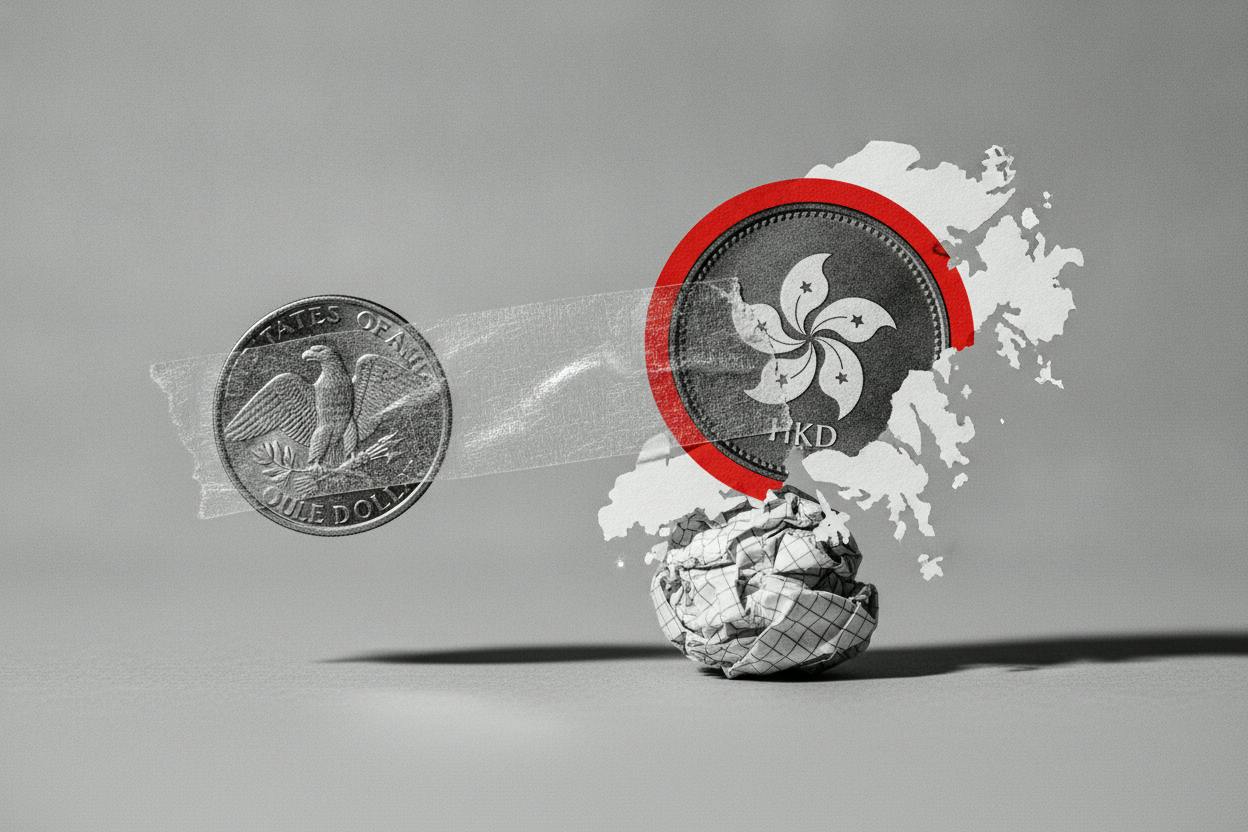
Under Hong Kong's currency peg, the Hong Kong dollar is allowed to trade within a narrow band of 7.75 to 7.85 per US dollar. To maintain that peg, the HKMA must keep local interest rates broadly in line with US rates. When the Fed moves, Hong Kong typically follows—and this time was no different.
Why the peg forces Hong Kong to follow the Fed
The peg is a cornerstone of Hong Kong's financial system, in place since 1983. It means the HKMA cannot set its own monetary policy. Instead, it mirrors the Fed's decisions to prevent capital from flowing out of the city in search of higher yields.
If Hong Kong rates fell too far below US rates, investors could borrow in Hong Kong dollars and invest in US dollars to pocket the difference—a strategy known as a carry trade. That would increase demand for US dollars and push the Hong Kong dollar toward the weak end of its band, forcing the HKMA to intervene by selling US dollars and buying Hong Kong dollars.
The HKMA's statement after the rate hike warned that the wider gap between Hong Kong and US rates could indeed nudge the local currency toward that weak end. That is a signal that the authority stands ready to defend the peg, even if it means draining liquidity from the banking system.
What the rate gap means for the Hong Kong dollar
The gap between Hong Kong and US interest rates has been a recurring theme in recent months. As the Fed has aggressively raised rates to fight inflation, US Treasury yields have climbed. Hong Kong rates, while following, have sometimes lagged because of the city's ample banking liquidity.
That lag creates an incentive for traders to sell Hong Kong dollars and buy US dollars, a bet that the Hong Kong dollar will weaken. The HKMA's warning is a reminder that it will not let the currency break out of its band. In the past, such pressure has led to the HKMA buying Hong Kong dollars to keep the currency within range.
For everyday investors, the immediate effect is on borrowing costs. Hong Kong's base rate influences mortgage rates and other loans in the city. A higher base rate means higher monthly payments for homeowners and businesses, which can cool economic activity.
What it means for investors
For global investors, the key takeaway is that Hong Kong's monetary policy remains firmly tied to the US. As long as the Fed keeps rates elevated, Hong Kong will likely follow, even if that puts strain on its property market and economy.
The carry trade dynamic is worth watching. If the rate gap widens further, the Hong Kong dollar could face repeated pressure, and the HKMA may need to intervene more often. That could tighten liquidity in the city's banking system, pushing interbank rates higher and affecting everything from corporate borrowing to savings rates.
Investors with exposure to Hong Kong assets—whether property, equities, or the currency itself—should be aware that the peg is a double-edged sword. It provides stability, but it also means Hong Kong imports US monetary policy, regardless of its own economic conditions.
The broader context is that central banks around the world are still grappling with inflation. The Fed's latest hike is part of that effort, and Hong Kong's move is a direct consequence. For a deeper look at how rate decisions are rippling through other economies, see our coverage of the Bank of Canada's recent hold and its warning of more hikes to come.
Meanwhile, higher rates are already affecting consumer behavior in the US, as shoppers kept spending in August despite climbing mortgage rates. That resilience may give the Fed room to keep tightening, which would keep pressure on Hong Kong's peg.
For investors, the bottom line is that Hong Kong's rate path is not its own. It will continue to mirror the Fed, and the risk of currency intervention will remain. As always, diversification and a clear understanding of how global rates affect your holdings are essential.