American consumers kept spending in August, defying expectations of a slowdown. Retail sales rose 1.2% last month, according to the latest government data, even as higher mortgage rates made big-ticket purchases like homes more expensive. The report offers a snapshot of a two-speed economy: shoppers are still opening their wallets, but the housing market is feeling the chill.
Broad-based spending
The August retail sales report showed gains across most categories. Gasoline, online retailers, and restaurants all posted solid increases, suggesting households are still willing to pay up for everyday needs and experiences. That breadth is a sign that consumer demand remains resilient, even with borrowing costs at elevated levels.
Investors often focus on the so-called “control group” of retail sales, which strips out volatile categories like autos, gasoline, and building materials. That slice feeds directly into the government’s economic growth calculations. In August, control-group sales jumped 1.4%, a sharp rebound from a 0.4% decline in July. That bounce helps explain why the Atlanta Fed, a regional arm of the US central bank, raised its estimate for third-quarter economic growth.
Housing feels the squeeze
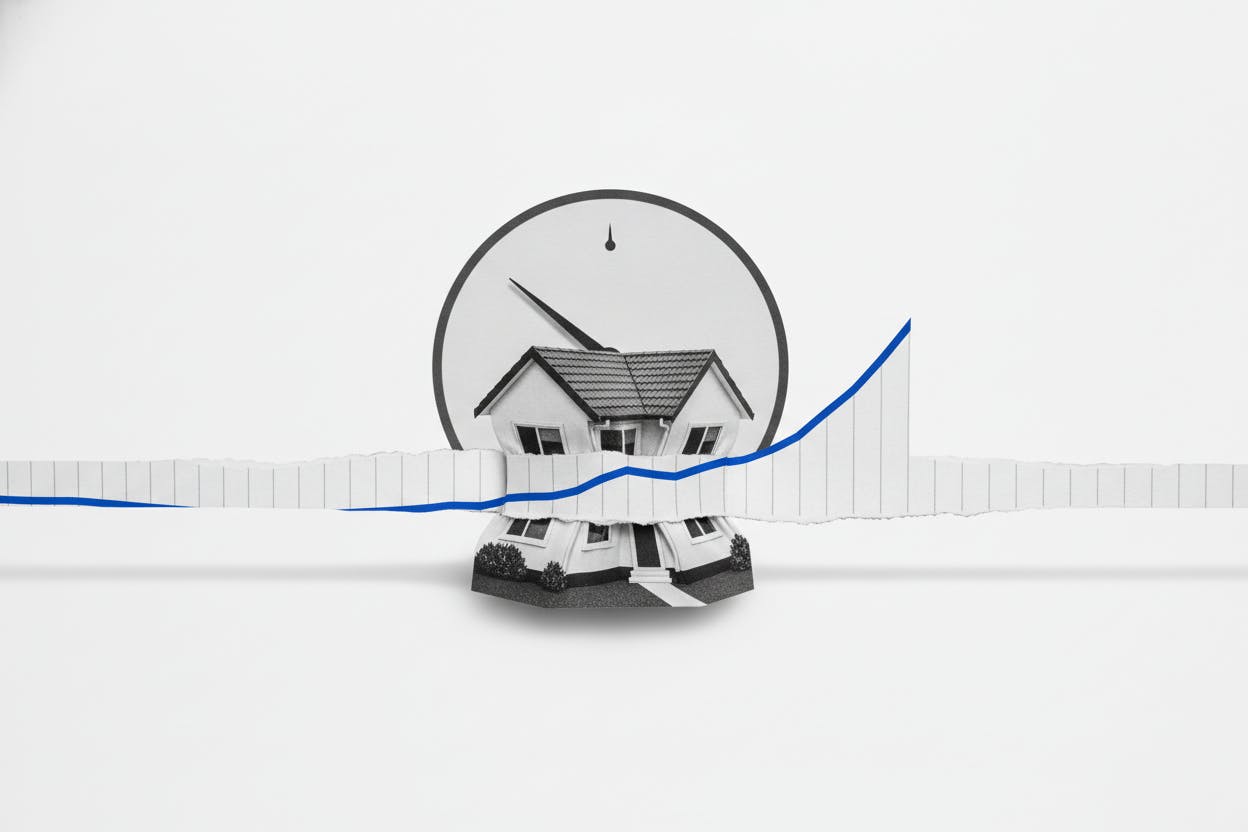
While consumers are spending, the housing market is struggling under the weight of higher mortgage rates. The average 30-year fixed mortgage rate recently hit 6.97%, the highest level since May, according to a separate report. That has cooled refinancing activity and reduced demand for home loans. Mortgage applications have slid as a result.
Homebuilders are feeling the pressure too. September surveys showed homebuilder sentiment slipping again, as higher rates make new homes less affordable for many buyers. This is a familiar pattern: when mortgage rates rise, housing activity tends to cool, and that can ripple through the broader economy.
What it means for investors
For everyday investors, the key takeaway is that the consumer is still holding up, but the housing sector is a weak spot. Strong retail sales suggest that corporate earnings for consumer-facing companies may be better than feared, which could support stock prices in that area. However, the housing slowdown is a reminder that higher rates are biting in interest-rate-sensitive parts of the economy.
The mixed picture also complicates the Federal Reserve’s job. On one hand, robust consumer spending could keep inflation pressures alive, making the Fed cautious about cutting rates. On the other hand, a weakening housing market and slipping homebuilder sentiment argue for lower rates to support growth. Rising oil prices and mortgage rates above 7% add to the uncertainty.
Investors should watch upcoming data on inflation, jobs, and housing for clues about the Fed’s next move. The Atlanta Fed’s upgraded growth estimate is a positive sign, but it’s based on data that could be revised. The August retail sales jump is a strong data point, but one month doesn’t make a trend.
For those with money in homebuilder stocks or real estate investment trusts, the downgrade of Meritage Homes is a cautionary signal. Rising mortgage rates threaten demand, and that could weigh on earnings for companies tied to housing.
Overall, the economy is sending mixed signals. Consumers are spending, but the housing market is cooling. That divergence is likely to keep markets on edge as investors parse every new data point for hints about the future path of interest rates.