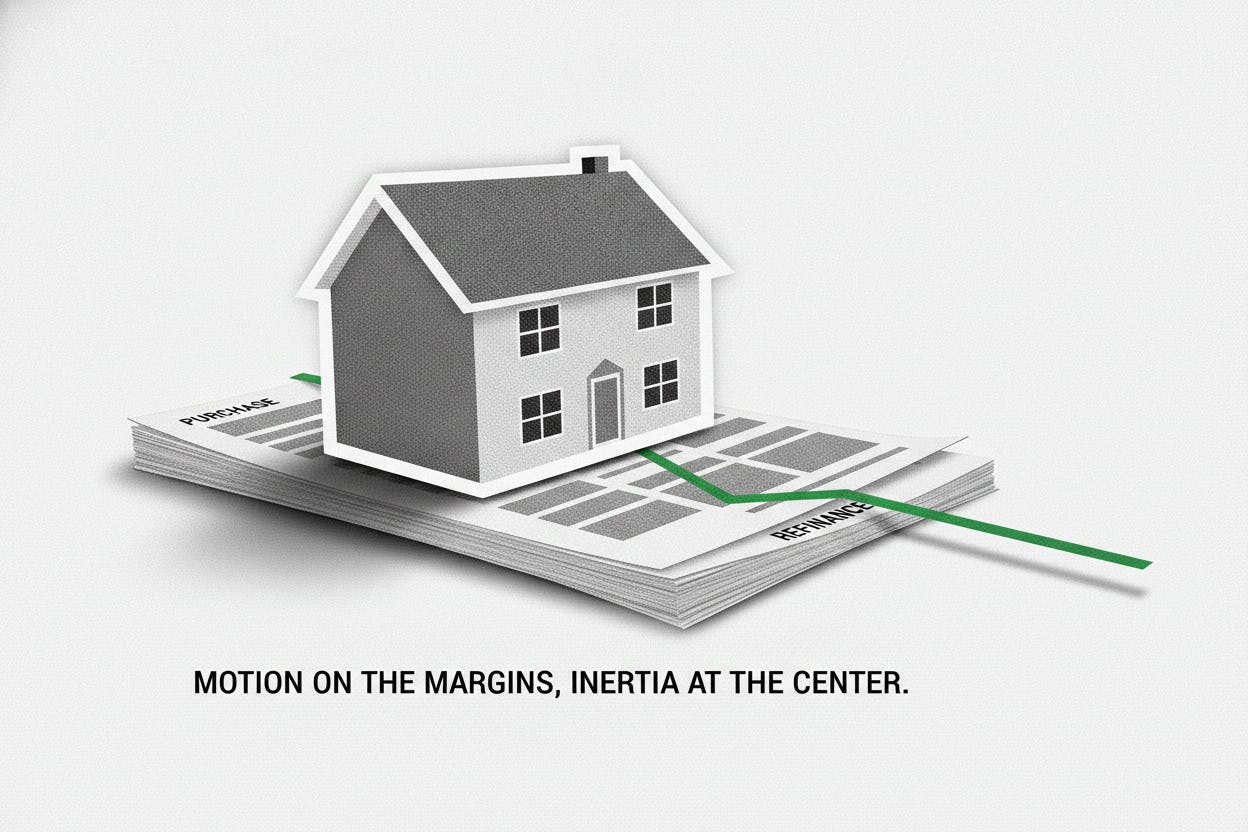
US homebuyers and homeowners looking to refinance are pulling back once more. According to the Mortgage Bankers Association (MBA), mortgage applications fell 4.1% in the week ended September 11, as the average 30-year fixed mortgage rate rose to 6.97% — the highest level since May 2025.
This marks the second consecutive weekly decline in mortgage demand, a sign that higher borrowing costs are cooling activity in the housing market. The rate for conforming loans (those up to $832,750) jumped from 6.85% to 6.97% in just one week.
Why rates are climbing
The MBA attributes the rise in mortgage rates to growing inflation concerns and the possibility of tighter monetary policy. When investors worry about inflation, they tend to sell bonds, pushing bond yields up. Mortgage rates often track the yield on 10-year Treasury bonds, so as yields rise, so do the rates lenders charge on home loans.
This dynamic has been playing out across global markets. Central banks, including the Federal Reserve, have been signaling that they may keep interest rates higher for longer to combat persistent price pressures. That expectation has filtered into the bond market, and mortgage rates have followed.
For context, the recent move echoes patterns seen in other economies. For instance, when oil prices spike and mortgage rates pass 7%, the impact on household budgets can be significant. Similarly, markets are betting on rate hikes from the Fed and the Bank of Japan this week, which could keep upward pressure on yields.
Refinancing takes the biggest hit
Refinance applications dropped 9% week over week, a sharper decline than the overall market. That makes sense: when rates are near 7%, the incentive to refinance an existing mortgage diminishes. Many homeowners who locked in lower rates in recent years have little reason to trade them for a higher one.
Purchase applications also fell, though less steeply. The combination suggests that both first-time buyers and existing homeowners are stepping back, waiting to see if rates stabilize or drop.
What it means for investors
For everyday investors, the rise in mortgage rates has ripple effects beyond the housing market. Higher rates can slow home price appreciation, which affects real estate investment trusts (REITs) and homebuilder stocks. Companies in the housing sector often see their earnings pressured when borrowing costs climb, as fewer people can afford to buy.
It also affects consumer spending more broadly. When more of a household's income goes toward mortgage payments, there is less left for other purchases. That can weigh on retail and discretionary sectors.
On the flip side, banks and lenders may see mixed results: higher rates can boost net interest margins, but lower loan volumes can offset that benefit. As seen in other markets, banks sometimes pass on rate hikes to borrowers faster than to savers, which can be a point of contention.
Investors should also watch how this affects the broader economy. If mortgage rates stay elevated, it could cool the housing market further, which has been a key driver of economic growth. That could influence the Fed's next moves.
What to watch next
The key question is whether rates will keep climbing or level off. Much depends on upcoming inflation data and central bank signals. If inflation proves sticky, rates could push higher, further dampening housing demand. If inflation cools, rates might ease, giving borrowers some relief.
For now, the message is clear: higher borrowing costs are putting a damper on mortgage demand, and that trend could continue until there's a meaningful shift in the rate outlook.