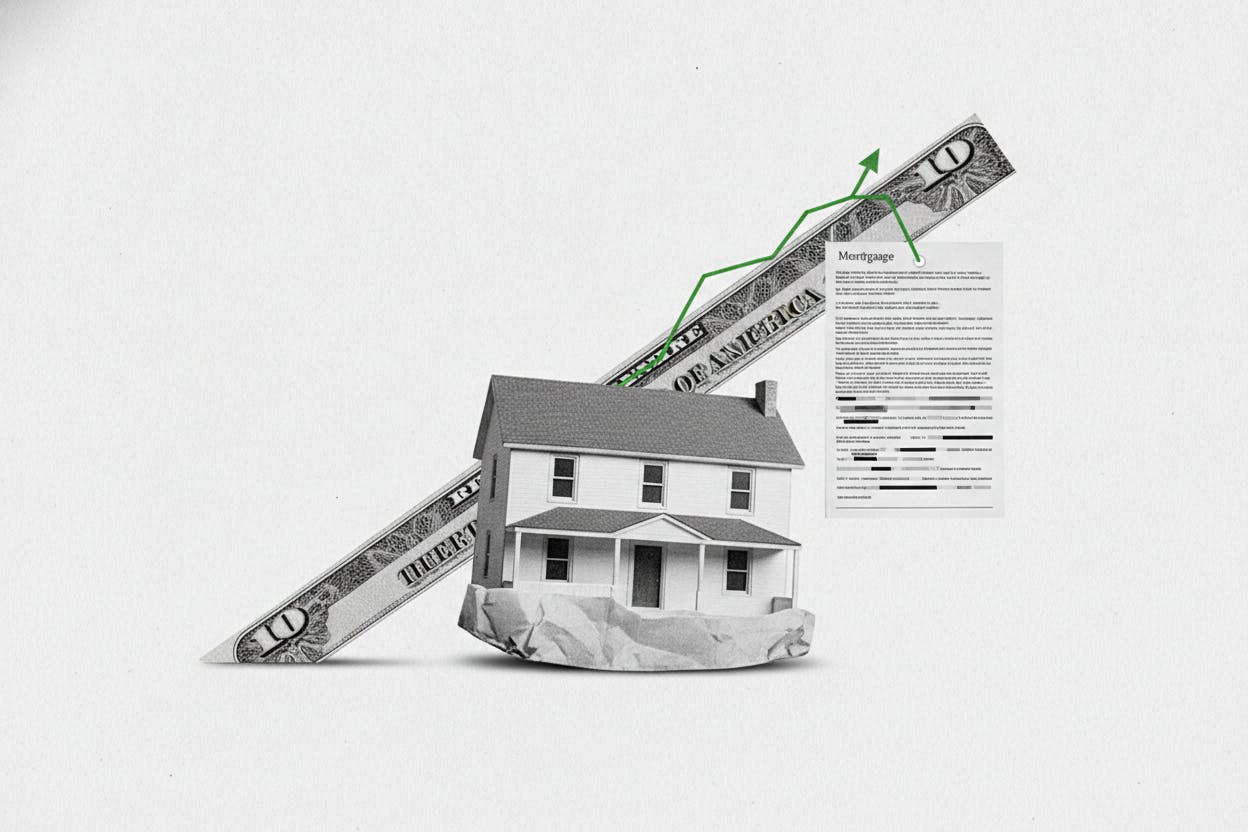
The cost of borrowing for a home just hit its highest level in more than a year. According to the Mortgage Bankers Association (MBA), the average rate on a 30-year fixed mortgage rose to 6.85% in the week ended September 4th. That's a 14-month high, and it's already starting to cool demand for home loans.
The increase — six basis points from the prior week — was driven by a climb in Treasury yields. Many mortgages are priced off longer-term government borrowing costs, especially the 10-year Treasury note. When those yields rise, lenders typically pass the higher cost on to borrowers.
What the data shows
The MBA's weekly survey, which tracks mortgage applications from lenders across the country, showed total mortgage applications fell 2.7% from the previous week. Refinancing activity took an even bigger hit, sliding 6.2%.
That makes sense: when rates go up, the monthly payment on a new loan gets more expensive, and the incentive to refinance an existing mortgage shrinks. For many homeowners, the rate they already have is lower than what they could get today, so there's little reason to switch.
The 6.85% average is a stark reminder that the era of ultra-cheap mortgages — the sub-3% rates seen during the pandemic — is firmly in the rearview mirror. Even compared with a year ago, today's rates are significantly higher, and that's reshaping the housing market.
Why Treasury yields matter
Mortgage rates don't move in lockstep with the Federal Reserve's short-term interest rate. Instead, they tend to track the 10-year Treasury yield, which reflects what investors expect for inflation and economic growth over the next decade. When those expectations shift, mortgage rates move too.
Recently, Treasury yields have been climbing. That's partly because investors are weighing the possibility that the Fed might hold rates steady for longer than previously expected. Some market watchers, including bond investor Jeffrey Gundlach, have warned that a Fed pause could push long-term yields even higher. That dynamic is worth watching for anyone considering a home purchase or refinance.
The rise in yields isn't just a US story. Higher global borrowing costs are rippling through other markets as well. For example, gold prices have slipped as oil-driven inflation fears keep the Fed from cutting rates, and Gundlach's warning about a Fed pause has added to the pressure on long-term bonds.
What it means for homebuyers and homeowners
For anyone in the market for a home, a higher mortgage rate means a higher monthly payment. On a $300,000 loan, the difference between a 6.5% rate and a 6.85% rate is roughly $60 a month — not huge, but it adds up over the life of a loan. For buyers who are already stretched, that extra cost can push a home out of reach.
For current homeowners, the drop in refinancing activity is a sign that the window for locking in a lower rate has largely closed. If you already have a mortgage at a lower rate, there's little financial incentive to refinance now.
The cooling in mortgage applications could also have a broader effect on the housing market. Fewer buyers means less competition for homes, which could slow price growth in some areas. That's a potential silver lining for buyers who can afford to wait.
What to watch next
The path of mortgage rates will depend heavily on what happens with Treasury yields. If yields keep climbing, mortgage rates could go higher still. If they ease — perhaps on signs that inflation is cooling or the Fed signals a willingness to cut rates — mortgage rates could pull back.
Investors and homebuyers alike should keep an eye on upcoming economic data, especially inflation reports and Fed commentary. The Czech central bank's recent signal that it can hold rates steady is a reminder that central banks around the world are in a similar bind, balancing inflation against growth.
For now, the message from the MBA data is clear: borrowing costs are rising, and that's taking some of the heat out of the housing market. Whether that's a temporary blip or the start of a longer trend will depend on the broader economic picture.